The Impact of Lake-Effect Snow on Ohio’s Highways 
Ohio is no stranger to lake-effect snow, particularly in the fall and winter months when cold air from Lake Erie meets warmer air over the land. This interaction often leads to sudden and intense snow showers that can dramatically reduce visibility and road traction. On highways such as I-90 and I-480, which are major arteries for traffic in and out of Cleveland, these conditions can quickly lead to accidents if drivers aren’t prepared.
Lake-effect snowstorms are unpredictable and severe, and drivers can easily find themselves caught off guard by a sudden whiteout or icy road conditions. This type of weather has been responsible for a number of high-impact accidents in Ohio, with I-90 and I-480 being particularly vulnerable due to their exposure to the lakefront. In some cases, the snow accumulation and sudden temperature drops make driving conditions dangerously hazardous, increasing the likelihood of crashes.
In the case of the pileup on I-90 and I-480, the sheer number of vehicles involved compounded the situation. Several cars were unable to stop in time due to the slippery roads, while others tried to avoid collisions but were struck by other drivers who lost control. In these situations, determining who is at fault can be difficult, especially when weather conditions played a significant role in the accident. Let’s dive into how the law handles multi-vehicle accidents in the context of Ohio’s winter weather challenges.
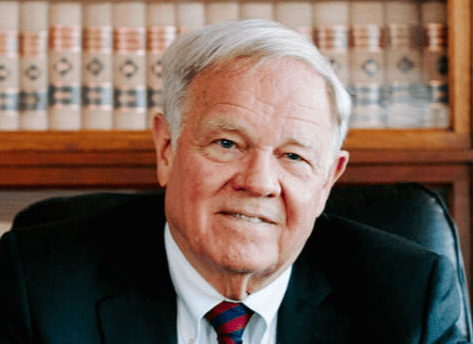
Dan Ryan
Attorney

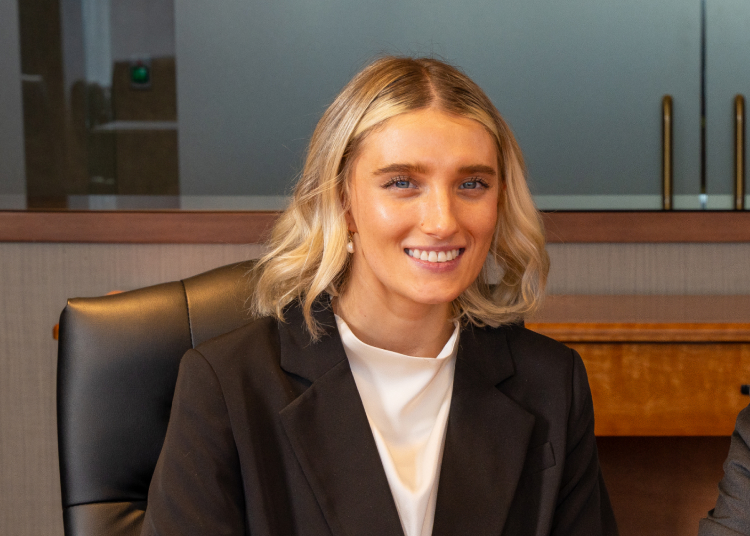
Elizabeth Fitzgerald
Attorney
Our objectives remain clear in every case we pursue: To give every client, without delay, excuse or equivocation, our full attention, sound advice and forceful representation.
About Our FirmOhio’s Comparative Fault System: Understanding Responsibility
Ohio follows a comparative fault system, which means that in the event of an accident, fault can be shared among all parties involved based on their degree of negligence. This is particularly relevant when weather conditions are a contributing factor. Each driver’s actions, including their speed, distance from other vehicles, and attention to road conditions, will be evaluated to determine who is responsible for the crash. For example, if a driver was speeding during a snowstorm, that driver may bear a larger share of the blame than a driver who was traveling at a safe, albeit still cautious, speed. However, if another vehicle caused the crash by swerving into the path of the speeding vehicle, both drivers may be found partially responsible. In the case of weather-related accidents, fault determination becomes more nuanced. If a driver was not adequately prepared for the conditions—such as not having snow tires or failing to clear their windows of snow—this could contribute to their liability. Alternatively, if road maintenance was lacking and the roads were left untreated, there may be questions about whether public authorities should bear some responsibility for the accident. Ohio’s comparative fault law allows for the assessment of fault in increments. This means that if multiple parties share responsibility, their individual levels of fault will be considered. For instance, one driver might be found 60% at fault, while another could be responsible for 30%, and so on. This system ensures that no one party is unfairly penalized in cases where multiple factors contribute to an accident.Weather-Related Factors and Their Role in Multi-Vehicle Pileups
Weather is a critical factor in determining fault during winter accidents, particularly in a multi-vehicle pileup scenario. The first and most important question is whether the weather played a substantial role in the accident. If the snowstorm was so severe that it rendered the roads unsafe for driving, then the question becomes whether the involved drivers took reasonable precautions. Drivers have a responsibility to drive according to the conditions. For example, while driving 65 miles per hour may be acceptable on a clear, dry day, it is entirely inappropriate when snow is falling heavily or when visibility is reduced to a few feet. In these cases, the law expects drivers to adjust their speed, maintain a safe following distance, and be prepared for potential hazards such as black ice or snow drifts.
The attorneys at Ryan Injury Lawyers treat you like family. They are extremely professional, kind, respectful and intelligently know the law. Highly recommend. They are well above par.
- Zora S.

Great service and very professional. They actually make themselves available when you call. I will be referring Ryan to all of my friends and colleagues.
- Lashawn H.
Evaluating Driver Actions and the Duty of Care
When evaluating a multi-vehicle accident, especially one involving weather conditions, each driver’s actions must be scrutinized to determine whether they acted negligently. The principle of duty of care is central to how fault is determined in Ohio. A driver has a legal obligation to operate their vehicle in a manner that does not endanger others on the road. When winter weather creates hazardous conditions, this duty of care becomes even more critical. For example, a driver may be found at fault if they were tailgating another vehicle in poor weather conditions, failing to adjust their speed to account for reduced traction on icy or snowy roads. Similarly, a driver who failed to clear snow and ice from their windshield or roof, leading to reduced visibility or ice falling off and striking another vehicle, may be partially responsible for the accident. In the case of a multi-vehicle pileup, the responsibility is shared among all drivers who were involved, with each action being examined to determine whether it contributed to the accident. For instance, if a driver was in the process of avoiding a crash and swerved to the shoulder, but another car collided with them, it would need to be determined whether that driver took appropriate action to avoid a collision or whether they made the situation worse by losing control.Road Conditions and Maintenance: Who Is Responsible?
Another factor that complicates the determination of fault in weather-related accidents is the condition of the roads themselves. In Ohio, local authorities and the state are responsible for maintaining roadways and ensuring they are safe for driving, especially during adverse weather conditions. If a road has not been properly salted or plowed during a snowstorm, and this failure contributed to an accident, the responsible government entities may share in the liability for the crash. When accidents occur on roads that are poorly maintained or not treated for snow and ice, the injured parties may seek compensation from the public agencies responsible for road maintenance. However, this type of claim can be difficult to pursue, as government entities often have immunity from certain types of lawsuits. It is important to note that for these claims to be successful, there must be clear evidence that the road conditions directly contributed to the crash. In some cases, state or local governments may be required to defend their actions in court, demonstrating that they took all reasonable steps to treat the roads before and during the snowstorm. If they can show that they followed proper protocols, they may not be held liable, even if the snowstorm contributed to the accident. Conversely, if it is found that the maintenance was insufficient or delayed, the government entity could be held partially responsible for the crash.The Importance of Insurance and Legal Representation
In the aftermath of a multi-vehicle crash, sorting out fault can take time, and insurance claims can become complicated. Ohio requires drivers to carry liability insurance, which helps cover the costs of injuries and property damage in the event of a crash. However, when weather-related factors are involved, insurers may need to conduct a more thorough investigation to assess fault. In these cases, it is crucial for all parties involved to document the scene of the accident, including photographs, witness statements, and details about the weather conditions at the time. For those involved in a multi-vehicle pileup, it is essential to have legal representation. An experienced personal injury attorney can help navigate the complexities of Ohio’s comparative fault system and ensure that clients are not unfairly assigned a disproportionate amount of blame. Attorneys can also assist in gathering the necessary evidence to prove that the weather was a significant contributing factor to the crash, which can be pivotal in securing fair compensation.When multiple parties are involved, determining who is responsible and to what extent can be a lengthy process. Legal professionals can help by advocating on behalf of their clients, working with insurance adjusters, and representing their interests in court if necessary. Winter driving in Ohio, particularly during lake-effect snowstorms, presents unique challenges. While it may not always be possible to avoid accidents during inclement weather, drivers must take all reasonable precautions to reduce their risk. The consequences of failing to do so can be severe, especially when multiple vehicles are involved. Ohio’s comparative fault system provides a fair way to assess liability when weather conditions play a role in an accident, but it requires careful analysis of each driver’s actions. When involved in a multi-vehicle crash, it is crucial to consult with an experienced attorney who can help sort out the details of the accident and ensure that fault is assigned fairly. With the right approach, those affected by these accidents can seek the compensation they deserve, even in complex winter weather conditions. If you or a loved one has been involved in a winter weather accident on Ohio’s highways, don’t navigate the complexities of fault determination alone. Contact Ryan Injury Attorneys today for a free consultation. Our experienced legal team is here to help you understand your rights and ensure you receive the compensation you deserve.