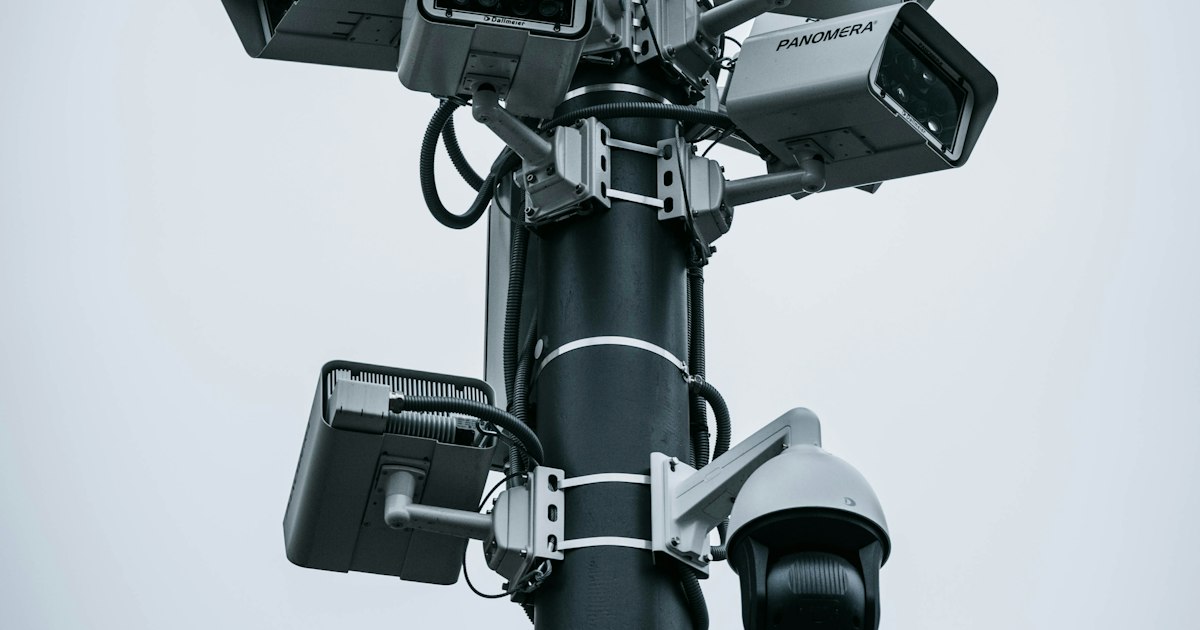

Property owners across Cleveland increasingly rely on artificial intelligence to keep people safe. Apartment complexes, parking garages, shopping centers, hotels, and office buildings now use cameras with automated analytics, AI weapons-detection systems, smart access control, and remote video monitoring in place of the security guards and simple locks of the past. Marketed as smarter and more reliable than human staff, these systems are supposed to prevent crime before it happens. When they fail, and a resident, guest, or customer is assaulted, robbed, or worse, the harm is exactly what the technology was sold to prevent.
Ohio law has long held property owners accountable when inadequate security allows a foreseeable crime to injure someone lawfully on the property. That body of law, called negligent security, applies fully to the age of AI, and it now reaches the companies that make these systems too. This guide explains how AI security failures lead to injuries, who can be held responsible, and how Ohio law protects victims. It is part of our larger resource on AI injury claims under Ohio law.
What Negligent Security Means in Ohio
Negligent security is a form of premises liability. In Ohio, a business or property owner owes people who are lawfully on the property, its invitees, a duty of ordinary and reasonable care to keep the premises reasonably safe. When crime in or around a property is foreseeable, that duty can include taking reasonable security measures, such as working locks, adequate lighting, functioning cameras, and, in some settings, guards. If an owner fails to provide reasonable security and a foreseeable criminal act injures someone, the owner can be liable for the resulting harm, even though a third party committed the crime.
The key word is foreseeable. Ohio courts look closely at whether the owner knew or should have known that criminal activity was likely, often based on prior crimes at or near the location. A property with a history of assaults, break-ins, or armed robberies cannot pretend the risk was a surprise.
How AI Is Changing Property Security
The tools owners use have changed dramatically. Cameras no longer just record; many now run video analytics that claim to detect loitering, trespassing, fights, or weapons in real time. AI weapons-detection systems promise to spot a firearm at an entrance. Smart access-control systems manage who gets into a building. Remote guarding services replace on-site officers with operators watching AI-flagged feeds from a distant control room. License-plate readers and facial-recognition tools track who comes and goes.
Each of these can genuinely improve safety. The problem is that they are often sold, and bought, as a complete replacement for human vigilance, and their real-world reliability rarely matches the sales pitch.
When an AI Security System Fails
These systems fail in ways that directly endanger people. A weapons-detection tool misses a firearm, or floods staff with false alarms until they stop responding. A camera's analytics fail to flag an assault in progress, or the system is down and no one notices. Alerts are generated but ignored because a distant operator is watching too many screens. Access control malfunctions and lets an intruder in, or a system that was installed and then never maintained quietly stops working. Worst of all, an owner who bought an AI system may cut the human guards and lighting that actually deterred crime, trusting technology that cannot make an arrest or physically intervene.
When a property owner substitutes an unreliable automated system for real security and a foreseeable crime follows, that decision can be the heart of a negligent security claim.
Two Layers of Responsibility: Owner and Technology Vendor
AI security failures can create responsibility on two levels. The property owner or manager may be liable under negligent security for failing to provide reasonable protection, including for over-relying on a system they knew or should have known was unreliable. Separately, the company that made or monitored the security technology may be liable if the product was defective, was marketed with false promises about its capabilities, or was negligently monitored. The elements a negligent security claim must establish are shown below.
Proving Foreseeability
Foreseeability is where these cases are won. We gather the property's history of prior crimes, police call records for the location and the surrounding area, and any complaints residents or customers made about safety. We look at what the owner knew, what security they promised in leases or signage, and what they actually delivered. When a landlord advertises a secure building with monitored cameras and controlled access, then lets those systems fail, the gap between the promise and the reality can be powerful evidence. Our team approaches these cases the way we approach any serious injury claim, by building the factual record early.
Where These Cases Arise in Greater Cleveland
Negligent security injuries follow a familiar map. They happen in apartment complexes where broken gates and dead cameras go unrepaired, in parking garages and lots that are poorly lit and unmonitored, outside bars and entertainment venues, in hotels and motels, on retail and mall properties, and at office and mixed-use buildings. In each setting, the presence of an AI security system can create a false sense of protection for the very people it was supposed to defend. A camera that no one is watching does not stop an attack.
The Danger of Replacing Guards With Algorithms
One theme runs through many of these cases: technology used as a substitute for, rather than a supplement to, real security. Software can watch and record, but it cannot walk a patrol, respond to a scream, or physically intervene. When an owner removes human security to cut costs and leans on an AI system that cannot do what a guard does, and a foreseeable crime results, that tradeoff can amount to negligence. Reasonable care is measured by what actually keeps people safe, not by what looks modern in a brochure.
Deadlines and Damages Under Ohio Law
Most negligent security claims are personal injury claims subject to a two-year deadline under R.C. § 2305.10, though evidence should be preserved long before then. If an inadequate-security failure leads to a death, the family may bring a wrongful death claim under R.C. § 2125.02 within two years of the death. Victims may recover economic damages like medical bills and lost income and noneconomic damages like pain, suffering, and trauma, subject to Ohio's caps under R.C. § 2315.18 and their exceptions for catastrophic injury. A defective-product or false-marketing claim against a technology vendor may add another path to recovery.
Common Types of Negligent Security Injuries
The crimes behind these claims are serious. They include physical assaults and beatings in apartment stairwells and parking areas, armed robberies at retail and hospitality properties, shootings at venues with a known history of violence, and sexual assaults in buildings where broken locks or failed access control let an attacker in. The victims are residents, tenants, hotel guests, shoppers, students, and workers, ordinary people who had every reason to expect the property they entered was reasonably safe. When an AI security system was in place but did nothing to stop a foreseeable attack, the injured person is left asking why the technology they were told would protect them failed at the one moment that counted.
What Reasonable AI Security Looks Like
AI security is not the problem; over-reliance on it is. Used responsibly, these tools supplement rather than replace real protection. That means systems that are properly installed, maintained, and tested, alerts that are monitored by people who can actually respond, coverage matched to the property's known risks, and human security kept in place where the danger calls for it. A reasonable owner treats technology as one layer of a safety plan, not the whole plan. When an owner does the opposite, buying a system to check a box and then ignoring it, the law can hold them accountable for the consequences.
Why These Cases Are Worth Pursuing
Beyond compensation for the victim, these cases push property owners to fix dangerous conditions before someone else is harmed. Recovery can address the lifelong physical, emotional, and financial toll of a violent crime, and the process often forces an owner to repair the gates, restore the lighting, maintain the cameras, or bring back the guards that should have been there all along. Accountability and safety go hand in hand.
What to Do If You Were Hurt Where AI Security Failed
Get medical care and report the crime to police, which creates an official record. Keep any lease, security promises, or signage that described the property's protections. Note whether cameras, gates, lighting, or access systems were broken, dark, or clearly unmonitored, and photograph them if you safely can. Do not assume the property owner will preserve the footage; it is often overwritten within days, so a prompt legal demand to preserve it is critical. Then speak with a lawyer quickly, because both the evidence and the filing deadlines are working against you.
Frequently Asked Questions
Can a property owner be liable if an AI security system failed and I was attacked?
What is negligent security under Ohio law?
Can I sue the company that made or monitored the security system?
How do you prove a negligent security case?
How long do I have to file a negligent security claim in Ohio?
How much does it cost to hire Ryan Injury Attorneys for a negligent security case?
Talk With a Cleveland Negligent Security Lawyer
If you or someone you love was hurt by a crime that a property's security should have prevented, you deserve answers about what failed and why. Trial attorney Elizabeth FitzGerald and the team at Ryan Injury Attorneys move quickly to preserve footage and records before they vanish. Call (216) 777-RYAN for a free, confidential consultation, or contact us online. There is no fee unless we recover for you.