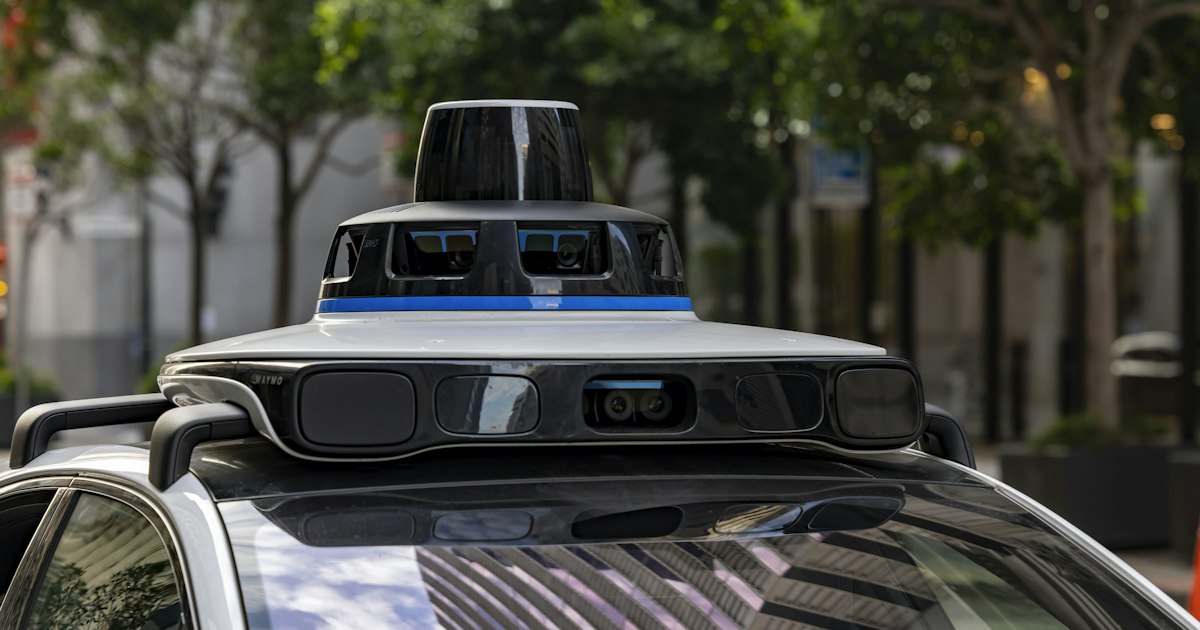

Driverless cars are no longer a distant idea in Ohio. In early November 2026, a bill at the Statehouse proposed the first statewide rules for autonomous vehicles, and the state’s DriveOhio program is already testing self-driving technology, including driverless semi trucks. At the same time, federal regulators have opened a review of the driver assistance software in roughly 2.9 million Tesla vehicles after reports of crashes and cars running red lights. As these systems spread onto Interstate 90, the Shoreway, and neighborhood streets across Cuyahoga County, a hard question follows close behind. When software, not a person, makes the decision that injures someone, who is responsible?
At Ryan Injury Attorneys, we help people in Cleveland and across Ohio answer that question. The technology is new, but the core of Ohio injury law still applies: when a defective product or a careless choice harms you, the law gives you a path to hold the responsible party accountable. This article explains who can be liable for an AI caused injury in Ohio, how a new state bill may change things, and what you should do to protect your rights.
A New Ohio Bill Signals That Driverless Cars Are Coming
State Representative Adam Holmes introduced House Bill 1034 to create a framework for autonomous vehicles in Ohio before the technology becomes widespread. Holmes described it as a preparation type of bill, saying the goal is to establish rules and protections so that the state is ready as demand grows. He also acknowledged a concern that matters a great deal here in northeast Ohio: there is not much data yet on how these vehicles perform in Ohio snow and rain. A lake effect squall on I-71 or black ice on a Cleveland bridge is exactly the kind of condition an automated system has rarely been proven against.
The bill has only been introduced, and no votes have been taken. That means it does not control any claim today. But it signals where Ohio is heading, and it highlights the real safety and liability questions that injured people already face when an automated system is involved.
When Software Causes the Crash, Who Is Responsible Under Ohio Law?
AI injury cases usually do not fit a single box. Liability can turn on how a product was designed, how a company operated it, or how a human was supposed to supervise it. Ohio law gives us several theories, and often more than one applies at the same time.
Product liability under the Ohio Product Liability Act
Ohio’s Product Liability Act, found at R.C. 2307.71 and following, allows claims against manufacturers and suppliers for products that are unreasonably dangerous. A self-driving system can be defective in its design under R.C. 2307.75, for example if the software fails to recognize a pedestrian in a crosswalk or misreads a stopped vehicle. It can also be defective because of inadequate warnings or instructions under R.C. 2307.76, such as overstating what a driver assistance feature can safely do. These claims focus on the product itself rather than on a single driver’s split second choice.
Ordinary negligence
Negligence law still reaches the people and companies behind the technology. A developer that rushed testing, a fleet operator that deployed a vehicle it knew struggled in winter weather, or a safety driver who ignored the road can all be negligent. The question is whether they failed to use reasonable care and whether that failure caused the harm. Because liability in this emerging area turns heavily on the specific facts, no outcome should be assumed in advance.
Medical malpractice when the AI is a clinical tool
AI is not only on the road. Hospitals and clinics increasingly use AI tools to help read scans, flag risks, and triage patients. When a clinical AI tool contributes to a missed diagnosis or a treatment error, the case may be governed by Ohio medical malpractice law, which carries its own shorter deadline under R.C. 2305.113 and an affidavit of merit requirement. The tool does not replace the duty of care that providers owe their patients.
What House Bill 1034 Would Require
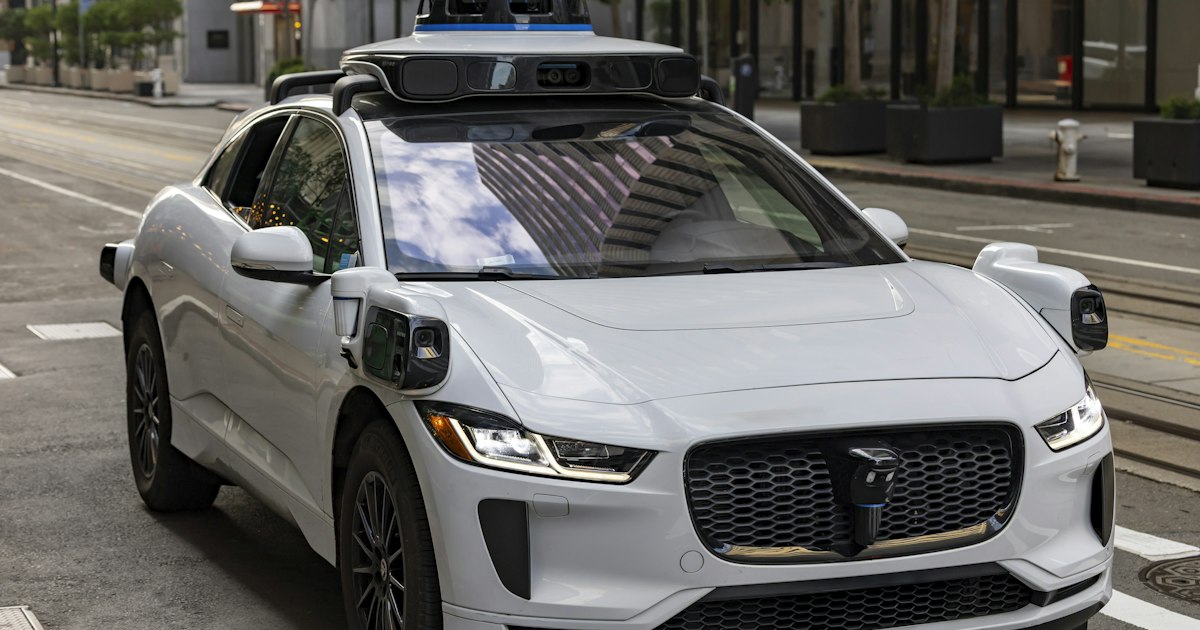
As drafted, House Bill 1034 would make two changes that matter directly to crash victims. First, the owner of a driverless car would be responsible for traffic violations when no human is driving, which begins to answer the basic question of accountability when there is no person at the wheel. Second, ride companies would have to carry at least one million dollars in insurance while they are carrying passengers. Meaningful insurance is often the difference between a paper victory and a recovery that actually pays for medical bills, lost income, and long term care.
Until a bill like this becomes law, injured people rely on existing product liability, negligence, and insurance principles applied carefully to the technical facts of each crash.
Steps to Take After an AI or Self-Driving Crash in Cleveland
What you do in the first hours and days can shape the entire case. The timeline below outlines the key moments, from the scene itself through the deadlines Ohio law imposes.
In plain terms: get medical care and call the police, photograph everything at the scene, and write down the make and model of any automated vehicle and the company operating it. Then move quickly to preserve the digital evidence, because the data that proves what the system saw and did can be overwritten within days.
Ohio’s Deadlines Can Be Shorter Than You Think
Most personal injury claims in Ohio must be filed within two years of the injury under R.C. 2305.10, and wrongful death claims generally within two years of the death under R.C. 2125.02. If an AI tool used in your medical care caused harm, the one year medical claim limit in R.C. 2305.113 may apply instead, which is a trap for anyone who assumes they have the usual two years. Deadlines can also shift depending on who is at fault, including whether a government entity is involved. The safest course is to have a lawyer confirm your deadline early.
Why These Cases Demand Fast Evidence Preservation
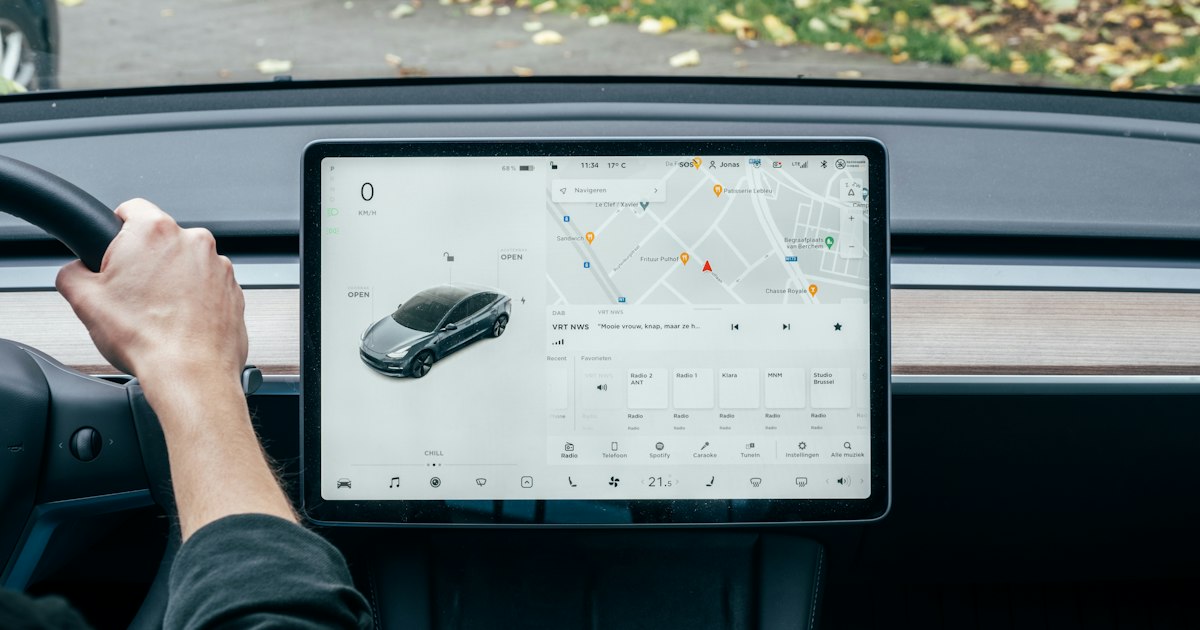
A self-driving crash case often rises or falls on the vehicle’s own records. The event data recorder, the camera and lidar feeds, the exact software version in use, and the logs of what the system detected and decided can show whether the technology failed. Manufacturers and operators control that data, and it can be lost through routine overwriting or software updates. A prompt, written demand to preserve this evidence, sent before it disappears, is one of the most important things a lawyer can do.
These crashes also tend to cause serious harm. A vehicle that misjudges a stop can strike at full speed, leading to traumatic brain injuries and other catastrophic results. Whether your injury came from a driverless car, a driver assistance feature, or an automated semi truck, the same priorities apply. Our team handles car accident claims and truck accident claims across the Cleveland area, and we bring that same focus to the newest technology on the road. You can learn more about our lead trial advocate, Thomas P. Ryan, or reach the firm directly.
Frequently Asked Questions
Who is liable if a self-driving car causes a crash in Ohio?
Does Ohio product liability law apply to AI and software?
How long do I have to file an AI injury claim in Ohio?
What evidence matters most in a self-driving crash case?
Can I still recover if I was partly at fault?
What does Ohio House Bill 1034 mean for crash victims?
Talk With a Cleveland Injury Lawyer About Your AI or Self-Driving Crash
If an automated vehicle or an AI system caused your injury, the facts can be technical and the deadlines are short. Ryan Injury Attorneys investigates how the system failed, preserves the data that proves it, and holds the right parties accountable. Your consultation is free, and you owe nothing unless we recover for you.
Call (216) 777-RYAN today, or request your free consultation.