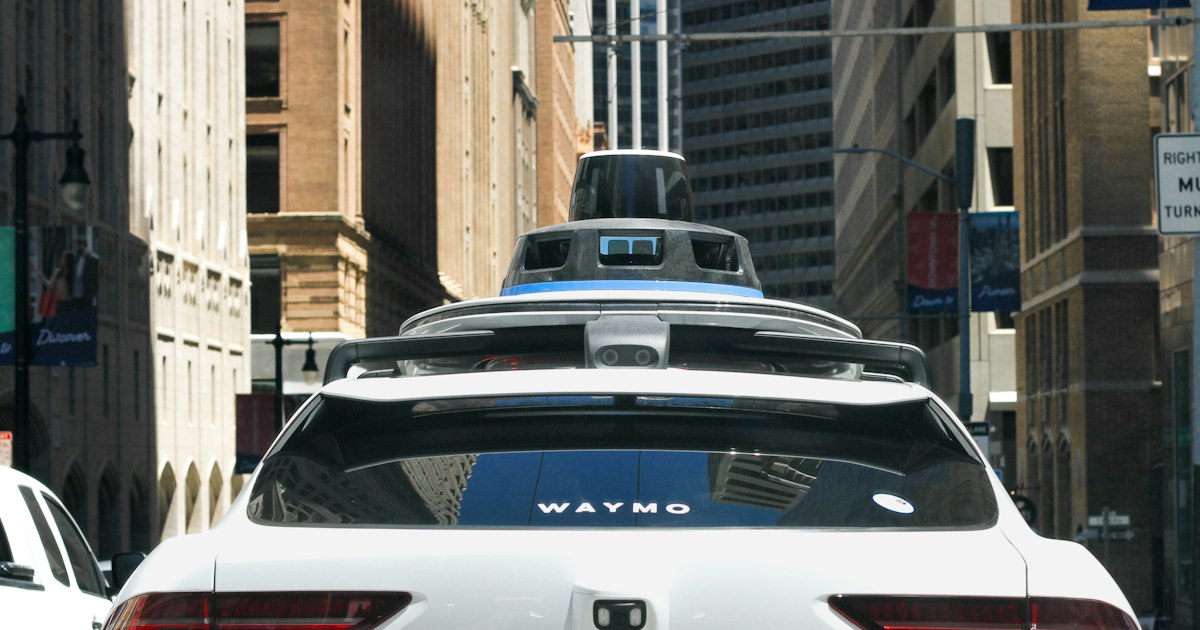

For years, a car steering itself through Cleveland traffic felt like a distant future. In 2026 it is a present reality, and so are the crashes that come with it. Federal regulators spent much of this year scrutinizing automated driving systems after clusters of collisions. The National Highway Traffic Safety Administration investigated one major rideshare company robotaxi partner after roughly sixteen crashes in about four months, calling the system too assertive and not capable enough. Automated vehicle incidents logged in testing cities have climbed into the hundreds.
Ohio is not watching from the sidelines. Driver-assistance features, automated delivery vehicles, and ride-hailing fleets already move along roads from Interstate 90 to Public Square. When one of these systems fails and a person is hurt, the legal questions are harder than in an ordinary fender bender, but the core promise of Ohio injury law holds firm: a company that puts a dangerous product or service on the road can be held responsible for the harm it causes.
Robotaxi and Self-Driving Car Crashes Are No Longer Hypothetical
The headlines of 2026 made one thing clear: automated vehicles are no longer confined to a closed test track. Regulators reviewed hundreds of crash reports involving self-driving and driver-assistance systems, and several operators drew formal federal investigations. In at least one, safety officials found that an automated system behaved aggressively while lacking the judgment to handle real traffic. These developments matter to Ohioans because the same vehicles and software are reaching local roads, where a delivery robot on a sidewalk or a car braking itself on the Shoreway can cause serious harm when the technology misreads a situation.
What Counts as an AI-Caused Injury in Ohio
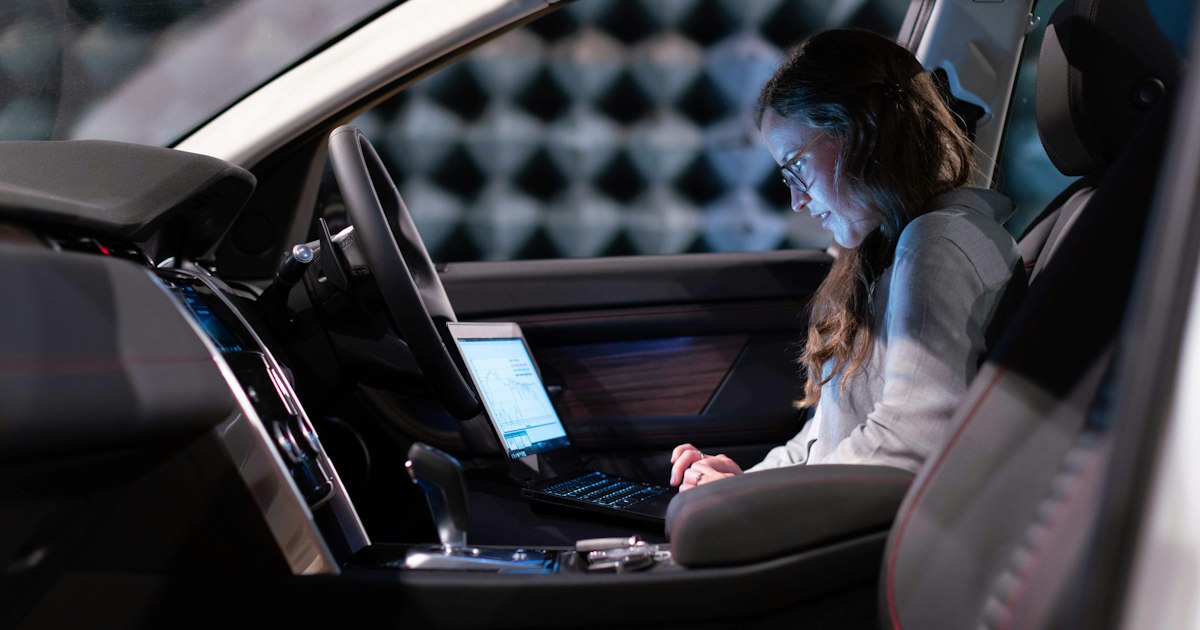
An AI-caused injury is any harm that flows from an automated system making, or failing to make, a decision a careful human or a properly designed system would have handled safely. Robotaxis operate with little human input and can cause Cleveland car accident injuries when the software fails. Driver-assistance systems, such as automatic emergency braking, lane keeping, and adaptive cruise control, can brake unexpectedly, steer the wrong way, or miss a hazard. Artificial intelligence also reaches beyond the road, into medical tools and consumer products. What ties these cases together is that a machine was trusted with a safety decision, and when that trust is misplaced, Ohio law gives the injured person a path to hold the responsible companies accountable.
Who Can Be Held Responsible When an AI System Causes Harm
One of the hardest parts of an AI injury case is figuring out who is actually at fault, because the answer is rarely a single person. Depending on what failed, responsible parties can include the vehicle manufacturer, the developer that wrote the driving software, a camera, radar, or sensor maker, the fleet or rideshare operator, a remote or in-car safety driver, and any other careless driver. Ohio law does not force you to choose one target; you can pursue every party whose negligence or defective product helped cause the harm. Because corporate defendants often blame one another, early investigation is what separates a strong claim from a weak one.
How Ohio Product Liability Law Applies to Defective AI Systems
Ohio has a detailed Product Liability Act at R.C. 2307.71 and the sections that follow, which lets an injured person recover when a defective product causes harm. It covers a manufacturing defect, when a product leaves the factory different from its design (R.C. 2307.74); a design defect, when a design's foreseeable risks outweigh its benefits (R.C. 2307.75); an inadequate warning about known limits of the technology (R.C. 2307.76); and a product that does not live up to the maker's representations (R.C. 2307.77), which matters when automated features are marketed as safer than they are.
Applying these rules to software and artificial intelligence is still developing, and courts are working through how code fits the traditional idea of a product. No one should overstate how settled these questions are, but Ohio already has the tools to examine whether an automated system was unreasonably dangerous.
When Artificial Intelligence Causes Medical Harm
Artificial intelligence is not only on the road. Hospitals across the Cleveland area increasingly use AI tools to help read images, flag results, and sort patients by urgency. When one contributes to a missed diagnosis or a delayed treatment, the harm can be severe, including a traumatic brain injury or, in the worst cases, a wrongful death a family never saw coming. These situations can involve two overlapping claims: medical malpractice against the providers who relied on the tool, and a product claim against the company that built it. Medical claims are governed by R.C. 2305.113, which sets a short deadline, often one year, and generally requires an affidavit of merit, so act early if you suspect an AI tool played a role.
Deadlines That Can Quietly End an Ohio AI-Injury Claim
Ohio gives injured people a limited window to act, and in AI cases more than one clock can run at once. Most injury and product liability claims must be filed within two years under R.C. 2305.10. Product claims also face a statute of repose under R.C. 2305.10(C) that generally bars claims brought more than ten years after a product was delivered. If a medical AI tool is involved, the shorter deadline under R.C. 2305.113 may control, and when the injured person is a child, R.C. 2305.16 can pause certain deadlines until adulthood.
Missing one of these deadlines can end even the strongest case, so the timeline above is only a general guide. Speak with a lawyer soon to confirm your specific deadline.
How Comparative Negligence Can Affect Your Recovery
Ohio follows a comparative negligence rule under R.C. 2315.33. You can still recover if you were partly at fault, as long as your share is fifty percent or less, but your award is reduced by your percentage, and if you are more than fifty percent at fault you recover nothing. In automated vehicle cases, companies often argue the human driver or the injured person shares the blame, so pushing back with evidence is central to protecting your recovery.
What to Do After an AI-Related Crash or Injury in Cleveland
What you do in the hours after an AI-related crash can shape the entire case. If you are able, get medical attention right away. Call the police and make sure a report is created. Photograph the vehicles, the scene, and any labels showing a vehicle was in an automated or test mode. The electronic evidence can disappear fast, because automated vehicles record huge amounts of data, such as event data recorder and sensor logs, that usually sits with the very companies you may need to hold accountable. Acting quickly, with a lawyer who can send preservation demands, helps keep it from being overwritten, and you should not give a recorded statement or sign a release before you understand your rights.
How a Cleveland Injury Lawyer Can Help in an Emerging Area of Law
AI and automated vehicle injury claims sit at the frontier of Ohio law, and they are defended by well funded companies with experienced legal teams. A trial team led by Thomas P. Ryan can level the field by investigating the crash, moving fast to preserve and decode vehicle and software data, retaining experts, and identifying every responsible company. Ryan Injury Attorneys has spent decades fighting for injured people across Northeast Ohio and brings that same determination to the newest kinds of cases. If an automated system has harmed you or someone you love, you can contact us online to talk through your options at no cost.
Frequently Asked Questions
Who is liable if a self-driving car hits me in Ohio?
Is a self-driving car crash a product liability case or a car accident case?
How long do I have to file an AI-related injury claim in Ohio?
What if the car had a safety driver or a remote operator?
Can I bring a claim if an AI medical tool contributed to a misdiagnosis?
How much does it cost to hire Ryan Injury Attorneys?
Hurt by a Self-Driving Car or an AI System in Ohio? Talk to a Cleveland Injury Lawyer Today
AI and automated vehicle injury cases are new and defended hard by large companies, but you do not have to face them alone. Ryan Injury Attorneys will investigate, work to preserve the vehicle and software data before it disappears, and fight to hold every responsible party accountable.
Your consultation is free and you pay no fee unless we win. Call (216) 777-RYAN or contact us online to get started.