

Powerful antibiotics save lives every day in Cleveland hospitals, but a small group of these drugs carries a hidden danger when they are not watched carefully. Vancomycin and gentamicin, two of the most common intravenous antibiotics used for serious infections, can quietly damage the kidneys and the inner ear. When a hospital fails to monitor these drugs the way accepted medical practice requires, a patient who came in fighting an infection can leave with permanent kidney failure or lifelong hearing and balance loss.
This issue has drawn fresh attention in 2026. Hospital pharmacy teams across Ohio and the country are moving toward more precise vancomycin monitoring, measuring the total drug exposure over a full day rather than relying on a single blood level. Research published in the past year continues to show that careful, pharmacist guided monitoring lowers the rate of antibiotic related kidney injury by a meaningful margin. If that happened to you or a family member at a Northeast Ohio hospital, you may have a medical malpractice claim.
Why Vancomycin and Gentamicin Require Special Care
Vancomycin belongs to a class called glycopeptides, and gentamicin belongs to a class called aminoglycosides. Both are heavy hitters reserved for dangerous infections, including bloodstream infections, bone infections, and drug resistant bacteria such as MRSA. They work well, which is exactly why they remain in wide use at hospitals across Cuyahoga County and Northeast Ohio.
The problem is that the dose that fights the infection sits uncomfortably close to the dose that harms the body. Doctors call this a narrow therapeutic window. Too little medicine and the infection wins; too much and the drug begins to poison healthy organs. Because every patient clears these drugs at a different speed, largely depending on how well the kidneys are working, safe treatment depends on measuring the actual drug levels in the blood and adjusting the dose to the individual. This is not optional fine tuning. It is the core of safe care with these medicines.
How These Antibiotics Cause Lasting Injury
Two organs bear the brunt of the harm. The first is the kidney. Both vancomycin and gentamicin can cause acute kidney injury, a sudden drop in the kidneys' ability to filter waste from the blood. Studies over the past year have reported that vancomycin associated kidney injury can occur in a substantial share of treated patients, and the risk climbs sharply when drug levels run too high for too long.
The second target is the inner ear, and here gentamicin is the more notorious offender. Aminoglycosides can destroy the delicate hair cells that control both hearing and balance. Patients may develop permanent hearing loss, constant ringing in the ears, or a devastating balance disorder in which the world appears to bounce with every step, a condition that can end a person's ability to drive or work. This damage is frequently irreversible. Vancomycin can also cause severe reactions of its own, including dangerous skin and organ reactions such as DRESS syndrome and serious infusion reactions.
What makes these injuries especially painful is how often the early warning signs are catchable. A rising creatinine level on a routine blood test signals the kidneys are struggling. New ringing in the ears or unsteadiness signals the inner ear is under attack. When the medical team is watching, the drug can be stopped or reduced before the damage becomes permanent. When no one is watching, the window to prevent lifelong harm slips away.
When Antibiotic Injury Becomes Medical Malpractice
Not every bad outcome is malpractice. Serious infections are dangerous, and even careful treatment sometimes carries risk. A claim arises when the care falls below the accepted medical standard and that failure causes harm that proper care would have prevented. With vancomycin and gentamicin, the recurring failures tend to follow a familiar pattern.
The most common is a breakdown in therapeutic drug monitoring, the practice of drawing blood to measure peak and trough levels and adjusting the dose based on the results. When a hospital never orders these levels, orders them and then ignores the results, or continues a full dose after the levels show the drug is accumulating, that is a serious departure from safe practice. A second common failure is dosing that ignores the patient's kidney function. A patient whose kidneys are already weak clears these drugs slowly, so a standard dose can build to toxic levels. A third is inadequate monitoring of the organs at risk, meaning no regular kidney testing and no attention to reports of new hearing changes or dizziness.
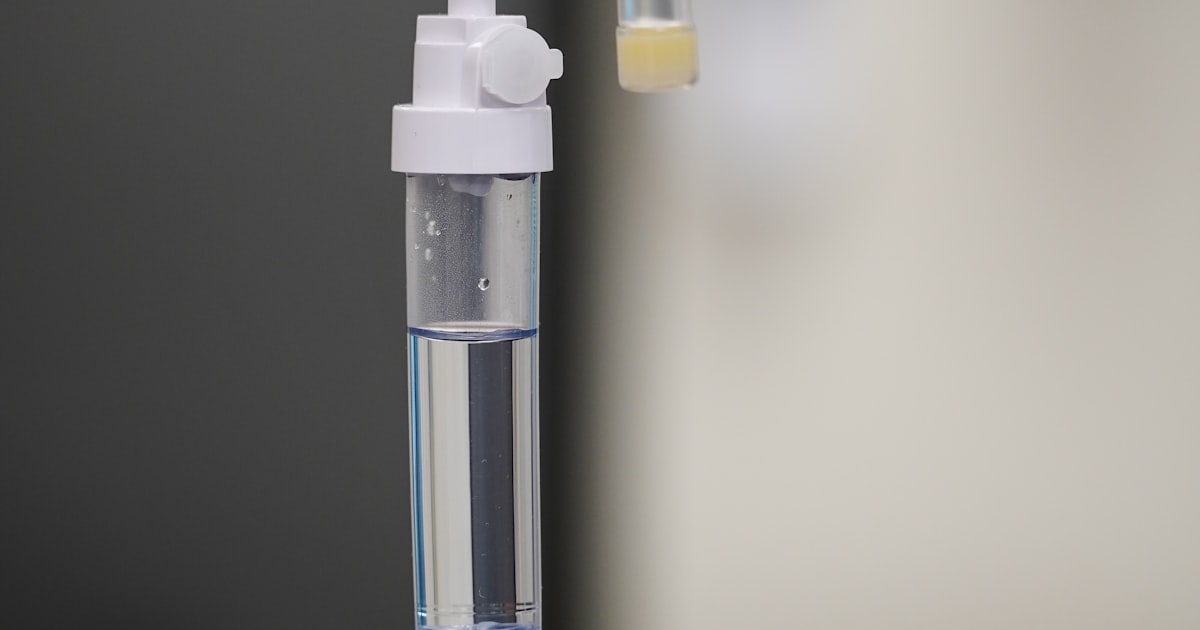
The timeline below shows the monitoring a hospital should perform when a patient is placed on one of these antibiotics. A missed step at any point can be the difference between a full recovery and a permanent injury.
Ohio Law and the Deadlines That Protect Your Claim
In Ohio, a case involving harm from a hospital's medication management is generally a medical claim, and medical claims run on a short clock. Under Ohio Revised Code Section 2305.113, most medical claims must be filed within one year from the date the claim accrues, which is often when the patient discovers, or reasonably should have discovered, the injury and its connection to the treatment. Ohio law allows a limited extension when the patient provides the health care provider with proper written notice before the year runs out, but these rules are technical and unforgiving. Missing the deadline can end an otherwise strong case.
Ohio also requires that a medical claim be supported by an affidavit of merit, a sworn statement from a qualified medical expert confirming that the care fell below the accepted standard. This requirement means the investigation has to begin early, because the records must be gathered and reviewed by an expert before a complaint can even be filed. Certain situations extend these deadlines. Under Ohio Revised Code Section 2305.16, the limitations period can be tolled, meaning paused, for a person who is of unsound mind, which can matter when an injury has left a patient unable to manage their own affairs. Claims involving a child or a death follow their own timing rules. Because these deadlines are strict and the exceptions are narrow, the safest step is to speak with a lawyer as soon as you suspect that antibiotic care caused harm.

What to Do If You Suspect an Antibiotic Injury
If you or a loved one developed kidney failure, hearing loss, ringing in the ears, or a balance disorder during or after treatment with vancomycin or gentamicin, a few steps can protect both your health and your legal rights. First, follow up promptly with your treating doctors and ask directly whether the antibiotic could be the cause, and make sure that concern is documented. Second, keep every piece of paperwork, including discharge summaries, medication lists, and lab results. Third, request a complete copy of your hospital records, which you have a right to obtain.
A lawyer can then arrange for a qualified physician to review the timeline and determine whether the monitoring and dosing met the accepted standard of care. The damages in these cases can include past and future medical costs, the cost of dialysis or hearing devices, lost income, and the deep personal loss that comes with a permanent injury.
Frequently Asked Questions
Can an antibiotic really cause permanent kidney or hearing damage?
How do I know if my antibiotic injury was medical malpractice?
How long do I have to file a claim in Ohio?
What is therapeutic drug monitoring and why does it matter?
What if my kidney function was already reduced before treatment?
How much does it cost to talk to a lawyer about this?
Talk to a Cleveland Medical Malpractice Lawyer for Free
If a hospital's failure to monitor vancomycin or gentamicin left you or someone you love with kidney damage or hearing loss, you deserve answers. The team at Ryan Injury Attorneys has spent decades holding Ohio hospitals accountable, and we are ready to review your case at no cost and with no obligation. Learn more about our work on our Cleveland medical malpractice team, read about founding attorney Daniel J. Ryan, or reach out through our contact page.
Call today for a free consultation: (216) 777-RYAN