

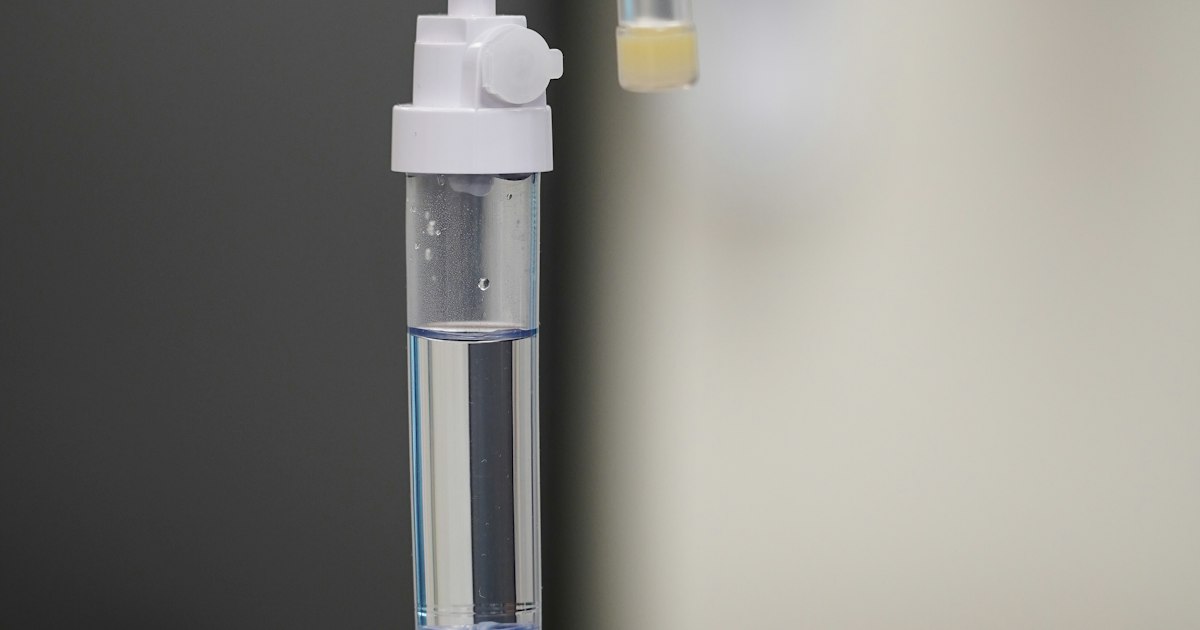
As Cleveland moves into the heart of fall and winter infection season, emergency rooms and inpatient units across Northeast Ohio fill with patients fighting pneumonia, sepsis, bloodstream infections, and serious skin and bone infections. For many of these patients, treatment includes powerful intravenous antibiotics such as vancomycin and gentamicin. These drugs save lives every day. They also carry well documented risks, and when a hospital or provider fails to monitor them the way the standard of care requires, the result can be permanent kidney damage, lifelong hearing loss, or a balance disorder that never fully heals.
At Ryan Injury Attorneys, we represent Cleveland families who trusted their care team and were harmed by a preventable medication error. This article explains how antibiotic toxicity happens, when it becomes medical malpractice under Ohio law, and what your family can do to protect its rights.
The Antibiotics Most Often Linked to Serious Injury
Two families of antibiotics account for most of the serious toxicity injuries we see in hospital care. Both are highly effective, and both demand close attention from the medical team.
Vancomycin and the Risk of Kidney Injury
Vancomycin is a glycopeptide antibiotic used widely against resistant infections such as MRSA. Its best known complication is acute kidney injury. The risk climbs when blood levels run too high, when the drug is combined with other kidney stressing medications (for example, piperacillin and tazobactam), and when a patient already has reduced kidney function. Vancomycin can also trigger severe reactions, including DRESS (drug reaction with eosinophilia and systemic symptoms), dangerous skin reactions, and an infusion related flushing reaction tied to how quickly the medicine is given. Much vancomycin kidney injury is preventable with careful dosing and lab monitoring.
Gentamicin, the Aminoglycosides, and Hearing and Balance Loss
Gentamicin belongs to the aminoglycoside family. It can injure the kidneys, but it is especially known for ototoxicity, meaning damage to the inner ear. That damage takes two forms. Cochlear injury causes hearing loss that often begins in the high frequencies and can become permanent. Vestibular injury damages the balance organs and can leave a person dizzy, unsteady, and unable to keep their vision stable when they move their head, a symptom doctors call oscillopsia. Unlike many side effects, aminoglycoside inner ear injury is frequently irreversible, which is exactly why monitoring matters so much.
When Antibiotic Toxicity Crosses the Line Into Malpractice
Not every bad reaction to an antibiotic is malpractice. Medicine involves real risk, and some patients are harmed even when the care is appropriate. A claim arises when a provider falls below the accepted standard of care and that failure causes the injury. With vancomycin and the aminoglycosides, the recurring failures we see include the following.
- Failing to order drug level testing. Both medicines call for therapeutic drug monitoring, which means checking blood levels (peak and trough measurements for aminoglycosides, and an overall exposure measure for vancomycin) to keep the dose in a safe and effective range.
- Failing to adjust the dose for kidney function. The right dose depends on how well the kidneys clear the drug. A dose that is safe for one patient can be toxic for another.
- Failing to watch the kidneys and the ears. A rising creatinine level on routine labs is a warning sign. So are new complaints of ringing in the ears, muffled hearing, or dizziness. Ignoring these signals lets a reversible problem become a permanent one.
- Continuing the drug too long, or at too high a level, after the warning signs appear.
Since 2020, a national consensus guideline from major pharmacy and infectious disease organizations has recommended monitoring vancomycin by its total daily exposure rather than by a single trough level alone, specifically to reduce kidney injury. When a hospital system ignores recognized monitoring practices and a patient is hurt, that gap can support a medical claim.
The Deadlines That Can Make or Break an Ohio Antibiotic Injury Claim
Ohio law treats a claim against a hospital, doctor, nurse, or pharmacist for this kind of harm as a medical claim, and medical claims follow strict deadlines. Under R.C. 2305.113(A), you generally have one year from the date the claim accrues to file suit. That is a short window compared with the two year deadline that applies to most other injury cases under R.C. 2305.10.
There are important wrinkles. If you send proper written notice to the provider before the one year runs out, R.C. 2305.113(B) gives you another 180 days to file. A separate outside limit, the four year statute of repose in R.C. 2305.113(C), generally bars claims brought more than four years after the act or omission, with limited exceptions for injuries that could not reasonably be discovered and for foreign objects left in the body. Ohio also pauses certain deadlines. Under R.C. 2305.16, the clock can be tolled for a person who is a minor or who is of unsound mind, which can matter when a patient is left incapacitated by the injury.
Ohio further requires that a medical claim be filed with an affidavit of merit under Civil Rule 10(D)(2), a sworn statement from a qualified expert confirming that the care fell below the standard. Ohio also caps noneconomic damages in medical claims under R.C. 2323.43, with a higher cap reserved for permanent and catastrophic injuries such as the loss of a major bodily function. Because these rules are unforgiving, families should speak with a lawyer quickly rather than wait and risk losing the right to sue.
What Cleveland Families Can Do to Protect Their Rights
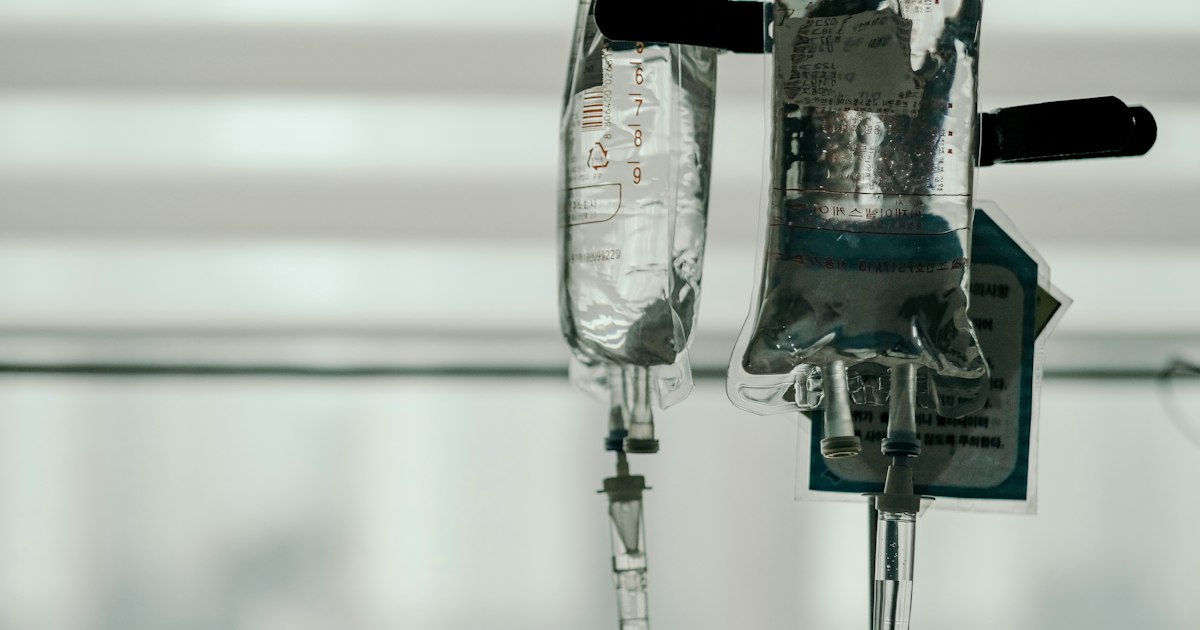
If you believe a loved one was harmed by an antibiotic, a few steps help preserve the case. Ask for the complete medical records, including the medication administration record and every lab result showing kidney function and drug levels over time. Write down the timeline of symptoms, such as when hearing changes, dizziness, or reduced urine output began. Keep any audiology and nephrology reports, because an objective test that documents high frequency hearing loss or a steady rise in creatinine can be powerful evidence. You do not need to prove the case yourself. An experienced lawyer can gather the records, have them reviewed by qualified medical experts, and determine whether the monitoring and dosing met the standard of care. Our Cleveland medical malpractice team handles this review at no cost to you. When antibiotic toxicity contributes to a death, our Cleveland wrongful death lawyers can explain how a claim under R.C. 2125.02 works for surviving family members.
Frequently Asked Questions
How long do I have to file an antibiotic injury claim in Ohio?
Is permanent hearing loss from gentamicin always malpractice?
What is therapeutic drug monitoring, and why does it matter?
Can I still sue if my family member recovered from the kidney injury?
What if a loved one died after antibiotic toxicity?
How much does it cost to hire Ryan Injury Attorneys?
Talk With a Cleveland Antibiotic Injury Lawyer
If a hospital stay in Cleveland left you or someone you love with kidney failure, hearing loss, or a balance disorder after treatment with vancomycin, gentamicin, or a related antibiotic, you deserve clear answers. Ryan Injury Attorneys offers a free, no obligation consultation to review what happened and explain your options under Ohio law. There is no fee unless we recover for you. Call (216) 777-RYAN today, or reach us through our contact page, to speak with a member of our Cleveland medical malpractice team.