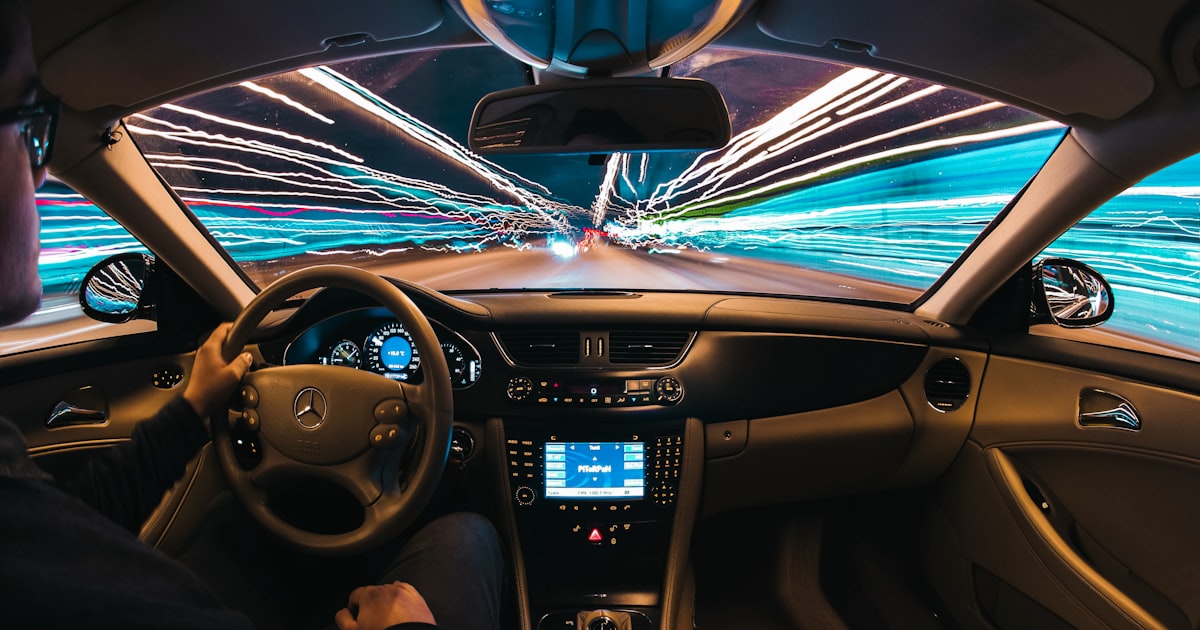

When a self-driving or driver-assist vehicle causes a crash on a Cleveland highway, the first question families ask is simple, and the answer is not: who is responsible? A human driver is easy to name. A car that steers, brakes, and accelerates on its own is not. In March 2026, the National Highway Traffic Safety Administration escalated its investigation into Tesla's Full Self-Driving system to an engineering analysis covering roughly 3.2 million vehicles, after linking a series of crashes, including a fatality, to how the system performs in reduced visibility. That step, one short of a possible recall, put a national spotlight on a problem Ohio drivers already sensed on foggy mornings off Lake Erie.
This guide explains how liability works after an automated-vehicle crash in Ohio, who can be held responsible, and why the data inside the vehicle often decides the case. It is part of our broader resource on AI injury claims under Ohio law.
The Levels of Automation and Why They Matter
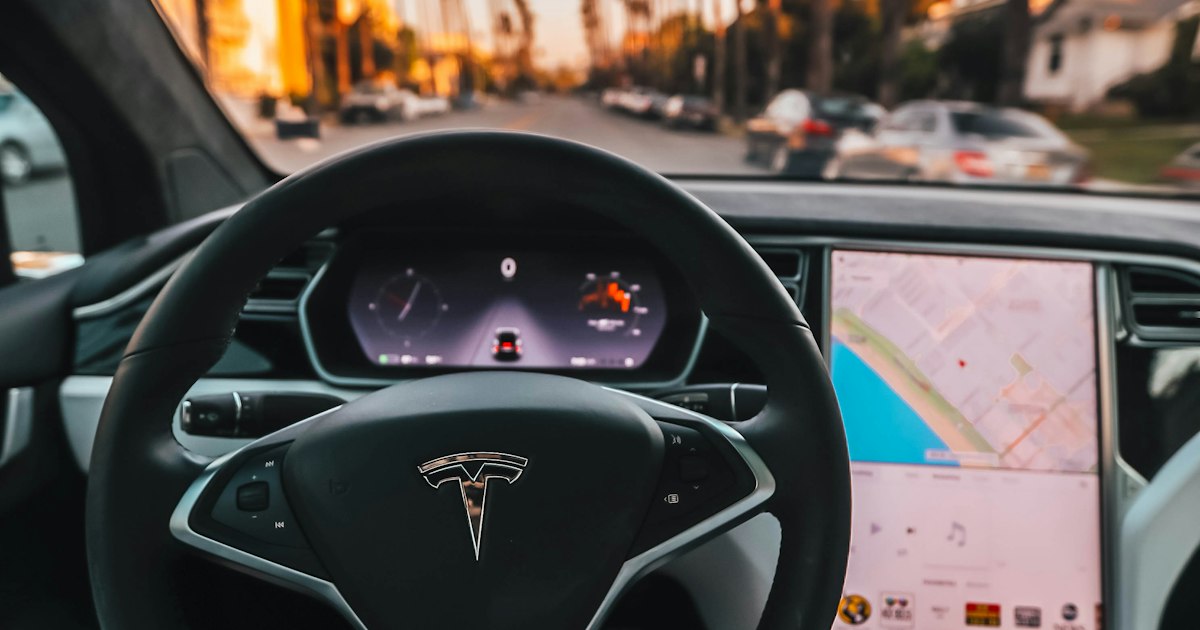
Not every car that brakes for you is self-driving. Automation runs along a spectrum. At the lower end are driver-assist features like automatic emergency braking, lane keeping, and adaptive cruise control, where the human is always supposed to be in control. In the middle are systems marketed with names like Autopilot or Full Self-Driving that steer and manage speed but still require a ready driver. At the far end are true driverless vehicles and robotaxis that operate with no one at the wheel.
Where a vehicle falls on that spectrum shapes who is at fault when it crashes. The more the system was doing at the moment of impact, and the more the driver was told to trust it, the more the manufacturer and software developer come into focus. The marketing labels rarely match the fine print, and that gap between what a system was sold as and what it can actually do is often where a case is built.
Who Can Be Liable After an Autonomous Vehicle Crash
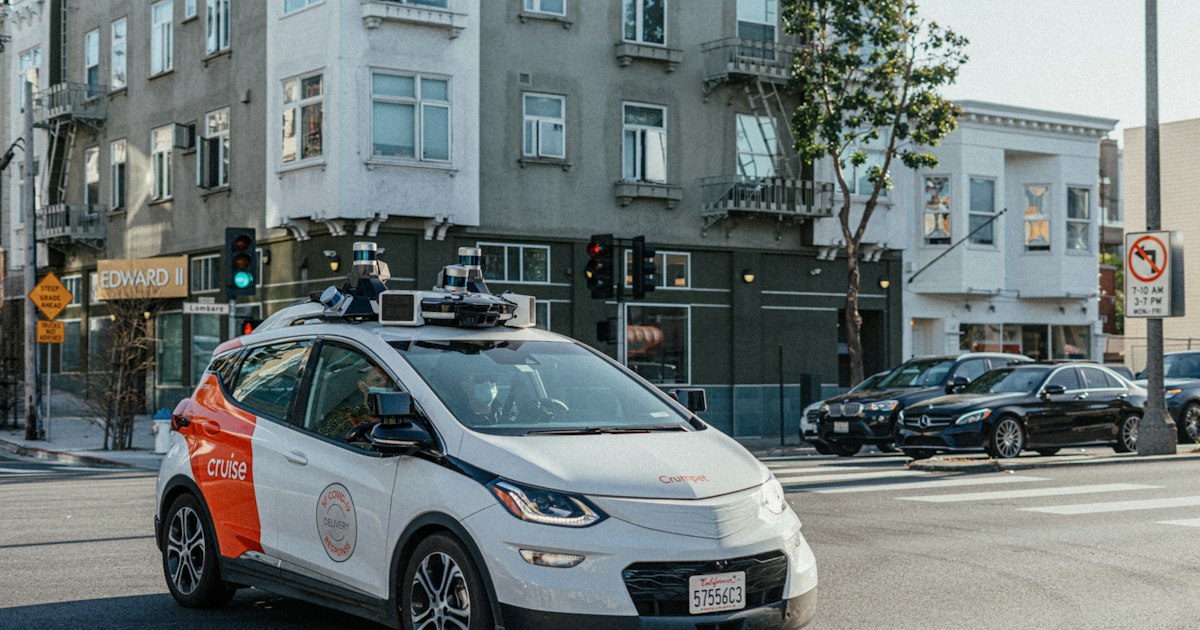
An automated-vehicle crash can produce more defendants than an ordinary fender bender. Depending on the facts, responsibility may rest with any combination of the following: the automaker, if the system was defectively designed, built, or tested; the technology company that wrote and trained the driving software, if it was developed negligently; the human operator, if they misused the system, were distracted, or ignored a warning to take over; the company operating a driverless fleet, which steps into the role a driver would normally hold; and other negligent drivers or a government entity responsible for a hazardous roadway.
Ohio does not force an injured person to choose just one. Under Ohio's comparative fault rules, more than one party can be held responsible in proportion to its share of the blame, and an injured person can pursue each of them. Untangling that web is the lawyer's job. Our Cleveland car accident lawyers investigate every layer rather than accepting the insurer's convenient story that the driver alone was at fault.
The Ohio Law Behind an Autonomous Vehicle Claim
There is no separate Ohio statute for robot cars yet, so these claims run on established law. Defect claims against the automaker and, in many cases, the software maker proceed under Ohio's product liability act, R.C. § 2307.71 and the sections that follow, which recognize defects in design (R.C. § 2307.75), manufacture (R.C. § 2307.74), and inadequate warnings (R.C. § 2307.76). Claims that a company failed to design, test, or update the system with reasonable care proceed as ordinary negligence.
Deadlines matter and can arrive faster than families expect. Most personal injury claims in Ohio must be filed within two years under R.C. § 2305.10, and product claims can also face a statute of repose that bars most cases brought more than ten years after the vehicle was delivered. If a crash is fatal, the family's wrongful death claim proceeds under R.C. § 2125.02, filed by the estate's representative within two years of the death. Because more than one clock can run at once, early legal advice protects your rights.
The Data That Proves an Autonomous Vehicle Crash
Automated vehicles are witnesses to their own crashes. Unlike a typical wreck, where skid marks and bystanders tell the story, these cars record what they perceived and what they decided. That evidence is the heart of the case, and it is controlled by the companies you may need to sue. It can be overwritten by a routine software update or lost when a vehicle is repaired or scrapped.
The most important sources are shown below. Preserving them starts with a prompt legal demand to the manufacturer and any fleet operator, and sometimes a court order, before the record disappears.
How Reduced Visibility Became the Central Safety Question
The federal Tesla investigation focuses on a failure mode that should worry every Northeast Ohio driver: how automated systems behave when they cannot see well. Regulators are examining crashes tied to fog, heavy rain, sun glare, and other conditions that degrade a camera's view of the road. Cleveland produces exactly those conditions for months at a time, from lake-effect snow squalls to dense morning fog along the lakeshore and blinding glare on the Shoreway at sunset.
A system that performs well in clear California weather may struggle here. When an automated vehicle fails to detect a stopped car, a pedestrian, or a lane line because its sensors were overwhelmed by weather the maker should have anticipated, that can be strong evidence of a design defect or a failure to warn drivers about the system's real limits.
Why Automated-Vehicle Injuries Are Often Severe
Crashes involving automated systems can be especially violent. When a system fails to brake for stopped traffic or misreads a curve, it may strike at full speed with no last-second human correction. Occupants who trusted the technology are often relaxed and unprepared for the impact. The result can be traumatic brain injury, spinal cord damage, multiple fractures, or death. These are life-altering injuries with lifelong costs, which is why the compensation at stake is frequently far higher than in a minor collision, and why insurers fight these claims so hard. When a crash causes a catastrophic injury or a death, the value of a careful, complete investigation only grows.
How We Build an Autonomous Vehicle Case
Proving one of these cases takes a methodical approach. We move first to preserve the vehicle and to compel the manufacturer and any fleet operator to retain the crash data, the software build, and the update history. We work with accident reconstructionists and with software and sensor engineers who can translate raw logs into a clear account of what the system perceived, what it decided, and where it went wrong. We compare the vehicle's behavior against the maker's own specifications, owner warnings, and public safety claims. And we assemble the medical proof needed to show the full extent of the harm. That combination, technical and human, is what moves a manufacturer to settle fairly or persuades a Cuyahoga County jury at trial.
Where Automated-Vehicle Crashes Happen in Greater Cleveland
Automated systems are tested most severely on the roads Clevelanders drive every day. High-speed interstates like I-90, I-71, I-77, I-480, and I-271 combine merging traffic, sudden slowdowns, and construction zones that challenge any driving system. The Shoreway delivers low sun and lake glare. Downtown and University Circle mix pedestrians, cyclists, and complex intersections. The outer suburbs add unlit rural roads and wildlife. Each of these environments has produced ordinary crashes for decades, and each now tests whether an automated system can handle the real world rather than an ideal one. When it cannot, the people in and around the vehicle pay the price.
Common Myths About Self-Driving Car Crashes
Two myths keep injured people from getting help. The first is that if you were behind the wheel, the crash must be your fault. That is often wrong. When a system was engaged, marketed as capable, and failed to perform, the maker may share or bear the responsibility. The second myth is that suing a large automaker is hopeless. These companies are well funded and aggressive, but they are not immune, and the same data they rely on to defend themselves can prove a claim when it is preserved and read correctly.
A third myth is that you must wait for the federal investigation to conclude before doing anything. You should not. Regulatory reviews can take years, while Ohio's filing deadlines and the vehicle's own data will not wait for them. Acting now protects both the evidence and your legal rights, and it costs you nothing to ask.
What to Do After an Automated-Vehicle Crash in Cleveland
Get medical attention and follow through on treatment. If you can, do not allow the vehicle to be repaired, reset, or sold, because it holds the data. Photograph the scene, the vehicle, and any screens showing which features were active. Note whether the system gave alerts or asked you to take over. Save any related app data or notifications. Decline to give a recorded statement to an insurer until you understand your rights, and speak with a lawyer quickly so the vehicle data can be preserved before it is gone.
Frequently Asked Questions
Who is at fault if my car was in self-driving mode during the crash?
What Ohio laws apply to an autonomous vehicle crash?
What evidence matters most in a self-driving car case?
Does the NHTSA Tesla investigation help my claim?
Can I sue if a driverless robotaxi hit me as a pedestrian or another driver?
How much does it cost to hire Ryan Injury Attorneys for an autonomous vehicle case?
Talk With a Cleveland Autonomous Vehicle Crash Lawyer
If you or someone you love was hurt in a crash involving a self-driving or driver-assist vehicle, do not let the vehicle data disappear before anyone looks at it. Ryan Injury Attorneys investigates these cases with the engineering and medical experts they demand. Call (216) 777-RYAN for a free, confidential consultation, or contact us online. There is no fee unless we recover for you.