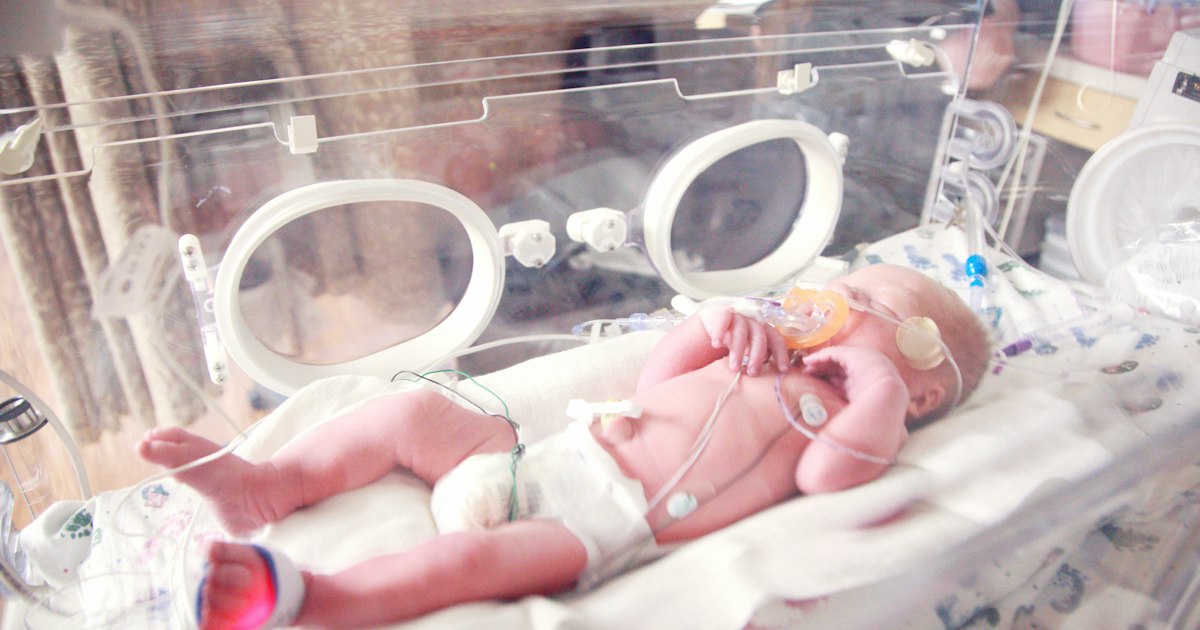

Few moments hold as much hope as the arrival of a child. When a delivery goes wrong because of a preventable medical error, that hope can turn into a lifetime of care, uncertainty, and grief. Across Northeast Ohio, families who trusted a Cleveland hospital and delivery team are left asking a painful question: could this injury have been avoided, and what does Ohio law allow us to do about it? This guide explains how birth injury claims work in Ohio, the deadlines that protect your child, and the compensation that may be available.
Birth injuries are more common than many parents realize. Research suggests that birth injuries occur in roughly 6 to 7 of every 1,000 live births in the United States. Hypoxic-ischemic encephalopathy, a brain injury caused by oxygen deprivation around the time of delivery, affects an estimated 1.7 of every 1,000 births, which points to well over 200 Ohio newborns each year. About a third of children with moderate to severe HIE go on to develop cerebral palsy, and national estimates place the lifetime cost of caring for a child with cerebral palsy near one million dollars. Behind every statistic is a family in Cleveland, Lakewood, Parma, or Shaker Heights trying to understand what happened.
What Counts as a Birth Injury Under Ohio Law
A birth injury is physical harm to a baby, or to the mother, caused by events during pregnancy, labor, or delivery. It is different from a birth defect, which is a genetic or developmental condition that forms before birth and is usually not the fault of any provider. The claims discussed here involve preventable injuries, not the ordinary risks that come with childbirth.
Some of the most serious birth injuries our attorneys see in Northeast Ohio include hypoxic-ischemic encephalopathy and other oxygen-deprivation brain injuries, cerebral palsy, brachial plexus and Erb palsy injuries that affect the arm and shoulder, skull fractures, and seizure disorders. These injuries can trace back to a range of delivery-room failures: a failure to read and act on fetal heart-rate monitoring, a dangerously delayed cesarean section, the improper use of forceps or a vacuum extractor, mismanaged shoulder dystocia, untreated maternal infection or preeclampsia, and medication errors. When a provider recognizes distress but does not respond in time, the window to prevent lasting harm can close in minutes.
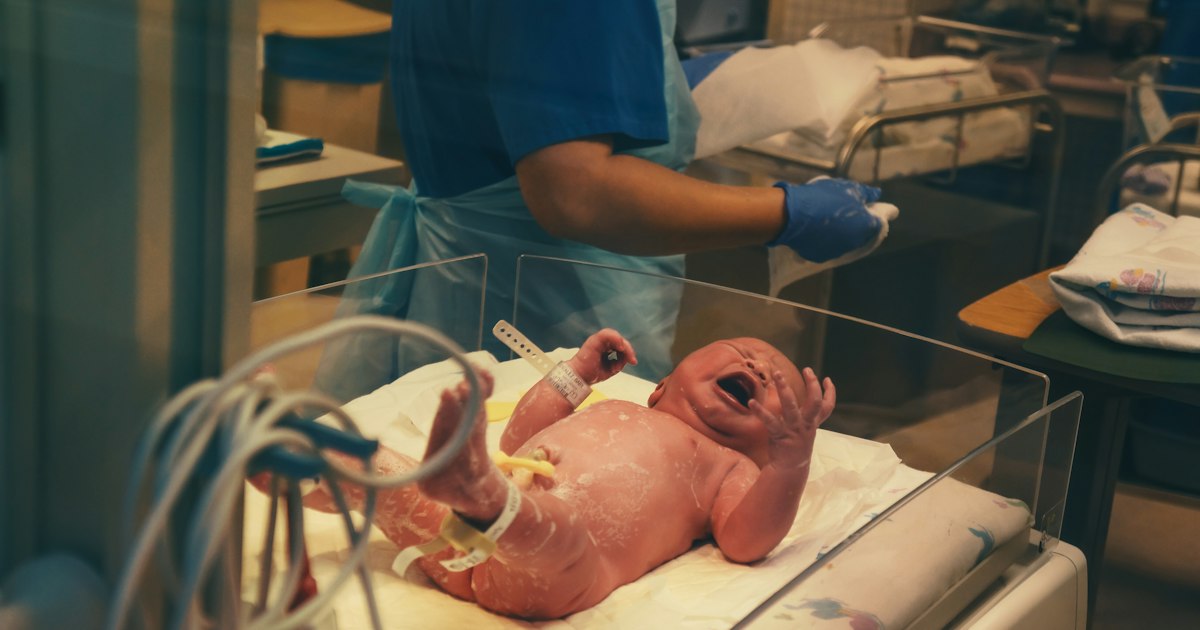
When a Birth Injury Becomes a Medical Malpractice Claim
Not every difficult birth or disappointing outcome is malpractice. Ohio law treats birth injury cases as medical claims, and a family must prove several elements to recover. First, there must be a provider-patient relationship, which is almost always clear in a hospital delivery. Second, the provider must have breached the accepted standard of care, meaning they did something a reasonably careful physician, nurse, or hospital would not have done, or failed to do something that was required. Third, that breach must have caused the injury, and the injury must have produced real damages.
Proving a breach and causation almost always requires qualified medical experts who can review the prenatal chart, the labor and delivery records, and the fetal monitoring strips. That is why Ohio requires most medical claims to be filed with an affidavit of merit under Civil Rule 10(D)(2), a sworn statement from a qualified expert confirming the case has merit. Our team at Ryan Injury Attorneys works with obstetric, neonatology, and nursing experts to determine whether a preventable error occurred and how it changed a child life. You can learn more about this process from our Cleveland medical malpractice attorneys.
Ohio Deadlines for Birth Injury Claims
Deadlines are one of the most misunderstood parts of a birth injury case, and getting them wrong can end a claim before it begins. Ohio sets a general one-year limitations period for medical claims under R.C. 2305.113(A). Ohio also has a four-year statute of repose under R.C. 2305.113(C), which by its own terms applies except as to persons within the age of minority or of unsound mind, as provided by R.C. 2305.16.
For a child, R.C. 2305.16 can toll, or pause, the running of certain deadlines during minority, and Ohio courts have addressed how that tolling interacts with the repose period. The rules are genuinely complex, they have been litigated, and they can turn on facts specific to your case. Just as important, if the delivery occurred at a public or county hospital, R.C. Chapter 2744 may apply political-subdivision immunity and much shorter notice deadlines. Because of all this, no family should assume they have years to act. The diagram below shows the milestones at a glance.
The practical takeaway is simple even though the statutes are not: contact a lawyer as soon as you suspect a birth injury. Fetal monitoring strips, staffing records, and witness memories fade, and preserving them early can make the difference between a provable claim and a lost one.
What Compensation May Be Available
A serious birth injury reshapes a family budget for decades, and Ohio law allows recovery for both economic and noneconomic harm. Economic damages can include past and future medical bills, a lifetime of therapy and nursing care, assistive equipment, home and vehicle modifications, special education, and the child lost future earning capacity. These future costs are documented through a life-care plan prepared by medical and economic experts, so that a settlement or verdict reflects the real, lifelong need rather than a guess.
Noneconomic damages compensate for pain, suffering, and the loss of a normal childhood. Ohio caps noneconomic damages in medical claims under R.C. 2323.43, but a catastrophic-injury exception raises those limits for permanent and substantial injuries, a category that many severe birth injuries, including significant brain injuries, can meet. When a child brain has been permanently harmed, our Cleveland brain injury lawyers build the medical proof needed to pursue full value. In the most tragic cases, where an infant or mother does not survive, Ohio wrongful death law under R.C. 2125.02 allows the family to recover, and our Cleveland wrongful death lawyers can explain those rights.

Steps to Protect Your Child Claim
If you believe a delivery error harmed your baby, a few early steps can protect both your child health and any future claim. Request complete medical records, including the mother prenatal chart, the full labor and delivery record, the fetal monitoring strips, and the newborn NICU records. Keep a simple journal of your child symptoms, diagnoses, therapies, and developmental milestones, because that record helps experts connect the delivery to the outcome. Follow through on every recommended evaluation, since early diagnosis of conditions like cerebral palsy supports both treatment and the case. Finally, speak with a birth injury lawyer before deadlines run and before records are lost. A consultation costs nothing and can bring real clarity during a frightening time.
Frequently Asked Questions
Is every birth injury the result of medical malpractice?
How long do I have to file a birth injury claim in Ohio?
What conditions are often linked to delivery negligence?
Do I need a medical expert to bring a claim?
Are birth injury damages capped in Ohio?
What does it cost to hire a birth injury lawyer?
Speak With Ryan Injury Attorneys Today
If your family is facing the aftermath of a birth injury in Cleveland or anywhere in Northeast Ohio, you do not have to sort through the medicine and the law alone. Ryan Injury Attorneys offers a free, confidential consultation to review what happened, explain your options, and handle every case on a contingency fee, which means you pay no fee unless we recover for your family. Call us today at (216) 777-RYAN or reach out through our contact page to speak with our team, including founding attorney Daniel J. Ryan. The sooner we can review the records, the more we can do to protect your child future.