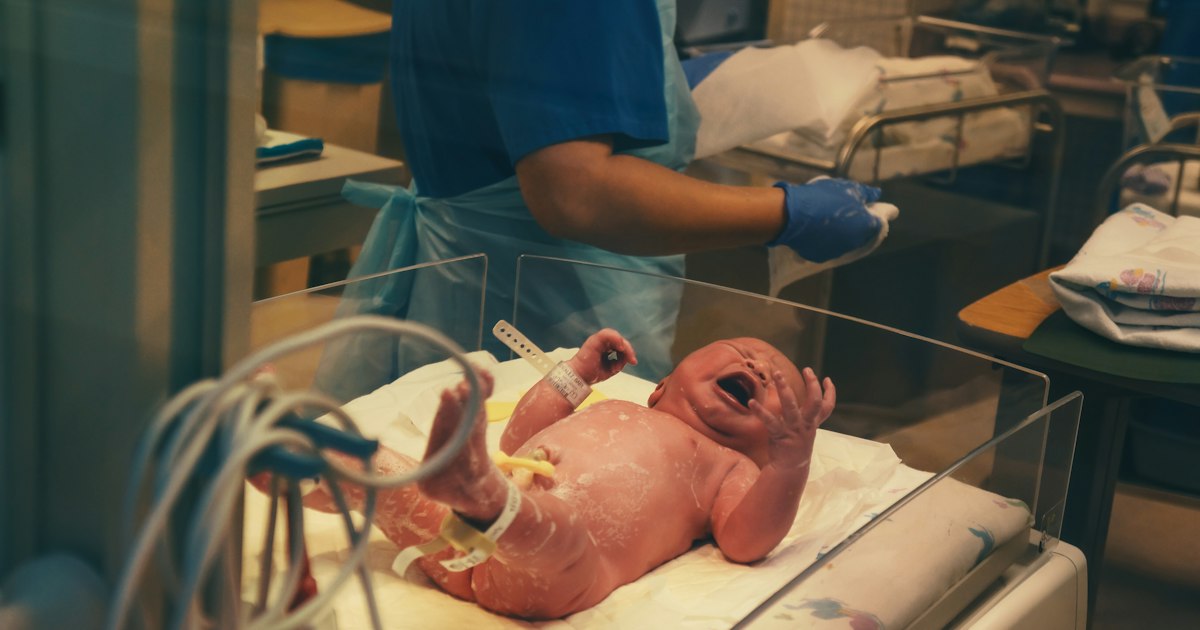

In spring 2025, Ohio health leaders announced that the state had reached its lowest infant mortality rate in two decades, about 6.5 deaths per 1,000 live births. That progress is real. Yet the numbers also tell a harder story close to home. In Cuyahoga County the rate still sits near 8.8 per 1,000, and inside Cleveland it climbs to about 13.6, with Black infants dying at more than twice the rate of white infants. Behind those figures are families whose lives changed in a delivery room, and some of them are living with a birth injury that could have been prevented.
Not every difficult birth is the result of negligence. Prematurity, congenital conditions, and sudden unexpected infant death account for a large share of infant loss in Ohio, and no honest lawyer will claim otherwise. But when a healthy pregnancy ends in a brain injury, a paralyzed arm, or a preventable death because a provider ignored clear warning signs, Ohio law gives families a path to accountability and to the resources their child will need. This guide explains what a birth injury claim involves, how our Cleveland medical malpractice lawyers approach these cases, and why the timing of your next steps matters.
What Counts as a Birth Injury Under Ohio Law
A birth injury is physical harm to a baby that occurs during labor, delivery, or the care surrounding birth. It is different from a birth defect, which develops before birth from causes a provider cannot control. The most serious birth injuries we see at our firm include:
- Hypoxic-ischemic encephalopathy (HIE): brain damage from oxygen deprivation, often tied to a delayed delivery when a baby is in distress.
- Cerebral palsy: a lifelong movement and coordination disorder that can follow oxygen loss or trauma during birth.
- Brachial plexus injuries, including Erb’s palsy: nerve damage to the arm and shoulder, frequently linked to the mishandling of a shoulder dystocia.
- Skull fractures and bleeding on the brain: injuries that can result from the improper use of forceps or a vacuum extractor.
- Untreated newborn jaundice (kernicterus): brain injury that follows a failure to treat severe jaundice.
Many of these conditions are only diagnosed months or even years later, as a child misses developmental milestones. That delay is one reason Ohio families often do not realize they may have a claim until well after the birth.
How Preventable Medical Errors Lead to Birth Injuries
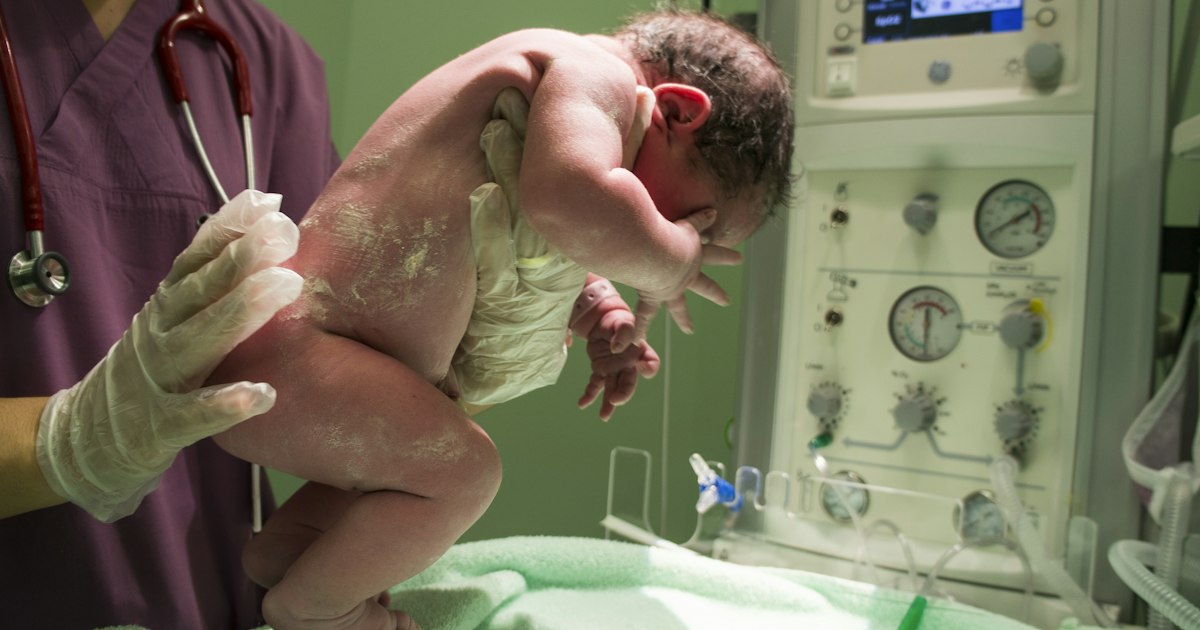
Most births in Northeast Ohio go smoothly because providers follow well-established protocols. Birth injuries tend to arise when that routine breaks down. In the cases we investigate, the recurring failures include misreading or ignoring fetal heart rate monitoring that signals distress, waiting too long to order an emergency cesarean section, using excessive force or delivery instruments improperly, failing to recognize and manage a shoulder dystocia, and missing signs of infection, preeclampsia, or a prolapsed umbilical cord. Mistakes with labor-inducing medications that cause dangerously strong contractions also appear in these files.
The common thread is timing. In obstetrics, minutes matter. When a monitoring strip shows a baby losing oxygen and the delivery team does not act, the window to prevent permanent brain injury can close quickly. A careful review of the records usually reveals whether the team responded as a reasonably careful provider should have.
Proving a Birth Injury Claim in Ohio
A birth injury case is a medical malpractice claim, and Ohio sets specific requirements for these claims. Your family must show that a provider owed a duty of care, that the care fell below the accepted medical standard, that this failure caused the injury, and that the injury produced real harm. Causation is often the hardest piece, because a hospital will frequently argue that the child’s condition came from something other than the delivery.
Ohio law also requires an affidavit of merit under Civil Rule 10(D)(2). Before the case proceeds, a qualified medical expert must review the records and confirm in a sworn statement that the care breached the standard and caused harm. At our firm we retain physicians and nurses who study the fetal monitoring data, the delivery notes, and the sequence of decisions. This review is also how we tell families honestly whether they have a case.
Deadlines Are Different for a Child’s Claim
Timing is one of the most misunderstood parts of a birth injury claim, and getting it wrong can end a case before it starts. Ohio generally requires a medical claim to be filed within one year under R.C. § 2305.113, and a four-year statute of repose can bar claims that are brought too late. A properly sent 180-day letter can extend the one-year period in some situations. For a child, the limitations period is tolled during minority under R.C. § 2305.16, which can preserve a claim that an adult would have lost. If a birth injury causes a child’s death, a wrongful death claim under R.C. § 2125.02 carries its own two-year deadline.
These rules overlap in ways that are easy to misjudge, and the interaction between the minority tolling and the statute of repose has been the subject of hard-fought litigation in Ohio. The safest course is simple: do not assume you have years to decide. The timeline below shows how the key deadlines fit together.
If you are unsure where your family stands, speak with a lawyer promptly. A short, free consultation can confirm whether a deadline is approaching while there is still time to protect your child’s rights. Our Cleveland brain injury attorneys handle the time-sensitive record requests so nothing slips.

What a Birth Injury Claim Can Recover
A child with cerebral palsy or a severe brain injury may need therapy, equipment, home modifications, and skilled care for a lifetime, and those costs can reach into the millions. Ohio law allows families to recover economic damages for past and future medical care, lost earning capacity, and long-term support, none of which are capped. Families may also recover noneconomic damages for pain, suffering, and the loss of the life the child was meant to have.
Ohio caps many noneconomic damages under R.C. § 2315.18, but the cap does not apply to catastrophic injuries that involve permanent and substantial physical deformity or the loss of use of a bodily organ system. Many birth injuries fall squarely within that exception. When a family loses a child, a wrongful death claim can seek compensation for the family’s loss as well. Our Cleveland wrongful death lawyers handle these cases with the care they demand.
What Cleveland Families Should Do Next
If you believe your child was harmed during birth, start by gathering the complete prenatal, labor, delivery, and newborn records, including the fetal heart monitoring strips. Keep a simple file of diagnoses, therapies, and specialists. You do not need to interpret any of it or decide whether a mistake was made. That is our job. The sooner the records are reviewed, the better the odds of preserving evidence and meeting every deadline.
Daniel J. Ryan and the team at Ryan Injury Attorneys have spent decades standing up for injured Ohioans, and birth injury cases are among the most important work we do. We know the Cleveland hospitals, the local courts, and the experts who can tell your family the truth.
Frequently Asked Questions
What is the difference between a birth injury and a birth defect in Ohio?
How long do I have to file a birth injury claim in Ohio?
Do I need a medical expert to bring a birth injury case?
What does it cost to hire a Cleveland birth injury lawyer?
Are there limits on the money my family can recover?
What records should I gather if I suspect a birth injury?
Talk With a Cleveland Birth Injury Lawyer for Free
If your child may have been harmed by a preventable birth injury, you do not have to sort it out alone. Our team will review the records at no cost and explain your options. There is no fee unless we win.
Call (216) 777-RYAN today, or request your free consultation.