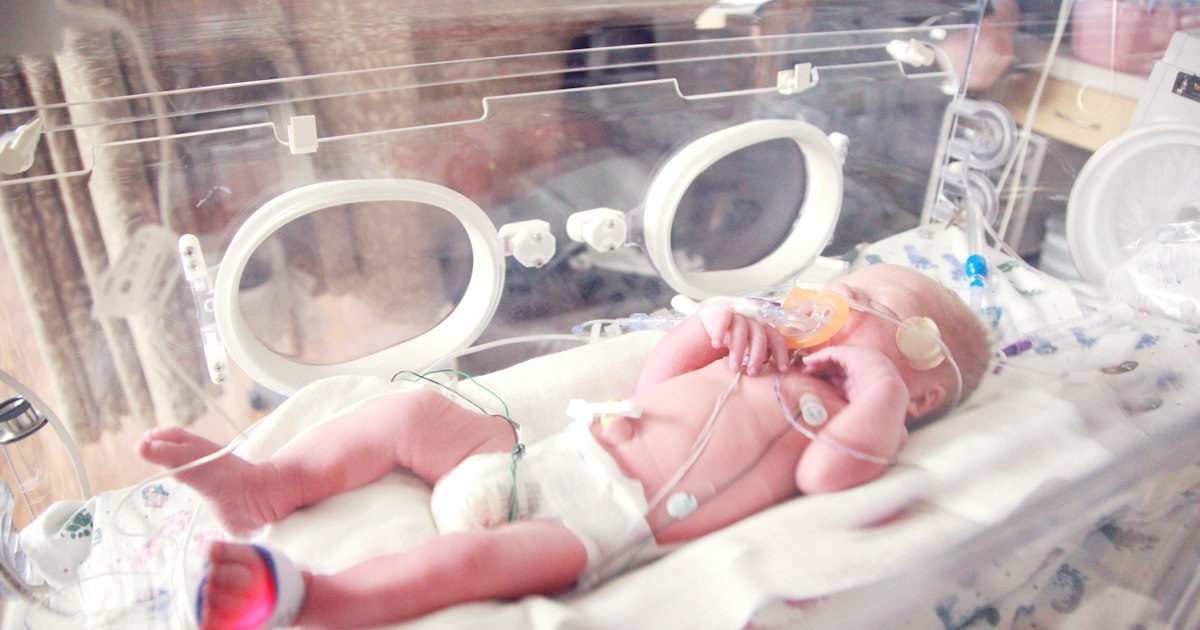

When OhioHealth stopped delivering babies at Grady Memorial Hospital in Delaware County in August 2026, the county was left without a single hospital labor and delivery unit, and it was not an isolated event. The Ohio Hospital Association estimates that more than two dozen Ohio hospitals have closed or consolidated maternity care since 2018, and a 2026 March of Dimes report found that nearly half of Ohio counties now have no hospital that delivers babies. For families across Northeast Ohio, that means longer drives and more births that begin in a car or an emergency room.
Most Ohio babies are born healthy. But when a delivery goes wrong because a provider missed the warning signs or waited too long to act, the harm can last a lifetime, bringing decades of therapy, surgery, and around the clock care. Ohio law lets families hold negligent providers and hospitals accountable, and it sets strict deadlines that are easy to miss. This article explains what birth injuries are, when they cross into medical negligence, and how the law works in Ohio. If you want to talk now, our Cleveland medical malpractice lawyers offer a free review.
What Counts as a Birth Injury
A birth injury is harm a baby suffers during pregnancy, labor, delivery, or the first hours of life, often because of how the birth was managed. It differs from a birth defect, which develops genetically or very early in pregnancy. The distinction matters, because harm caused by the way care was delivered is often preventable, and preventable harm is the foundation of a malpractice claim. Among the most serious birth injuries Northeast Ohio families face are:
- Hypoxic ischemic encephalopathy (HIE), a brain injury caused by a loss of oxygen and blood flow around the time of birth.
- Cerebral palsy, a lifelong movement and muscle disorder that can follow oxygen deprivation or physical trauma during delivery.
- Brachial plexus injuries, including Erb’s palsy, which damage the nerves that control the arm and are often linked to difficult deliveries and shoulder dystocia.
- Skull fractures and bleeding inside the skull, sometimes associated with the improper use of forceps or a vacuum extractor.
- Fractured collarbones and other physical trauma from a delivery that was not managed safely.
Because an HIE or cerebral palsy diagnosis points to the brain, these cases often overlap with the work our Cleveland brain injury lawyers handle.

Why Ohio’s Shrinking Maternity Access Raises the Stakes
When a local labor and delivery unit closes, the risk does not disappear. It moves. A maternity care desert, a county with no obstetric hospital, birth center, or obstetric providers, can force families to drive thirty minutes or more while in labor. The report links those longer distances to delayed emergency care and a higher chance of an unplanned birth outside a hospital. The hospitals that keep their units then absorb more patients, which can stretch staff thin and slow a physician’s response in an emergency.
None of that excuses substandard care. A hospital that chooses to keep delivering babies still accepts the duty to staff and equip that unit for the emergencies labor can bring, and to monitor each patient and respond at the level the profession requires. A closure down the road does not lower that standard.
When a Birth Injury Is Medical Negligence
Not every difficult birth or heartbreaking outcome is malpractice. Ohio law asks: did the provider do what a reasonably careful provider in the same specialty would have done in the same circumstances? A birth injury becomes a negligence claim when a doctor, nurse, or hospital falls below that standard and that failure causes the harm.
In birth injury cases, the failures we see most often include:
- Failing to monitor the fetal heart rate, or failing to act on a tracing that shows the baby is in distress.
- Waiting too long to order a cesarean section when the baby is no longer tolerating labor.
- Mismanaging shoulder dystocia, where the baby’s shoulder becomes lodged behind the mother’s pelvic bone.
- Using forceps or a vacuum extractor improperly, or using them when they should not have been used at all.
- Failing to diagnose or treat conditions such as preeclampsia, gestational diabetes, or a maternal infection.
- Failing to recognize and treat severe newborn jaundice, which can cause a preventable brain injury.
The Deadlines That Apply to an Ohio Birth Injury Claim
Ohio sets some of the shortest deadlines in the country for medical claims, and a birth injury case can involve more than one clock at once. Missing one can end an otherwise strong claim before a court hears it. The timeline below is a general starting point, not legal advice.
A few points behind that picture:
- The general rule. Most medical claims in Ohio must be filed within one year of when the claim accrues, under R.C. 2305.113(A).
- The statute of repose. R.C. 2305.113(C) generally bars a medical claim brought more than four years after the act or omission, with only narrow exceptions.
- Children. R.C. 2305.16 can pause certain deadlines while a person is a minor, but how that tolling interacts with the four year repose period has been litigated in Ohio and continues to develop. Do not assume a child automatically has years to decide.
- Wrongful death. If a birth injury leads to a child’s death, R.C. 2125.02 allows the family to bring a wrongful death claim, generally within two years.
- Affidavit of merit. Ohio Civil Rule 10(D)(2) requires the complaint to include a sworn statement from a qualified medical expert, which takes time to prepare.
Because these rules overlap, and the law affecting children’s claims keeps changing, the safest step is to talk with a lawyer as soon as you suspect something went wrong.
What a Birth Injury Claim Can Recover
A birth injury claim is meant to pay for the full, lifelong cost of the harm, not just the first hospital bill. Depending on the facts, it may seek:
- Past and future medical bills, including surgery, hospital stays, and medication.
- Physical, occupational, and speech therapy, often for a lifetime.
- Assistive equipment such as wheelchairs and communication devices, plus modifications to the family home and vehicle.
- The care a child will need as an adult, when parents no longer can.
- Lost future earning capacity.
- Pain, suffering, and the loss of a normal life.
Ohio caps non-economic damages in many medical claims under R.C. 2323.43, but the statute carves out exceptions for catastrophic injuries, such as a permanent injury that keeps a person from caring for themselves, which covers many birth injuries. When a birth injury proves fatal, our Cleveland wrongful death lawyers help families pursue the separate recovery Ohio law allows.
What Families in Northeast Ohio Should Do
If you believe your child was harmed during birth, a few steps help. Keep a written timeline of what you remember. Request a complete copy of the medical records, not a summary. Be cautious about giving recorded statements to an insurer before you understand your rights. Most important, reach out to a birth injury lawyer early, while records are fresh and deadlines are open.
Frequently Asked Questions
How do I know if my child’s condition is a birth injury or a birth defect?
We are not certain a mistake was made. Should we still talk to a lawyer?
How long do we have to file a birth injury claim in Ohio?
What does it cost to hire a birth injury lawyer?
Does a hospital closing its maternity unit affect our case?
What medical records will we need?
Talk With a Cleveland Birth Injury Lawyer
If your child suffered a birth injury in Cleveland or anywhere in Northeast Ohio, you do not have to sort out what happened alone. Ryan Injury Attorneys will review the records, bring in qualified medical experts, and tell you honestly whether you have a case. Attorney Daniel J. Ryan and our team have spent decades standing up for injured families against hospitals and insurers.
The consultation is free, and you pay no attorney fee unless we win. Call (216) 777-RYAN or contact us today to talk about your family’s next step.