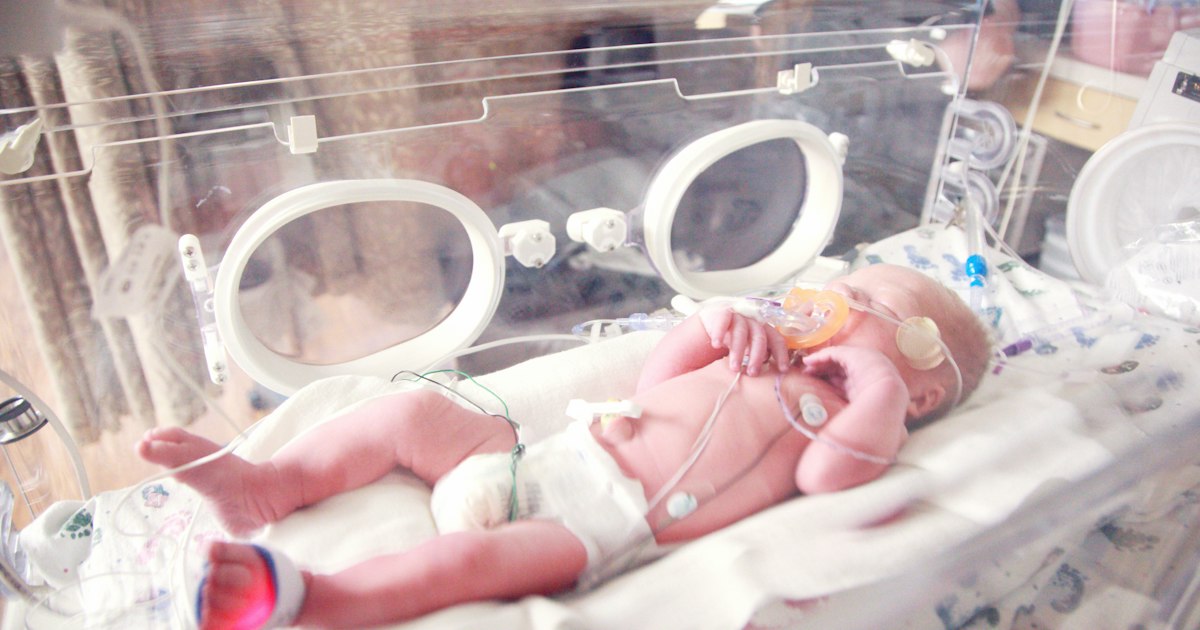

Few moments carry more hope than the birth of a child, and few are harder to accept when that hope turns into a lifetime of medical care. Cleveland families have long faced some of the toughest infant health outcomes of any large community in the country, and local coalitions continue working to give every baby a safe start. When a healthy pregnancy ends in a serious and preventable injury, parents are left with questions that the hospital rarely answers plainly: What went wrong during delivery, and could it have been stopped?
This guide explains how Ohio law treats birth injuries, how oxygen deprivation leads to conditions like cerebral palsy, when a hard delivery crosses the line into negligence, and the deadlines that quietly decide whether your family can ever bring a claim. It is written for parents, not for lawyers, and it does not substitute for advice about your own case.
What Counts as a Birth Injury Under Ohio Law
People often use birth injury and birth defect to mean the same thing, but Ohio law treats them very differently. A birth defect generally forms before labor, from genetics or prenatal development, and no caregiver caused it. A birth injury happens during pregnancy, labor, or delivery, and in many cases it traces back to a decision a provider made or failed to make. That distinction is the heart of almost every claim.
The injuries that most often lead Cleveland families to our office include hypoxic ischemic encephalopathy, known as HIE, which is brain damage from a lack of oxygen and blood flow; cerebral palsy, a group of disorders affecting movement and posture; brachial plexus injuries such as Erb's palsy, which can follow a mishandled shoulder dystocia; skull fractures and bleeding from improper use of forceps or a vacuum; and untreated newborn jaundice that progresses to kernicterus. Each of these can have innocent explanations, which is exactly why a careful, expert-led review of the records matters so much.
How Oxygen Deprivation Harms a Newborn
A baby's brain is extraordinarily sensitive to even brief interruptions in oxygen. During labor, the umbilical cord, the placenta, and the mother's own circulation keep that oxygen flowing. When something disrupts the supply, such as a compressed cord, a placental abruption, or a uterus that contracts too hard for too long, the baby can slip into distress within minutes. If the delivery team does not recognize and relieve that distress quickly, the shortage of oxygen can injure brain cells permanently.

HIE is the medical name for that injury, and in many children it later presents as cerebral palsy, seizure disorders, or lasting cognitive and developmental delays. The cruel part is that fetal distress is usually visible on the monitor long before the harm becomes permanent. Modern obstetric care is built around catching those warning signs and acting on them. When a team watches the signs worsen and still waits too long, the resulting injury is often not a tragedy of fate but a failure of care.
When a Difficult Delivery Becomes Medical Negligence
Not every bad outcome is negligence, and Ohio law does not ask doctors to be perfect. It asks them to meet the accepted standard of care, meaning what a reasonably careful provider would have done in the same situation. A birth injury becomes a legal claim when the care falls below that standard and that failure causes harm.
In birth injury cases, the breakdowns we see most often include misreading or ignoring fetal heart rate strips that showed clear distress, waiting too long to order a cesarean section once the baby was in trouble, the improper use of forceps or vacuum extraction, mismanaging a shoulder dystocia, failing to diagnose and treat infections or preeclampsia during pregnancy, and giving too much labor-inducing medication without watching how the baby responded. Proving which of these happened, and that it changed your child's outcome, requires the fetal monitoring records, nursing notes, and the honest opinion of physicians who do this work every day.
The Deadlines That Can Quietly End Your Case
Ohio puts strict time limits on birth injury claims, and they are shorter and more tangled than most parents expect. A medical claim generally must be filed within one year of when the claim accrues under R.C. 2305.113, though a written notice can extend that window by 180 days in some situations. For a child's own claim, minority tolling under R.C. 2305.16 can pause the clock during childhood. But Ohio also enforces a statute of repose that sets an outer limit measured from the negligent act, and courts have wrestled with how it applies to children. The safe takeaway is simple: do not assume you have until your child turns 18.
There is a separate and often shorter track for parents. If a birth injury leads to a child's death, a wrongful death claim under R.C. 2125.02 generally must be brought within two years of the date of death. Because these overlapping deadlines can bar a valid claim before a family even realizes something was done wrong, the single most important step is to have the records reviewed early. Ohio Civil Rule 10(D)(2) also requires a sworn affidavit of merit from a qualified expert before a birth injury suit can move forward, and lining that up takes time.
What Compensation Can Cover
A serious birth injury reshapes a family's entire future, and Ohio law allows recovery that reflects that reality. Compensation can include the lifetime cost of medical care, therapy, and assistive equipment, the value of care a parent must provide or give up work to provide, the child's lost future earning capacity, and the pain, suffering, and loss of normal life the child will endure.
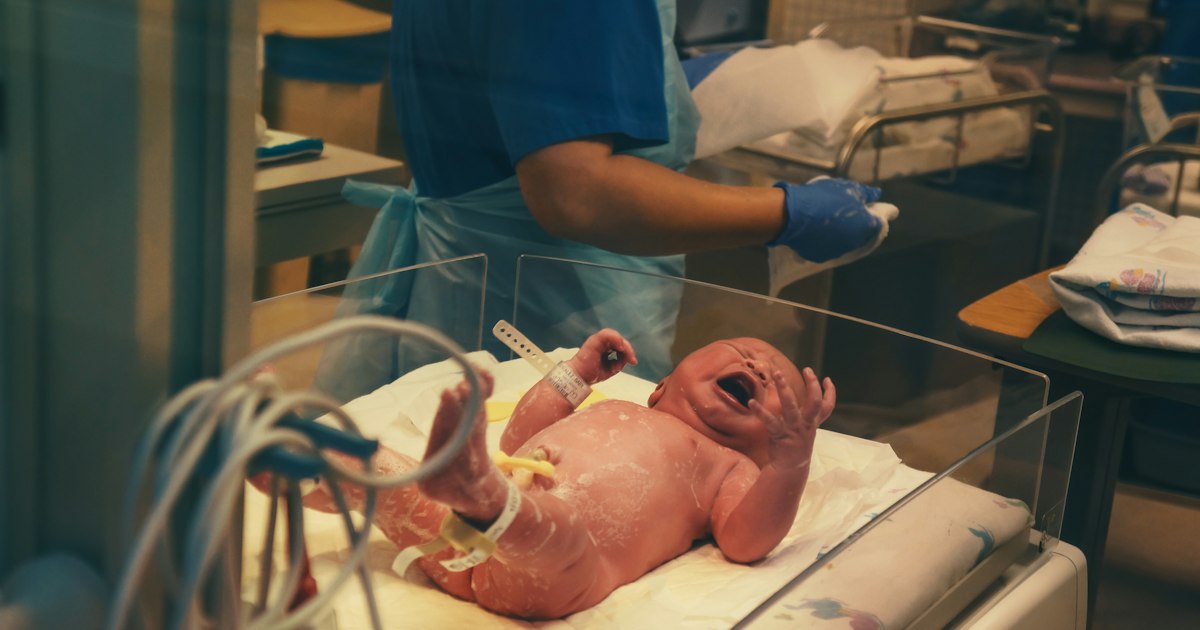
Ohio does cap noneconomic damages in medical claims under R.C. 2323.43, but the statute contains an exception for the most catastrophic injuries, including permanent and substantial physical functional losses that severe birth injuries frequently involve. Economic damages, such as a lifetime care plan, are handled separately from those caps. The goal of a well-built claim is not a number on a page; it is a secure foundation for a child who will need support for decades.
Birth injury cases are among the most complex in Ohio civil law. They turn on minute-by-minute readings of a monitor, on competing medical opinions, and on deadlines that give families little room for delay. That is why they belong in the hands of attorneys who understand both the medicine and the courtroom. You can learn more about our work on Cleveland medical malpractice claims, catastrophic brain injuries, and wrongful death losses, or read about Daniel J. Ryan and his decades representing injured Ohioans.
Frequently Asked Questions
What is the difference between a birth injury and a birth defect?
How long do I have to file a birth injury claim in Ohio?
Is cerebral palsy always caused by medical negligence?
What is an affidavit of merit and why does my case need one?
Does Ohio cap the money my family can recover?
What will a birth injury lawyer cost me up front?
Talk With a Cleveland Birth Injury Lawyer Today
If your child was harmed during labor or delivery, you deserve honest answers about what happened and whether it could have been prevented. At Ryan Injury Attorneys, we review the records, consult trusted medical experts, and stand with Cleveland families through every step. Your consultation is free and confidential, and you owe nothing unless we recover for you.
Call (216) 777-RYAN for your free consultation, or contact us online.