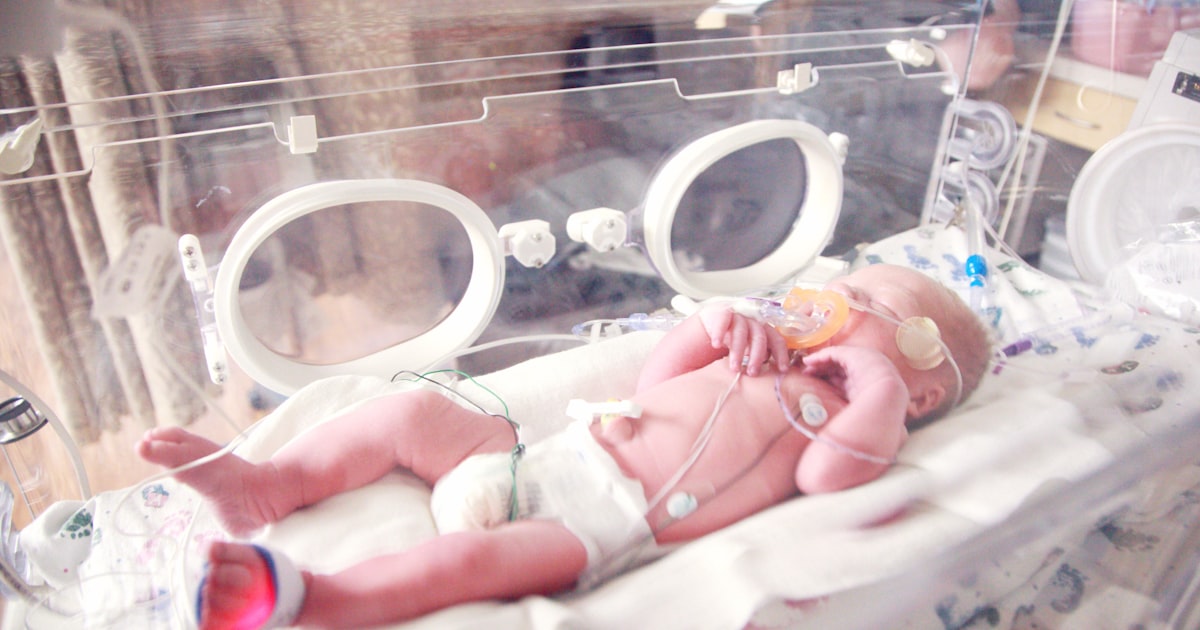

Few moments carry more hope than the birth of a child. When something goes wrong during pregnancy, labor, or delivery, that hope can turn into fear and a lifetime of questions. Families across Cleveland and Cuyahoga County who are facing a birth injury deserve clear answers about what happened and about the rights Ohio law gives them. This guide walks through how birth injury cases work in Ohio in 2026, what deadlines apply to a child’s claim, and where to turn for help.
What Counts as a Birth Injury in Ohio
A birth injury is harm to a baby or mother that happens because of what occurs before, during, or shortly after delivery. Some birth injuries are unavoidable, even with excellent care. Others are the result of preventable mistakes by doctors, nurses, or hospital staff. Common birth injuries that lead to legal claims include cerebral palsy, hypoxic ischemic encephalopathy (a brain injury caused by oxygen deprivation), brachial plexus injuries such as Erb’s palsy, skull fractures, and injuries from the improper use of forceps or a vacuum extractor.
Not every difficult birth is the basis for a lawsuit. Ohio law focuses on whether the medical team met the accepted standard of care. When a provider fails to do what a reasonably careful provider would have done, and a baby is harmed as a result, that failure can be the foundation of a medical malpractice claim.
The Numbers Behind Ohio’s Birth Outcomes
The context in Northeast Ohio is sobering. In the March of Dimes 2025 Report Card, Ohio received a grade of D, with a preterm birth rate of roughly 11 percent. Ohio’s infant mortality rate, about 7.2 deaths per 1,000 live births, remains among the highest in the country. In the city of Cleveland the picture is worse still, with an infant mortality rate reported at 13.6 deaths per 1,000 live births, far above both the statewide figure and Cuyahoga County’s overall rate of about 8.8. Researchers have repeatedly tied these outcomes to systemic problems, including gaps in health care access, poverty, and racial disparities, with Black mothers in Ohio experiencing markedly higher preterm birth rates than white mothers.
These statistics do not prove that any single injury was caused by negligence. They do show why careful monitoring and timely intervention matter so much. National data reviewed by researchers suggests that a large share of birth injuries, by some estimates around 80 percent, may be preventable with proper monitoring and prompt action, and that brain injury or cerebral palsy is involved in a significant portion of birth injury malpractice claims. When a baby suffers a lifelong condition such as cerebral palsy, the Centers for Disease Control and Prevention has estimated the lifetime cost of care can exceed 1.6 million dollars, and that figure does not capture the emotional toll on a family.
When a Birth Injury Becomes Medical Malpractice
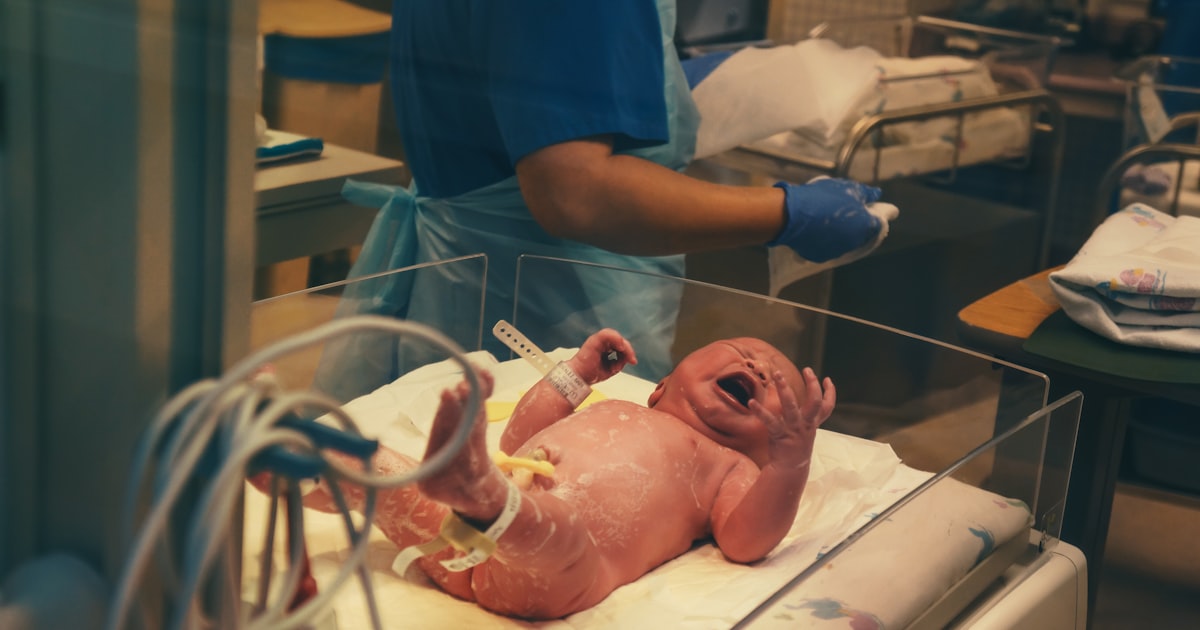
To pursue a claim in Ohio, a family generally must show that a medical provider owed a duty of care, breached that duty by acting below the accepted standard, and caused harm as a result. In birth injury cases, the alleged failures often involve the hours of labor and delivery. Examples that Ohio families raise include failing to monitor or respond to signs of fetal distress on the electronic monitor, delaying a medically necessary cesarean section, misusing labor-inducing medication, mismanaging a mother’s high blood pressure or preeclampsia, and failing to detect or treat oxygen deprivation.
Proving these claims takes more than hindsight. Ohio requires expert medical testimony to establish the standard of care and to connect a provider’s conduct to the child’s injury. That is why gathering the complete labor and delivery records, the fetal monitoring strips, and the newborn’s hospital chart early is so important. Cleveland is home to major delivery hospitals, and the records from those institutions are often detailed and technical, which is exactly why experienced counsel and qualified experts are needed to review them.
Ohio’s Deadlines for a Birth Injury Claim
Deadlines are one of the most misunderstood parts of birth injury law, and missing one can end a case before it starts. Ohio treats birth injury cases as medical claims. Under R.C. 2305.113(A), a medical claim generally must be filed within one year of when the injury was or should have been discovered. Ohio also imposes a four-year statute of repose under R.C. 2305.113(C), which can bar many claims filed more than four years after the negligent act, regardless of when the harm was discovered.
Because the injured patient in a birth injury case is a child, Ohio’s minority tolling statute, R.C. 2305.16, can extend certain deadlines for a minor. The way that tolling interacts with the medical statute of repose is complex and has been the subject of litigation in Ohio, so no family should assume they have years to act. If the injury tragically results in a death, a separate wrongful death claim under R.C. 2125.02 generally carries a two-year deadline. The timeline below illustrates how these periods can overlap.
The single most important takeaway is this: do not wait to find out where you stand. Speaking with a lawyer early costs nothing at Ryan Injury Attorneys and preserves your options while records are still fresh and witnesses still remember what happened.
Damages Available to Ohio Birth Injury Families
When a birth injury claim succeeds, Ohio law allows recovery designed to meet the child’s needs for a lifetime. Economic damages can include the cost of future medical care, therapy, assistive equipment, home modifications, and lost earning capacity. A detailed life care plan, prepared with medical and economic experts, often forms the backbone of these cases because a child with cerebral palsy or a serious brain injury may need support for decades.
Non-economic damages address pain, suffering, and loss of the normal enjoyment of life. Ohio caps non-economic damages in many cases under R.C. 2315.18, but the statute contains an exception for catastrophic injuries, including permanent and substantial physical deformity and injuries that prevent a person from caring for themselves independently. Many severe birth injuries fall within that exception, which means the standard cap may not apply. Every case is different, and only a careful review of the facts can determine what a particular family may be able to recover.

How Ryan Injury Attorneys Helps Cleveland Families
Birth injury cases are among the most demanding in all of personal injury law. They require a firm that will invest in the medical experts, the records review, and the trial preparation these cases need. Our team has spent decades standing up for injured Ohioans, and we approach every family with the compassion this moment deserves. We handle the investigation, work with respected medical experts, and manage the deadlines so that parents can focus on their child.
If you have questions about a difficult delivery, you can learn more about our work on our Cleveland medical malpractice and Cleveland brain injury pages, and about founding attorney Daniel J. Ryan and his more than fifty years in the courtroom. When a birth injury takes a child’s life, our Cleveland wrongful death team is here as well.
Frequently Asked Questions
How do I know if my child’s birth injury was caused by malpractice?
How long do I have to file a birth injury claim in Ohio?
What is cerebral palsy and can it result from a birth injury?
Are there caps on the money my family can recover?
How much does it cost to hire a birth injury lawyer?
What should I do first if I suspect a birth injury?
Talk With a Cleveland Birth Injury Lawyer Today
If your family is facing the aftermath of a birth injury, you do not have to sort through the questions alone. Ryan Injury Attorneys offers a free, no-pressure consultation to review what happened and explain your options under Ohio law. Call us at (216) 777-RYAN or reach out through our contact page. There is no fee unless we win.