

For years, car and truck crashes were the injuries that filled Cleveland's trauma bays. That has changed. Across Northeast Ohio, falls have now overtaken traffic collisions as the leading cause of serious trauma, and the number of traumatic falls recorded statewide grew by roughly 60 percent between 2018 and 2024. Starting in 2022, falls passed traffic and transportation crashes as the top type of injury that Cleveland EMS transported. As the first hard freezes settle over Cuyahoga County and darkness swallows the evening commute, the risk of a serious blow to the head climbs with it.
A traumatic brain injury, whether from an icy sidewalk in Ohio City, a highway collision on I-90, or a fall in an understaffed nursing home, can change a family's life in a moment. This guide explains why these injuries are rising, what Ohio law allows victims to recover, and how the trial attorneys at Ryan Injury Attorneys build strong brain injury cases.
Why Brain Injuries Are Rising in Northeast Ohio
Two forces are pushing head injuries up in our region. The first is our aging population. Adults over 65 have outnumbered children under 18 in Northeast Ohio since 2023, and the number of residents over 65 grew by more than 100,000 between 2010 and 2024. Older adults fall more often, and their injuries tend to be more severe. As the brain naturally shrinks with age, it becomes more vulnerable to bleeding after a head impact, and the blood thinners many older patients take raise that bleeding risk even further. Local trauma systems have responded by lowering the age at which EMS considers taking a patient to a trauma center from 70 to 65.
The second force is the Cleveland winter. Freezing rain, black ice, and early sunsets turn ordinary errands into hazards. A fall on an unsalted apartment walkway or a crash on a slick stretch of I-480 can cause the same kind of closed head injury that a high-speed collision does. When another party's carelessness contributes to that fall or crash, Ohio law may allow the injured person to hold them accountable.
What Counts as a Traumatic Brain Injury
A traumatic brain injury, or TBI, is any disruption of normal brain function caused by a bump, blow, or jolt to the head. These injuries range from mild concussions to severe, life-altering trauma. They are more common than most people realize. The Cleveland Clinic estimates that between one and three million people visit emergency rooms each year with a concussion, the mildest form of TBI, and that number is rising toward three million annually. Adults 75 and older now account for nearly a third of TBI-related hospitalizations, largely because of falls.
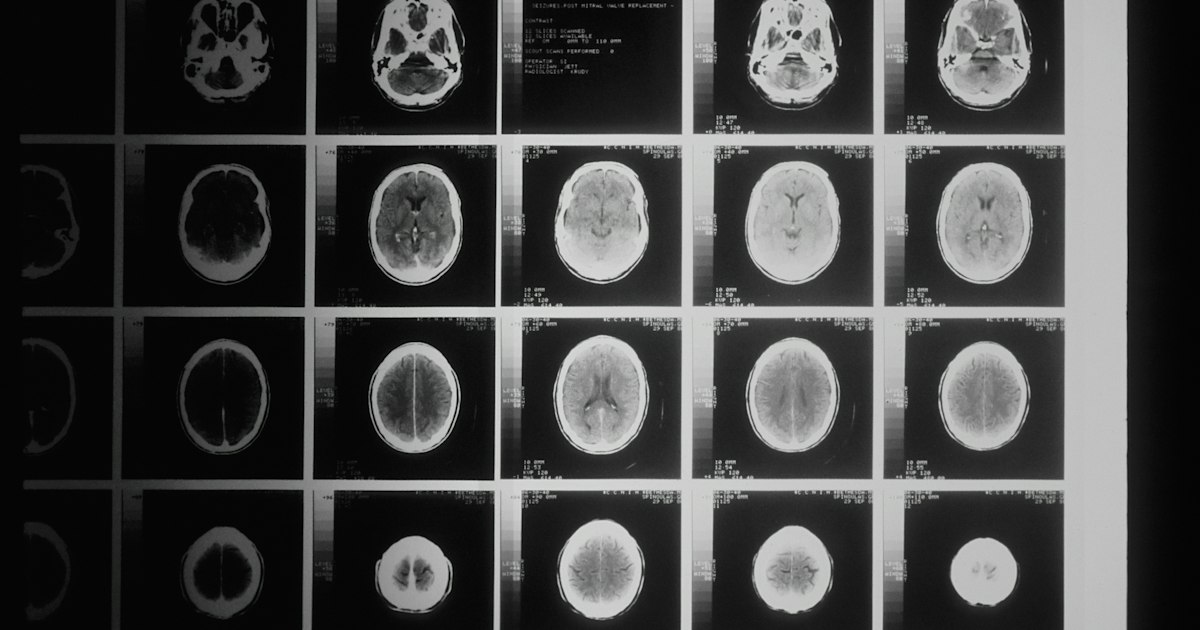
Brain injuries are often called invisible injuries because the damage does not show up the way a broken bone does. Symptoms can include persistent headaches, dizziness, memory loss, trouble concentrating, personality changes, depression, and sensitivity to light and sound. They may not appear until hours or days after the event, and they can last months or years. That hidden quality is exactly why insurance companies fight these claims, and why careful documentation matters so much.
How Ohio Law Protects Brain Injury Victims
Ohio gives injured people several tools to recover, but each comes with strict rules. The core deadline is the two-year statute of limitations for personal injury under R.C. 2305.10. Miss it, and the right to sue is usually lost forever. When the injured person is a minor or is of unsound mind, R.C. 2305.16 can pause, or toll, that clock until the disability ends. If the injury was caused by a hospital or medical provider, for example a missed brain bleed in the emergency room, the shorter one-year medical-claim period in R.C. 2305.113 may apply, along with an affidavit of merit requirement.
Fault is governed by comparative negligence under R.C. 2315.33. An injured person can recover as long as they are not more than 50 percent at fault, with any award reduced by their share of responsibility. For falls, Ohio's natural accumulation doctrine generally limits a property owner's duty for ordinary ice and snow, but exceptions exist when the owner created an unnatural hazard, had notice of a hidden danger, or assumed a duty to clear the area. When the at-fault party is a city, county, or other public entity, R.C. Chapter 2744 provides political-subdivision immunity with narrow exceptions and shorter notice windows, which makes early legal help critical.
Proving a Brain Injury Claim
Because a brain injury is often invisible, proof is everything. Strong cases are built on prompt imaging such as CT scans and MRIs, neuropsychological testing that measures cognitive changes, detailed medical records, testimony from family and coworkers about how the person has changed, and a life-care plan that projects future treatment costs. The steps you take in the first days after an injury can determine whether a claim succeeds. The timeline below shows the general path.
We work with treating physicians, neurologists, vocational experts, and economists to show the full picture of what a client has lost, and we move quickly to preserve evidence such as surveillance video and vehicle data before it disappears.
What a Brain Injury Claim Can Recover
Ohio law allows recovery for both economic and noneconomic harm. Economic damages include past and future medical care, rehabilitation, in-home assistance, lost wages, and diminished earning capacity. Noneconomic damages compensate for pain, cognitive loss, and the loss of life's enjoyment. Severe brain injuries frequently qualify for the catastrophic exception to Ohio's noneconomic damage cap under R.C. 2315.18, because they cause permanent injuries that prevent a person from living independently.
Valuing future harm has become even more important recently. The federal Traumatic Brain Injury Act expired in 2024, and a reauthorization has not yet passed, leaving many survivors with fewer public resources for research and support. At the same time, researchers are finding that traumatic brain injury and later neurological disease may be linked, which is why a claim must account for a lifetime of care rather than just the first hospital bill.

Common Causes of Brain Injuries We See in Cleveland
Our team handles brain injury claims arising from many situations across Cuyahoga County and the surrounding region. The most common include falls on ice and poorly maintained property, car and truck crashes on highways like I-90, I-71, and I-480, nursing home falls caused by inadequate supervision, workplace and construction incidents, assaults tied to negligent security at apartments and parking garages, and youth and recreational sports. Whatever the cause, the question is the same: did someone else's negligence lead to the injury, and can that be proven.
If you are not sure whether you have a case, that is exactly the kind of question a free consultation answers. You can learn more about our work on our Cleveland brain injury page, our Cleveland car accident page, and our Cleveland nursing home abuse page.
Frequently Asked Questions
How long do I have to file a brain injury lawsuit in Ohio?
I slipped on ice in a parking lot. Can I still recover for a brain injury?
My symptoms did not appear until days after the injury. Do I still have a claim?
What if I was partly at fault for the accident?
Are there limits on how much a brain injury claim can recover?
What does it cost to hire Ryan Injury Attorneys?
Talk to a Cleveland Brain Injury Lawyer Today
A traumatic brain injury affects every part of life, and the deadlines to act are shorter than most people expect. The attorneys at Ryan Injury Attorneys, led by Thomas P. Ryan, have the trial experience to stand up to insurers and demand the full value of your claim. Your first consultation is free and confidential, and you pay no fee unless we recover for you.
Call (216) 777-RYAN today, or contact us online to get started.