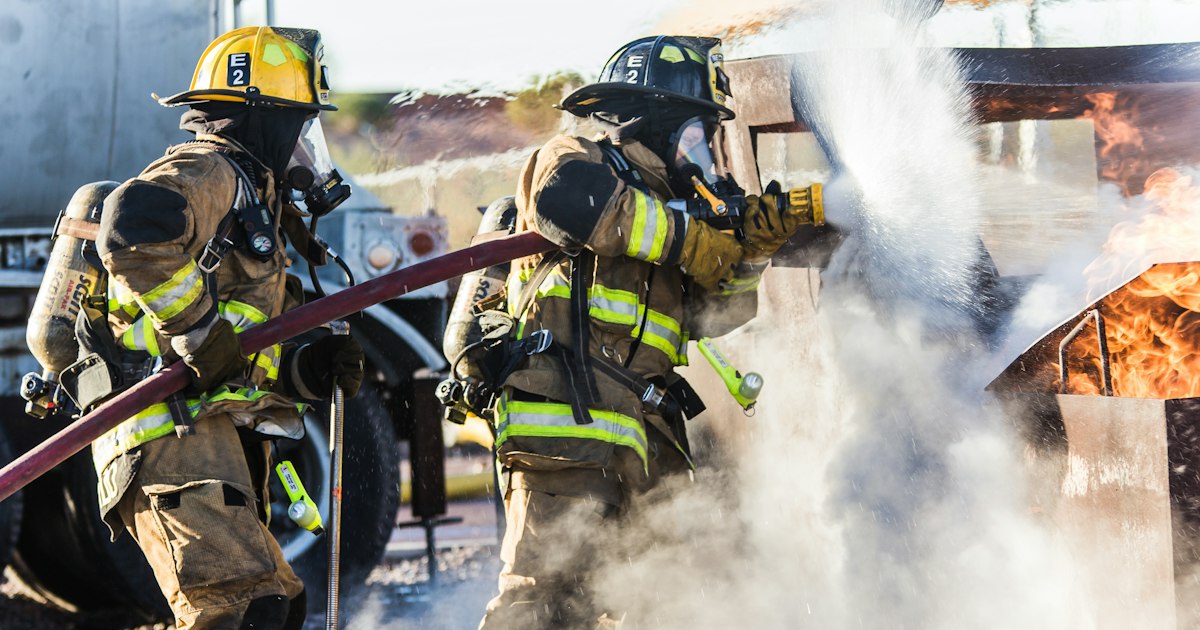

Cleveland winters arrive early and stay late, and every year the first hard cold snap brings the same spike in fire calls. The Ohio State Fire Marshal has put the pattern plainly: as the temperature drops, the risk of fire goes up. Roughly 46 percent of home heating equipment fires happen between December and February, and space heaters alone were blamed for 108 fires across Ohio in a single recent year. This past February, Cleveland firefighters battled two space heater fires in less than 24 hours, one of which caused about 85,000 dollars in damage and forced a family with three children out of their home.
Behind those numbers are people with life altering burn injuries. Burns are among the most painful and expensive injuries a person can suffer, often requiring skin grafts, months of wound care, and permanent scarring. If your burn happened because someone else was careless, or because a product failed the way it should not have, Ohio law gives you the right to seek full compensation. This guide explains how burn injuries happen during our heating season, who can be held responsible, and what Ohio law says about your deadlines and your recovery.
How Burn Injuries Happen in Cleveland During Heating Season
When furnaces, fireplaces, and portable heaters come back on across Cuyahoga County, the hazards multiply. The most common heating season burn injuries we see involve a handful of recurring causes.
Portable space heaters are the biggest culprit. Fire officials warn that heaters should sit at least three feet from anything that can burn and should plug directly into a wall outlet, never into an extension cord or power strip. In the second Cleveland fire this February, investigators found heaters plugged into power strips and extension cords that overheated. Older furnaces and water heaters can leak carbon monoxide or ignite nearby storage. Ohio fire departments responded to 1,786 carbon monoxide incidents in a single winter, a reminder that heating hazards are not only about flames.
Fireplaces and wood stoves cause burns when flues are not cleaned, when screens are missing, or when embers are dumped before they cool. Defective appliances cause scald and flame burns when a tip over switch fails or a water heater thermostat runs too hot. And in older Cleveland rental housing, outdated wiring, missing smoke alarms, and blocked exits turn a small fire into a catastrophe.
Who Can Be Held Liable for a Burn Injury in Ohio
One of the first questions after any fire is who was responsible. Burn cases often involve more than one at fault party, and identifying each of them is central to a full recovery.
Landlords and Property Owners
Ohio law requires landlords to keep rental property safe. Under R.C. 5321.04, a landlord must comply with applicable building, housing, and safety codes and keep common areas in a safe condition. When a landlord ignores dangerous wiring, fails to maintain working smoke alarms required by local housing codes, or blocks a required exit, and a tenant is burned as a result, the landlord can be held liable under ordinary premises liability principles. Property owners outside the rental context owe similar duties to lawful visitors.
Product Manufacturers and Sellers
When a heater, water heater, electric blanket, or wiring component fails, the Ohio Product Liability Act, R.C. 2307.71 and the sections that follow, may apply. A product can be defective in three ways: in its manufacture, in its design, or because of inadequate warnings. A space heater that lacks a working automatic shutoff, or a water heater that delivers scalding water without a clear warning, can expose the manufacturer and the seller to liability for the burns that follow.
Other Negligent Parties
Contractors who install heating systems improperly, maintenance companies that skip required inspections, and utilities that mishandle gas service can all share responsibility. In a fatal fire, Ohio law allows the family to bring a wrongful death claim under R.C. 2125.02 against any party whose negligence caused the death. Our Cleveland wrongful death lawyers handle these claims for grieving families.
What Ohio Law Says About Your Deadlines and Your Recovery
Burn cases are won or lost on evidence that disappears quickly, so the timeline matters. The chart below shows the critical points in a typical Ohio burn injury claim.
In Ohio, you generally have two years from the date of injury to file a personal injury lawsuit under R.C. 2305.10. A wrongful death claim after a fatal fire carries its own two year deadline under R.C. 2125.02. When the burn victim is a child, R.C. 2305.16 can pause the clock until the child reaches adulthood, though evidence still needs to be preserved right away. Claims against a city, county, or other public entity can carry shorter notice requirements, so these cases should be reviewed promptly.
Your compensation can include economic damages such as emergency treatment, surgeries, skin grafts, future care, lost wages, and reduced earning capacity, along with noneconomic damages for pain, disfigurement, and the emotional toll of a serious burn. Ohio caps most noneconomic damages under R.C. 2315.18, but that cap does not apply when the injury is a permanent and substantial physical deformity, as provided in R.C. 2315.18(B)(3). Severe burns that leave lasting scarring or disfigurement frequently qualify for that exception, which is one reason experienced counsel matters in these cases. Ohio also follows a comparative negligence rule under R.C. 2315.33: you can recover as long as you were not more than fifty percent at fault, with your award reduced by your share.
How a Cleveland Burn Injury Lawyer Builds Your Case
The single most important step after a burn injury, after getting medical care, is preserving the evidence. The heater, appliance, or wiring that started the fire is often the key to the case, and it must be kept without alteration so that engineers can examine it. We work with cause and origin investigators, electrical and mechanical engineers, and burn care physicians to show exactly what failed and what it will cost to put a client's life back together. Severe burns often accompany other catastrophic harm, and our Cleveland catastrophic and brain injury team is ready when a case involves more than one serious injury.
We also move quickly to obtain the official fire report, photograph the scene, and identify every insurance policy that may apply, including homeowner, renter, landlord, and product liability coverage. Insurers often reach out early with a recorded statement request or a quick settlement offer. Those offers rarely reflect the true cost of a serious burn, which can unfold over years. Having a lawyer involved before you give any statement protects both your health and your claim.
Frequently Asked Questions
How long do I have to file a burn injury lawsuit in Ohio?
Who can be held responsible for a space heater or apartment fire?
Can I sue the maker of a defective heater or water heater?
Does Ohio cap the money I can recover for a severe burn?
What should I do right after a burn injury?
What if I was partly at fault, for example by using an extension cord?
Talk With a Cleveland Burn Injury Lawyer
If you or someone you love was burned in a fire, heater failure, or scalding incident, you do not have to sort out the liability and the insurance alone. Ryan Injury Attorneys offers a free, no obligation consultation, and you pay nothing unless we recover for you. Our office serves clients across Cleveland and throughout Ohio.
Call (216) 777-RYAN today, or contact us online for your free consultation.
This article is general information about Ohio law, not legal advice, and it does not create an attorney client relationship. Every case is different, and outcomes depend on the specific facts. For advice about your situation, speak with a licensed Ohio attorney. Reviewed by Thomas P. Ryan, Esq., Board Certified Civil Trial Advocate, National Board of Trial Advocacy.