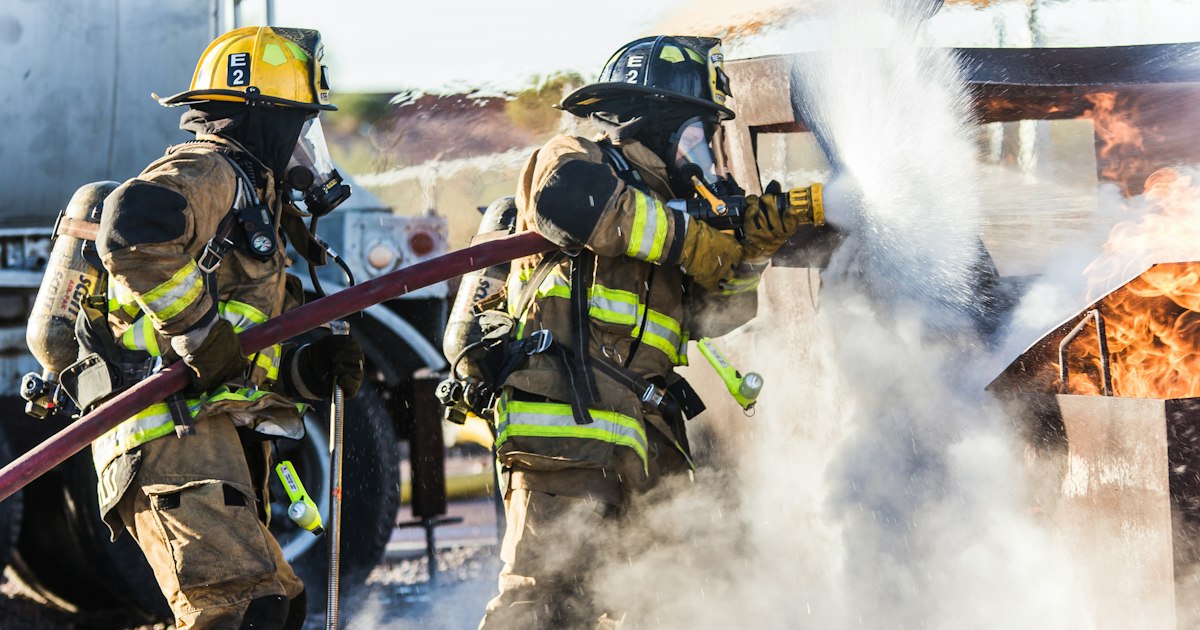

As the first hard freezes settle over Lake Erie and families across Greater Cleveland reach for space heaters, furnaces, and the Thanksgiving stove, the risk of a serious burn injury climbs sharply. The National Fire Protection Association reports that cooking is the leading cause of reported home fires, home fire injuries, and home fire deaths in the United States, and that Thanksgiving is by far the single worst day of the year for home cooking fires. Heating equipment adds a second danger once temperatures drop. For those who survive these fires, a burn can mean months in the hospital and a lifetime of change.
At Ryan Injury Attorneys, we represent burn and fire injury victims across Cuyahoga County and the surrounding communities. This guide explains why burns rise every winter in Northeast Ohio, who may be responsible, and how Ohio law protects you and your family after a fire.
Why Burn Injuries Spike Across Northeast Ohio Every Winter
Winter in Cleveland concentrates almost every common burn hazard into a few short months. As lake effect cold arrives, more people run space heaters, light fireplaces and wood stoves, and crowd the kitchen for the holidays, turning November through February into the most dangerous stretch of the year for fire and burn injuries.
Space heaters placed too close to bedding, curtains, or furniture are a leading cause of winter home fires. Overloaded outlets and extension cords strain under the load of heaters and holiday lights. Unattended cooking, especially deep fryers and crowded Thanksgiving stovetops, sends grease fires and scald burns to area emergency rooms. In older Cleveland housing, aging furnaces and outdated wiring make all of this worse.
Common Causes of Burn Injuries and Who May Be Responsible
Not every burn injury is simply an accident. Many fires trace back to someone else’s carelessness or to a dangerous product, and a single apartment fire can involve a negligent landlord, a defective heater manufacturer, and a property manager at once. The sources we investigate include landlords who ignore safety codes, makers of defective heaters and appliances, careless businesses, and others whose negligence starts a fire. When more than one party shares the blame, Ohio law lets you pursue each of them.
Landlord and Property Owner Liability Under Ohio Law
Tenants in Cleveland rentals are not left to fend for themselves. Under Ohio Revised Code section 5321.04, a landlord must comply with building, housing, and safety codes that materially affect health and safety, and must keep the premises fit and habitable. In practice, that can include working smoke alarms, safe wiring, and functioning heating. Ohio building code has required smoke detectors in residential construction built after July 1, 1979, and many local Cleveland ordinances require alarms in every sleeping area and on every level.
When a landlord ignores a reported hazard, fails to maintain smoke alarms, or lets dangerous wiring go unrepaired, and a fire follows, the landlord may be responsible for the resulting burns. Scald and burn injuries in nursing homes raise similar duties; you can read more about facility neglect on our page on nursing home neglect. Where a fire takes a life, families may also pursue a claim for wrongful death under R.C. 2125.02.
Defective Heaters, Appliances, and Lithium Battery Fires
Some of the worst winter fires start with a product that should have been safe. A space heater without an automatic shutoff, a furnace with a defective part, a recalled appliance, or a lithium battery in an e-bike that overheats and ignites can all support a product liability claim. Ohio’s Product Liability Act, at Ohio Revised Code section 2307.71 and the sections that follow, lets injured people hold manufacturers and sellers accountable for defective design, defective manufacturing, and inadequate warnings.
These cases turn on evidence. If you are burned by a product, do not discard it, and do not let an insurer or landlord take it. The heater or appliance itself, preserved as it was after the fire, is frequently the key to proving that a defect, rather than user error, caused the blaze. Smoke inhalation can also cause an oxygen starved, or anoxic, traumatic brain injury, so a full medical workup matters even when the visible burns seem limited.
The Lasting Toll of a Serious Burn Injury
Burns are among the most painful and medically complex injuries a person can suffer. Doctors classify them by depth: first degree burns affect only the outer skin, second degree burns reach deeper layers and blister, and third and fourth degree burns destroy the full thickness of the skin and can reach muscle and bone. Serious burns are typically treated at a regional burn center staffed for exactly these injuries.
Recovery can stretch across months or years and may require repeated skin grafts, surgeries to release tight scar tissue, infection control, and long physical and occupational therapy. Beyond the physical wounds, burn survivors frequently face permanent scarring and disfigurement, nerve damage, and serious emotional trauma. That pressure, piled on top of lost wages, is exactly what a well built injury claim is meant to address.
Deadlines and Key Steps After a Burn Injury in Ohio
Ohio law gives burn injury victims a limited window to act. The general statute of limitations for a personal injury claim is two years from the date of injury under Ohio Revised Code section 2305.10. Claims against a government entity, such as a public housing authority, can carry shorter notice deadlines and special immunity rules under R.C. Chapter 2744, so they demand prompt attention. The timeline below shows the key stages after a serious burn.
Act on each stage promptly: get medical care and document your injuries, make sure the heater, appliance, or wiring is preserved rather than repaired away or thrown out, evaluate any claim against a public agency early, and keep every receipt, bill, and record.

How Comparative Negligence Affects Your Recovery
Insurers often argue that a burn victim caused or worsened their own injury, for example by leaving a heater too close to bedding. Ohio follows a modified comparative negligence rule under Ohio Revised Code section 2315.33: you can recover if you are 50 percent or less at fault, with your award reduced by your share of the blame, but you recover nothing above 50 percent. Because insurers have a strong incentive to inflate your share of fault, an advocate who pushes back with real evidence can make a large difference.
Damages You May Be Able to Recover
A successful burn injury claim can cover far more than your first hospital bill. Recoverable damages may include past and future medical expenses, reconstructive surgery and rehabilitation, lost wages and lost earning capacity, pain and suffering, and permanent scarring and disfigurement. Especially reckless conduct may allow punitive damages, and a fatal fire can support a wrongful death claim for the family’s loss and funeral costs.
How a Cleveland Burn Injury Lawyer Can Help
Burn and fire cases are won on investigation. Our firm moves quickly to secure the scene, obtain fire marshal and fire department reports, preserve the suspected heater or appliance, consult fire origin and medical experts, and identify every responsible party. We handle the insurers so you can focus on healing and prepare every case as if it will go to trial. Led by Thomas P. Ryan, a Board Certified Civil Trial Advocate, our team brings decades of courtroom experience to Northeast Ohio burn victims and their families.
Talk With a Cleveland Burn Injury Lawyer for Free
If you or someone you love suffered a serious burn in a Cleveland area fire, you do not have to face the insurance companies alone. Ryan Injury Attorneys offers a free, no obligation consultation, and you pay no attorney fee unless we win your case. Call (216) 777-RYAN today, or contact us online, to learn how Ohio law protects you and your family.