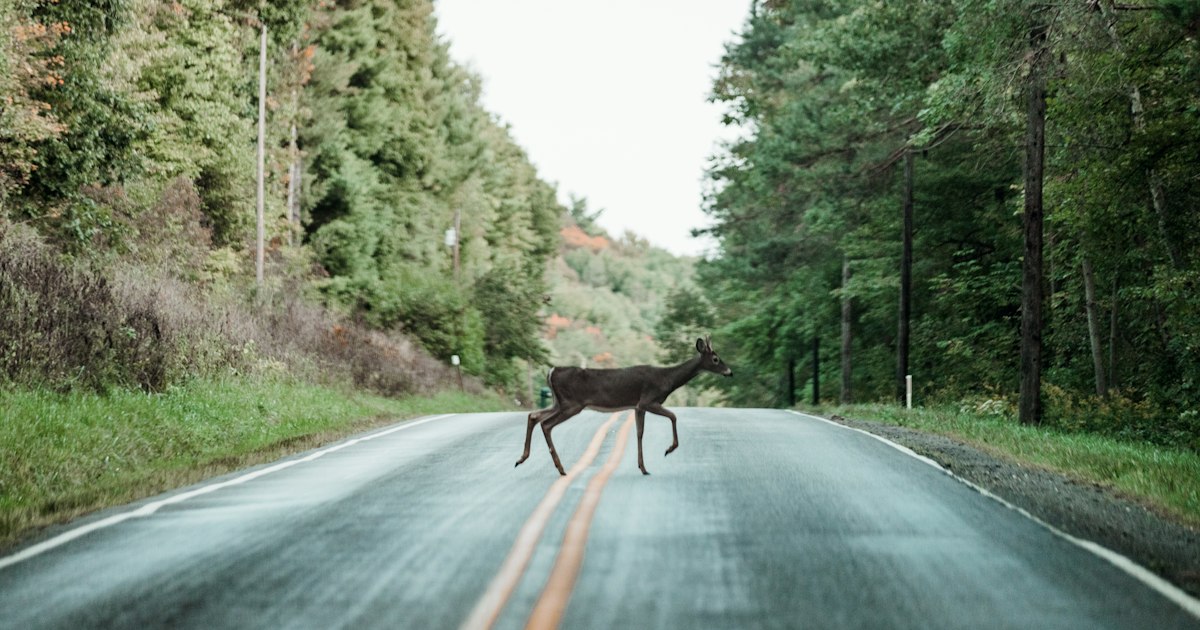

November is one of the most dangerous months on Ohio roads, and the reason has four legs. As the fall breeding season known as the rut sends bucks and does moving across highways and county roads at all hours, deer collisions spike sharply across Greater Cleveland and the rest of the state. If you or someone you love was hurt when a deer darted into traffic, or when another driver swerved to avoid one, you may have more legal and insurance options than you realize. At Ryan Injury Attorneys, we help Cuyahoga County families understand their rights and pursue the compensation they need to recover.
Why November Is Ohio's Peak Month for Deer Collisions
The Ohio State Highway Patrol has recorded more than 109,000 deer-related crashes since 2019, and in a single recent year drivers reported close to 20,000 of them. The timing is not random. About 47 percent of all deer crashes happen in October, November, and December, and November alone accounts for roughly 22 percent, more than any other single month of the year.
Time of day matters just as much as the calendar. Deer are most active at dawn and dusk, and the crash data follow the pattern closely: around a quarter of collisions occur between 5:00 and 8:00 a.m., and nearly a third between 6:00 and 10:00 p.m. The end of daylight saving time on November 1 pushed many evening commutes into full darkness, which only adds to the risk. Stark, Richland, Hancock, and Defiance counties report the highest crash totals statewide, but no Ohio county is spared. Drivers on Interstate 71, Interstate 480, and the rural routes winding through Geauga, Lake, and Medina counties all share the road with deer this time of year.
What to Do After a Deer Collision in Greater Cleveland
A deer collision happens in a fraction of a second, and what you do in the minutes and hours afterward can shape any claim you later bring. Ohio law requires drivers to report a crash that causes injury or significant property damage, and a police report creates an objective record that helps when you deal with an insurance adjuster. The checklist below walks through the steps that protect both your safety and your case.
Two points deserve special emphasis. First, get checked by a doctor even if you feel uninjured; adrenaline can mask serious harm, and brain and spine injuries sometimes take hours or days to reveal themselves. Second, do not give a recorded statement to any insurance company, including your own, before you understand your rights. An adjuster's first goal is to limit what the company pays.
Does Ohio Insurance Cover a Deer Collision?
This is the question we hear most often, and the answer surprises many drivers. When your vehicle strikes a deer directly, the damage is almost always covered under comprehensive coverage, not collision coverage. Comprehensive handles losses from animals, weather, fire, and theft. If instead you swerve and strike a tree, a guardrail, or another vehicle, that damage typically falls under collision coverage. Ohio does not require either comprehensive or collision; under R.C. § 4509.101, only liability coverage is mandatory. That is why so many single-vehicle deer crashes leave drivers paying out of pocket unless they carried the optional protection.
The costs add up fast. The average Ohio animal-strike insurance claim recently ran about $5,597, and crashes that cause injuries or involve a second vehicle cost far more. Uninsured and underinsured motorist (UM and UIM) coverage can be essential when another driver caused your wreck and then fled the scene or carried too little insurance to cover your losses.
When a Deer Crash Is Really Another Driver's Fault
Many crashes that look like simple deer accidents are nothing of the kind. A driver who swerves across the center line and hits you, a tailgater who rear-ends your car when you brake for a deer, or a phantom driver whose sudden maneuver triggers a chain reaction can all bear legal responsibility. In those situations, your claim is not really against the deer; it is against a negligent human being and that person's insurer.
Ohio follows a modified comparative negligence rule under R.C. § 2315.33. You can recover damages as long as you are not more than 50 percent at fault for the crash, though your recovery is reduced by your own share of the blame. The deadline to file most personal injury lawsuits in Ohio is two years from the date of the crash under R.C. § 2305.10, so waiting too long can end a valid claim before it begins. If a public entity's failure to maintain signage, roadside lighting, or overgrown brush contributed to the crash, a claim against that political subdivision may be possible, but those claims are tightly limited by the governmental immunity rules in R.C. Chapter 2744 and carry their own procedures and shorter notice expectations. That is one more reason to get legal advice promptly rather than guessing.
Injuries, Damages, and Wrongful Death
Motorcyclists face the gravest danger of all. Statewide, motorcycles are involved in only about 1 percent of deer crashes but roughly 80 percent of the fatal ones, because a rider has no steel cage to absorb the impact. For drivers and passengers alike, the head-on, rollover, and secondary collisions that follow a swerve can cause traumatic brain injury, spinal cord damage, broken bones, and death. Ohio law allows injured people to recover medical expenses, lost wages, the cost of future care, and compensation for pain and suffering. When a deer-related crash takes a life, surviving family members may bring a wrongful death claim under R.C. § 2125.02 to recover for their loss.
How a Cleveland Car Accident Lawyer Can Help
The hours after a serious crash are not the time to fight an insurance company alone. Our team moves quickly to preserve dashcam footage and roadway evidence before it disappears, identifies every insurance policy that might apply (including your own UM and UIM coverage), and handles the adjusters so you can focus on healing. We have guided Greater Cleveland families through car accident claims of every kind, from minor collisions to cases involving traumatic brain injury and wrongful death, and we are ready to help you understand your options. You can learn more about attorney Thomas P. Ryan and the rest of our trial team any time.
Frequently Asked Questions
Is a deer collision covered by my Ohio car insurance?
Do I have to report a deer accident to the police in Ohio?
Can I sue another driver after a deer-related crash?
How long do I have to file a car accident claim in Ohio?
Should I swerve to avoid hitting a deer?
What if the other driver fled after causing my crash?
Injured in a Cleveland Car Accident? We Are Here to Help.
If you were hurt in a deer-related or any other car accident in Greater Cleveland, you do not have to sort out the insurance questions alone. Ryan Injury Attorneys offers a free, no-obligation consultation, and you pay nothing unless we win your case. Call us today at (216) 777-RYAN or contact us online to tell us what happened.