
Cleveland Construction Accident Claims: How Ohio Law Protects Injured Workers in Winter 2026
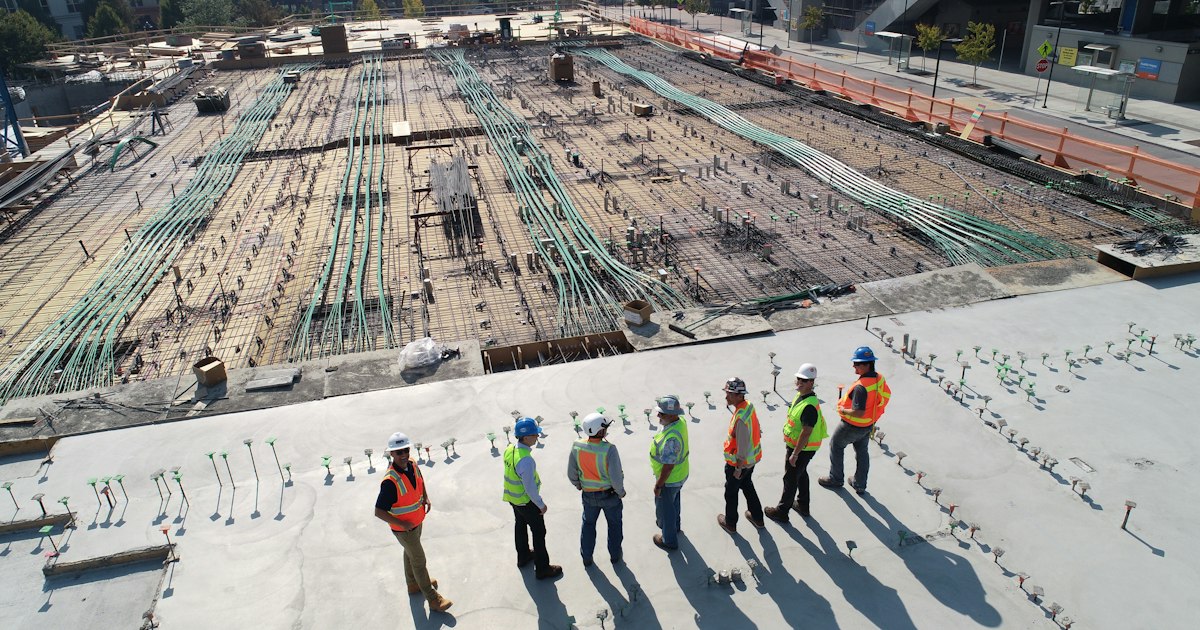
Construction built modern Cleveland, from the towers along Euclid Avenue to the highway interchanges that move Northeast Ohio every day. That work is also some of the most dangerous in the state. In October 2026, a crane operator died on the Brent Spence Bridge Corridor Project in Cincinnati when a boom lift shifted and fell, a loss now under review by federal safety investigators. It was a stark reminder that a single equipment failure can take a life in seconds. As winter settles in and crews push to finish projects before the holidays, the risks on local job sites climb even higher.
If you were hurt, or you lost a family member, on a construction site, Ohio law may give you more options than you realize. This guide explains how workers’ compensation, third-party claims, and product liability fit together, which deadlines control your case, and how an experienced Cleveland construction accident attorney can protect your recovery.
Why Cleveland Construction Sites Grow More Dangerous in Winter
Ohio recorded 165 fatal work injuries in 2024, the most recent year reported by the U.S. Bureau of Labor Statistics, and construction accounted for 21 of those deaths. Falls, slips, and trips caused 21 fatalities across all industries that year, and contact with objects and equipment caused 28 more. Those dangers only sharpen as the temperature drops. Ice forms on scaffolding, planks, and steel decking. Snow hides open holes and trip hazards. Shorter daylight pushes more work into darkness, and cold hands lose their grip on tools and controls while bulky gear limits movement near moving machinery.
Cleveland crews face all of this while racing year-end schedules. Lake-effect snow off Lake Erie can shut a site down one morning and leave a sheet of black ice the next. When a general contractor or site owner ignores those conditions, refuses to clear walkways, or keeps a crew working through a storm, people get hurt, and the law may hold the responsible party accountable.
Workers’ Compensation Is Only the Starting Point
Most injured construction workers in Ohio begin with the Bureau of Workers’ Compensation. Under R.C. Chapter 4123, workers’ compensation pays for medical treatment and part of your lost wages without requiring you to prove your employer did anything wrong. In exchange, the law generally makes workers’ compensation the exclusive remedy against your own employer, which usually means you cannot sue the company that signs your paycheck for ordinary negligence.
There is a narrow exception. Ohio’s employer intentional tort statute, R.C. 2745.01, allows a claim only when an employer acted with deliberate intent to injure, deliberately removed a safety guard from equipment, or deliberately misrepresented a toxic or hazardous substance. Courts read this statute strictly, so these claims are difficult to prove and demand a careful, prompt investigation. For many workers, though, the more important question is not the employer at all. It is who else was on that job site.
Third-Party Claims: Where Ohio Law Opens the Door
Construction sites are crowded places. A single project can involve a property owner, a general contractor, several subcontractors, equipment lessors, delivery drivers, and design professionals, all working for different companies. When one of those outside parties causes your injury through negligence, you can bring a third-party personal injury claim against them in addition to your workers’ compensation benefits. Unlike a workers’ compensation claim, a third-party claim can seek full compensation, including pain and suffering, the complete value of lost earnings, and the cost of future care.
Common third-party claims in Ohio construction cases include a subcontractor whose crew drops a load or leaves an opening unguarded, a property owner who conceals a known hazard, a negligent driver who strikes a worker in a highway work zone, and a company that fails to maintain shared scaffolding or a hoist. Sorting out which entity controlled the hazard takes fast work, because job sites change by the hour and crucial evidence can disappear within days.
When Defective Equipment Causes the Harm
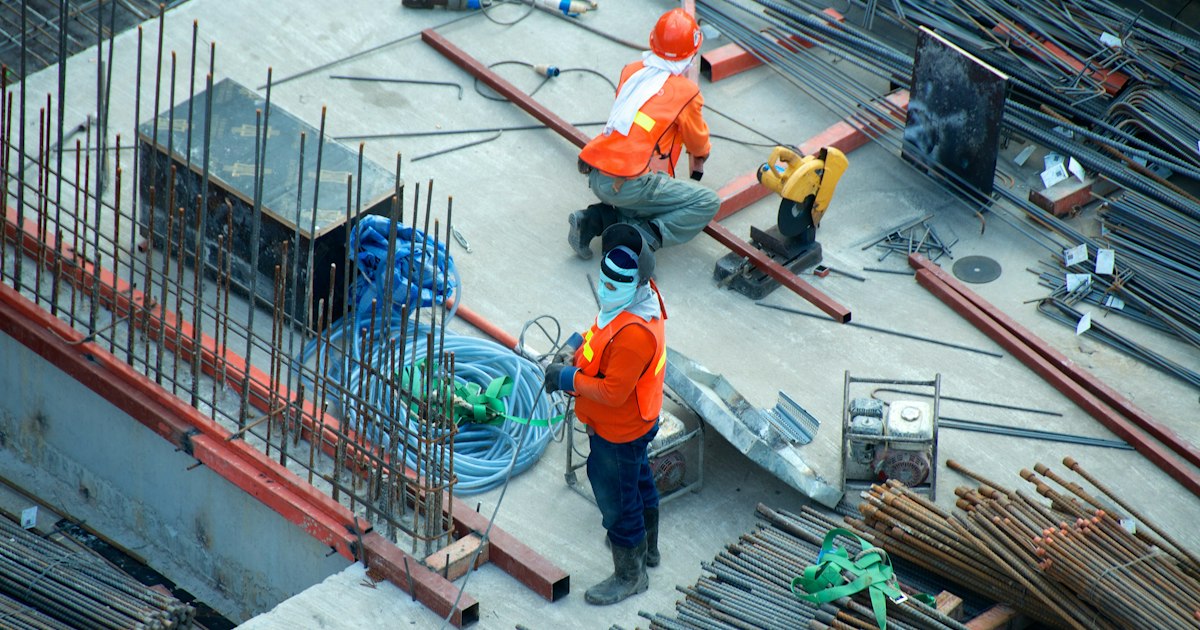
The Cincinnati crane collapse is a reminder that the machines themselves can fail. Cranes, aerial and boom lifts, scaffolding, nail guns, ladders, saws, and hoists all carry the potential for catastrophic injury when they are poorly designed, badly manufactured, or missing promised safety features. Ohio’s Product Liability Act, R.C. 2307.71 and the sections that follow, lets an injured worker hold a manufacturer or supplier responsible when a defective product causes harm. These cases often require engineers to inspect the equipment, so it is critical to preserve the machine, its parts, and its maintenance records before anything is repaired, returned to a lessor, or scrapped.
The Injuries That Change Lives
Construction falls and struck-by incidents rarely cause minor harm. Workers who survive often live with a traumatic brain injury, a spinal cord injury and paralysis, crushed limbs, severe burns from electrical contact, or internal organ damage. These injuries can mean months in the hospital, lifelong therapy, home modifications, and an inability to return to the trade. Our firm handles the most serious of these cases, including Cleveland brain injury claims that follow a fall or a blow to the head on the job. When a loved one does not survive, Ohio’s wrongful death law allows the family to seek justice through a Cleveland wrongful death claim.
What to Do After a Cleveland Construction Accident
The hours and days after a serious construction injury shape the entire case. Report the injury to your employer in writing as soon as you can, and get medical care immediately, following through on every recommended treatment. If it is safe to do so, photograph the scene, the equipment, and the conditions, and write down the names of everyone present. Keep any damaged gear or clothing. Do not give a recorded statement to an insurance company, and do not sign anything, before you speak with a lawyer. Work zones that involve highway traffic deserve special attention; if a passing vehicle or commercial truck was involved, a Cleveland work zone truck claim may run alongside your other options.
Deadlines You Cannot Afford to Miss
Ohio sets firm time limits. For injuries on or after September 29, 2017, a workers’ compensation claim generally must be filed within one year of the date of injury. A third-party personal injury lawsuit generally must be filed within two years under R.C. 2305.10, and a wrongful death action within two years under R.C. 2125.02. If a public agency or political subdivision is involved, such as a state highway or bridge project, additional notice requirements and immunity defenses under R.C. Chapter 2744 can apply, and some deadlines are shorter. Missing a deadline can end an otherwise strong case, so the safest step is to speak with a lawyer quickly, while evidence is fresh and the clock still favors you.
Frequently Asked Questions
Can I sue if I am already receiving workers’ compensation?
Who can be held responsible for a construction accident in Ohio?
How long do I have to file a construction injury claim in Ohio?
What if a family member died in a construction accident?
What should I do first after a serious construction injury?
Does it cost anything to talk with a construction accident lawyer?
Talk With a Cleveland Construction Accident Attorney
If you or someone you love was hurt on a Cleveland construction site, you do not have to untangle workers’ compensation, insurers, and a web of contractors alone. Ryan Injury Attorneys offers a free, no-obligation consultation, and you pay nothing unless we recover for you. Call (216) 777-RYAN today, or reach us through our contact us page, to speak with attorney Thomas P. Ryan about your options. This article is general information about Ohio law, not legal advice, and every case turns on its own facts.