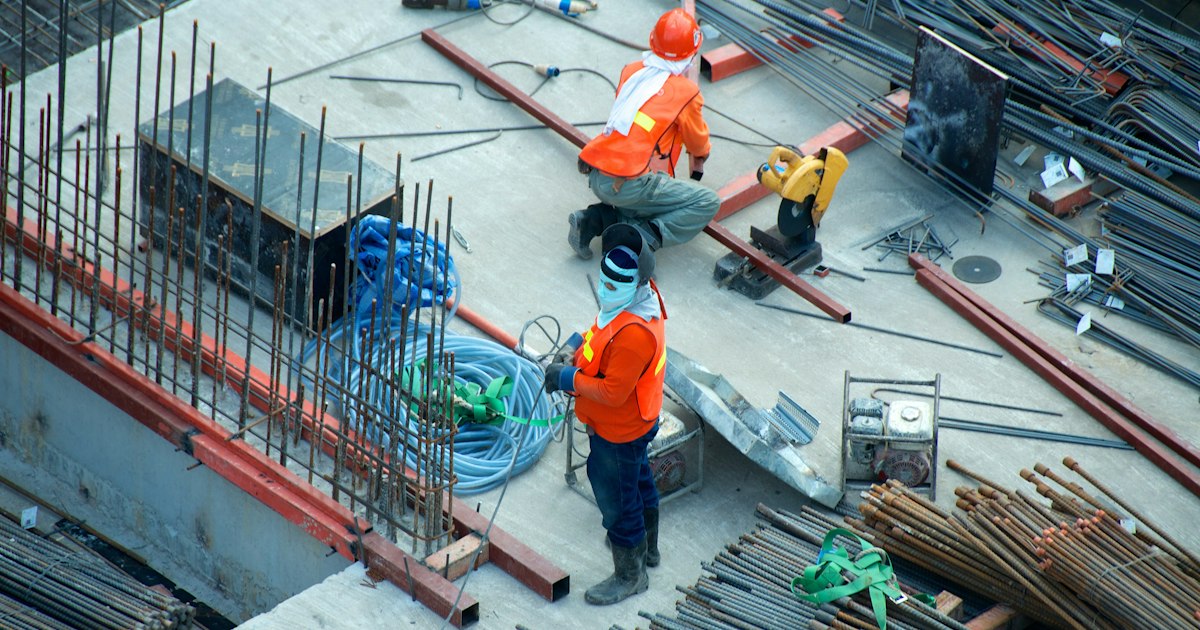

Fall is one of the busiest building seasons in Northeast Ohio. Crews race to close in projects before winter, ODOT road work stretches along I-480 and I-90, and cranes rise over downtown Cleveland. More work means more risk. When a worker is badly hurt on a Cleveland job site, the legal path forward is more complicated than a typical injury claim. This guide explains how Ohio law protects injured construction workers in 2026, who can be held responsible, and the deadlines that decide whether you keep your rights.
Construction Remains Ohio's Deadliest Kind of Work
Federal data continues to show why these cases matter. Falls from elevation caused about 370 construction worker deaths across the country in 2024, still the single largest cause of fatalities in the industry. In Ohio, the Bureau of Labor Statistics counted 165 fatal work injuries that same year. Behind every fatality are many more workers who survive with life changing injuries. On a busy fall site, the hazards stack up fast: unguarded roof edges, wet or icy scaffolding as temperatures drop, and heavy equipment moving in tight spaces.
Regulators point to the same recurring dangers year after year. Falls, being struck by objects, being caught in or between equipment, and electrocution account for the majority of construction deaths. Fall protection is also the most frequently cited safety violation, which shows how often basic safeguards are missing on real job sites.

Why a Construction Claim Is Different
Most workplace injuries in Ohio run through the workers compensation system. Under R.C. Chapter 4123, that system is a trade off. You receive benefits without having to prove that anyone was at fault, and in exchange you generally cannot sue your own employer for the accident. This is called the exclusive remedy rule. Workers compensation can pay for medical treatment and a portion of lost wages, but it does not pay for pain and suffering or the full value of a permanent injury.
There is a narrow exception. Ohio allows an employer intentional tort claim under R.C. 2745.01, but only when the employer acted with deliberate intent to injure the worker. Ohio courts read that standard strictly, so proving it is difficult and it rarely applies to ordinary safety failures. For most seriously injured construction workers, the real opportunity for full compensation lies somewhere else.
Third Party Claims Are Often the Key to Full Recovery
A construction site is rarely run by one company. A single project can involve a property owner, a general contractor, several subcontractors, an architect or engineer, equipment rental companies, and material suppliers. When a party other than your employer causes your injury through negligence, the exclusive remedy rule does not block a claim against that party. This is called a third party claim, and it can recover the full range of damages, including pain and suffering, disfigurement, and the long term cost of a disability.
Common third party theories on Ohio construction sites include a general contractor that failed to coordinate site safety, a subcontractor whose crew created a hazard that hurt someone else's worker, a property owner who concealed a dangerous condition, and the manufacturer of a defective ladder, lift, saw, or safety harness. A product claim against an equipment maker falls under Ohio product liability law, R.C. 2307.71 and following. The important point is that pursuing workers compensation and a third party claim at the same time is not only allowed, it is often the smartest strategy.
How the Two Paths Fit Together
Think of recovery after a construction injury as two lanes that can run side by side. The workers compensation lane moves first and fastest because it does not require proof of fault. It should be reported and opened right away so medical bills and wage benefits start flowing. The third party lane takes longer because it requires proof of negligence, but it is where the larger recovery usually comes from. When a third party claim succeeds, Ohio law gives the workers compensation system a right of subrogation, meaning a portion of what it paid may be repaid out of the recovery. An experienced lawyer manages that coordination so you are not left with a repayment surprise.
Injuries That Change Lives
The forces on a construction site are unforgiving. A fall of even a single story, a swinging load, or a collapsing trench can cause a traumatic brain injury, a spinal cord injury with paralysis, crush injuries, amputations, severe burns, or multiple fractures. Cleveland workers are often taken to trauma centers such as MetroHealth or University Hospitals, and the road back can involve surgery, rehabilitation, and permanent limits on work. If you are coping with a serious head injury, our overview for Cleveland brain injury cases explains how these damages are valued. When a construction accident takes a life, surviving family members may bring a wrongful death claim under R.C. 2125.02.
Deadlines You Cannot Afford to Miss
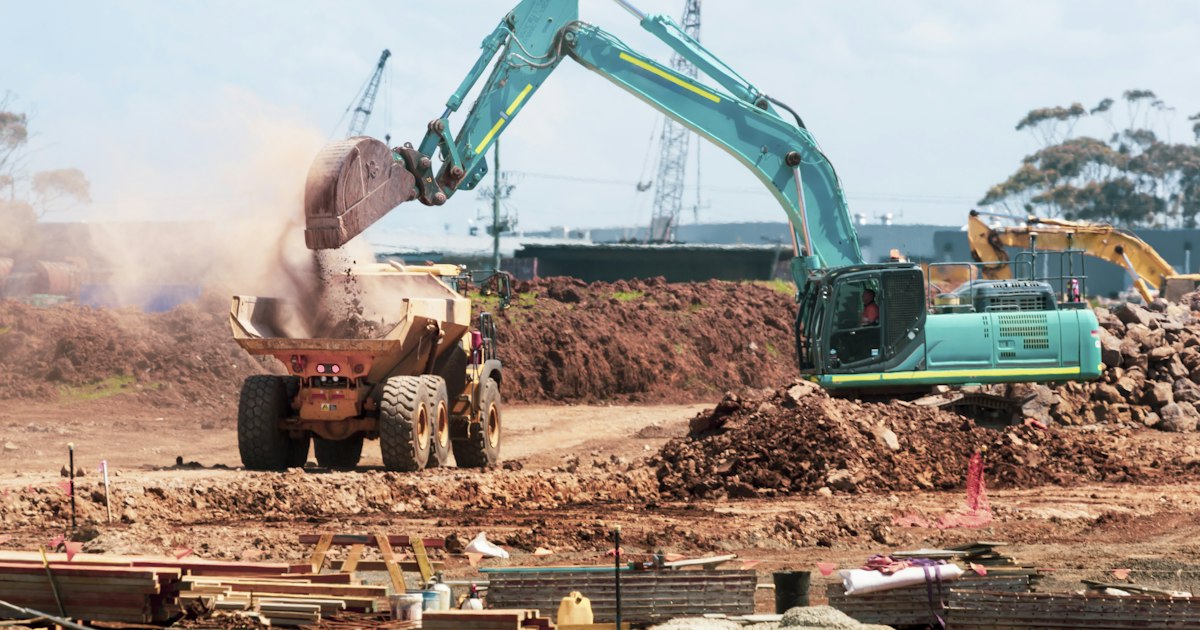
Timing decides cases. A third party personal injury claim in Ohio generally must be filed within two years of the injury under R.C. 2305.10, and a wrongful death claim carries its own two year period under R.C. 2125.02. Workers compensation has separate filing rules with the Ohio Bureau of Workers Compensation that are shorter and unforgiving, so the injury should be reported to your employer and the claim opened without delay. Evidence is just as time sensitive as the deadlines. Job sites change daily. Scaffolding comes down, equipment is repaired or returned, and the crews that witnessed the accident move on to other projects. The sooner the scene is documented and the responsible parties are identified, the stronger your case.
What To Do After a Cleveland Construction Accident
Report the injury to your employer in writing and get medical care immediately, even if the pain seems manageable at first. Keep copies of every record. If you can do so safely, photograph the scene, the equipment involved, and any missing guardrails or safety gear. Write down the names of other contractors and any witnesses. Be careful about giving recorded statements to insurers before you understand your rights, because early words can be used to shift blame onto you. Comparative fault matters here: under Ohio's modified comparative negligence rule you can still recover from a third party as long as you were not more than half at fault, though your share reduces the award.
Talk With a Cleveland Construction Accident Lawyer
Construction cases reward early, careful work. Preserving evidence, identifying every responsible company, and coordinating a workers compensation claim with a third party lawsuit takes experience that a routine injury claim does not require. At Ryan Injury Attorneys, we investigate the whole job site, not just the obvious facts, and we build cases with trial in mind. The consultation is free, and you pay nothing unless we recover for you. If you or someone you love was hurt on a Cleveland construction site, call (216) 777-RYAN or reach us through our contact page to speak with attorney Thomas P. Ryan and our team today.