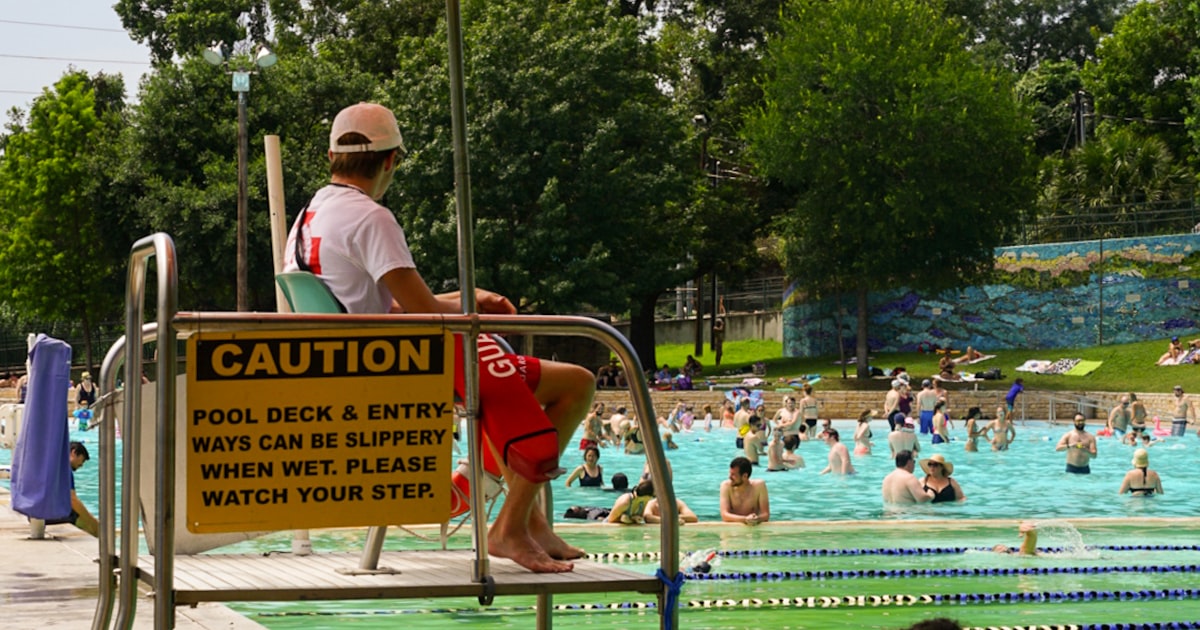

Every summer, Northeast Ohio families head for the water. Neighborhood pools open, apartment complexes unlock the gate, day camps run swim hours, and thousands of people gather along the Lake Erie shoreline from Edgewater Park to the East 55th Street Marina. Most of those days end well. A few do not, and the difference is often something ordinary: a gate that never latched, a lifeguard stand left empty, or a break wall with no signage about sudden drop offs.
If your family is living through the aftermath of a drowning or a near drowning, the legal questions can feel cold compared to what you are actually carrying. But they matter, because evidence disappears quickly and Ohio's deadlines are strict. This article explains when someone else may be legally responsible for a drowning in Ohio, how the claims work, and what a family can do first.
Drowning Is Still a Leading Danger for Ohio Children
Public health data consistently shows drowning among the leading causes of unintentional death for young children, and Ohio is no exception. Roughly half of Ohio child drowning deaths reviewed in recent years involved toddlers between one and four years old, and a large share of drowning deaths statewide occur in natural water rather than pools. Along the Great Lakes, the Great Lakes Surf Rescue Project has tracked roughly one hundred drownings a year across all five lakes, with Lake Erie accounting for a meaningful portion.
Cleveland has been expanding lakefront access, which is good for the city. It also means more people are entering water that behaves differently than a pool. Lake Erie is shallow, which lets wind build steep waves fast, and structures like break walls and piers generate currents that pull swimmers away from shore.

When Is Someone Legally Responsible for a Drowning?
Ohio drowning cases are usually premises liability cases, negligent supervision cases, or both. The core question is whether the person or business that controlled the water, or was responsible for supervising swimmers, failed to use reasonable care, and whether that failure led to the harm.
Property owners and pool operators
Ohio law asks property owners to keep their premises reasonably safe for people who are lawfully there. For a pool, that duty often shows up as concrete obligations: adequate fencing around the pool area, self closing and self latching gates that a small child cannot open, accurate depth markings, working drain covers, functioning lighting, and rescue equipment that is present and reachable. Public and semi public pools in Ohio are also subject to health department regulation and inspection.
Common failures include gates propped open for convenience, latches reported broken and never fixed, murky water that made it impossible to see a swimmer on the bottom, and pools left open with no supervision after posted hours.
Apartment complexes, hotels, and homeowners associations
A complex or hotel that offers a pool as an amenity takes on responsibility for maintaining it safely. If a management company knew a gate latch was broken or that unsupervised children routinely used the pool, and did nothing, that knowledge becomes central to the case. Maintenance tickets, tenant complaints, and inspection records are often the most important documents in the file.
Camps, daycares, swim programs, and event hosts
When an organization takes custody of children for the day, it accepts a duty to supervise them appropriately. In water settings that usually means adequate staff to child ratios, attentive lifeguards, headcounts, swim testing, and clear rules about who may enter deep water. Liability waivers signed by parents do not automatically end a claim in Ohio.
Public beaches, city pools, and park districts
Claims involving a city, a metropark, or a public school are different. R.C. Chapter 2744 gives Ohio political subdivisions broad immunity, with a limited set of exceptions. Recovery is sometimes still possible, for example where a physical defect on the grounds contributed to the harm. If a public entity may be involved, talk to a lawyer within weeks rather than months.
Children, Trespassing, and the Attractive Nuisance Rule
Families often assume that if a child was not invited onto the property, nothing can be done. Ohio recognizes a version of the attractive nuisance doctrine that can apply to child trespassers, and a swimming pool is a classic example, because a young child may be drawn to the water without understanding the danger. The doctrine generally requires that the owner knew or had reason to know children were likely to enter, that the condition posed an unreasonable risk of serious harm, that the child could not appreciate that risk, and that the burden of eliminating the danger was slight.
That last element is why fencing and gate hardware come up so often. A working latch costs very little compared to the harm it prevents.
Ohio Deadlines and the First Weeks
Ohio's general personal injury statute of limitations is two years under R.C. 2305.10. Wrongful death claims are governed by R.C. 2125.02 and generally carry a two year deadline from the date of death. If the injured person is a minor, R.C. 2305.16 can toll the clock, though that does not extend a family's wrongful death claim.
Deadlines are only half the picture. The practical problem is evidence. Pool chemical logs get discarded, staffing schedules are overwritten, and security video at a marina, park, or apartment complex is frequently recycled within days. Sending preservation letters early is often the single most valuable step in a drowning case.
What Families Can Do Now
Nobody should be expected to run an investigation while grieving or sitting in an intensive care unit at a Cleveland hospital. Still, a few things help, and any of them can be handled by someone acting on the family's behalf.
- Write down what happened while memories are fresh, including times and who was present.
- Collect names and phone numbers of witnesses before people scatter for the season.
- Photograph the scene: fencing, gate hardware, signage, depth markers, and rescue equipment.
- Keep copies of incident reports, EMS run sheets, and any written communication from the property or program.
- Ask a lawyer to send video and records preservation letters promptly.
- Avoid giving a recorded statement to an insurer before you have talked to counsel.

What a Drowning Claim Can Recover
In a non fatal drowning, the injuries are often neurological. Oxygen deprivation can cause lasting brain injury requiring years of therapy and, in serious cases, lifetime attendant care. Those cases overlap with the work our Cleveland brain injury lawyers do, including building a life care plan that reflects what care will actually cost over decades.
Where a drowning is fatal, Ohio's wrongful death statute allows eligible family members to recover for loss of support, loss of services, loss of companionship, and mental anguish, along with funeral expenses. Our Cleveland wrongful death attorneys handle the procedural side, including probate steps. You can read more on our Cleveland drowning accident page.
Prevention Still Matters Most
No settlement replaces a child. Layers of protection remain the best answer: four sided fencing with self latching gates, swim lessons, life jackets in open water, designated adult water watchers who are not on their phones, and attention to swim advisories before entering Lake Erie. Cleveland organizations have expanded free and low cost swim instruction in recent years, and those programs are worth seeking out.
Frequently Asked Questions
How long do I have to file a drowning claim in Ohio?
Can I sue if my child drowned at a friend or neighbor’s pool?
Does the attractive nuisance doctrine apply to swimming pools in Ohio?
Who is responsible for a drowning at an apartment complex pool?
What if the drowning happened at a public beach or city pool?
What damages can an Ohio family recover in a drowning case?
Talk With a Cleveland Drowning Accident Attorney
If your family lost someone or is caring for a loved one after a near drowning, you deserve straight answers about what happened and who was responsible. At Ryan Injury Attorneys, we investigate these cases carefully and handle them with the seriousness they deserve. Consultations are free, and we charge no fee unless we recover for you.
Call (216) 777-RYAN or contact us online for a free consultation. You can also learn more about Thomas P. Ryan, Esq..