

Autumn and the holidays bring Cleveland some of its best nights out, from Browns Sundays to Halloween gatherings and company parties downtown. They also bring more impaired drivers onto roads like I-90, I-71, I-77, I-480, and the Shoreway. The Ohio State Highway Patrol runs high visibility enforcement around these holidays for a reason, and it has reported that roughly three in ten OVI arrests involve repeat offenders. Hundreds of people are killed and thousands are hurt in alcohol related crashes across Ohio every year.
If a drunk driver has injured you or someone you love, you are likely facing hospital bills, missed work, and a long recovery. This guide explains how Ohio law treats these crashes, who can be held responsible, including in some cases the bar that over-served the driver, and the deadlines that matter.
Why Drunk Driving Crashes Climb in a Cleveland Fall and Winter
Impaired driving is a year round danger, but the calendar matters. Longer nights mean more driving in the dark. Festive weekends mean fuller bars and more people deciding they are fine to drive when they are not. Add early frost, wet leaves, and the first icy bridges of the season on the Innerbelt and the Valley View, and a driver who is slow to react becomes far more dangerous. These crashes fill Cuyahoga County emergency rooms every November and December.
A crash caused by impairment is rarely a simple fender bender. The same poor judgment that put the driver behind the wheel often means higher speeds and no braking, which is why these collisions so often cause brain injuries, spinal injuries, and death.
The Criminal OVI Case Will Not Make You Whole
In Ohio, driving while impaired is charged as OVI, operating a vehicle under the influence, under R.C. 4511.19, with a per se limit of 0.08 percent blood alcohol for most drivers. When the police arrest the driver who hit you, that criminal case belongs to the state. Its purpose is to punish and deter through jail time, fines, and a license suspension. Any restitution a criminal court orders is usually limited, and it is not designed to cover the full cost of a serious injury.
Your right to be compensated comes from a separate civil claim. It is yours to bring, you control it, and it moves forward whether the criminal case ends in a plea, a conviction, or a dismissal. A guilty plea or conviction can help prove fault, but you do not have to wait for the criminal case to finish to protect your Cleveland car accident claims.
Two Places a Cleveland OVI Victim Can Look for Recovery
The impaired driver
The first and most obvious source is the drunk driver and that driver's auto liability insurance. Driving while impaired is strong evidence of negligence. The problem is that many impaired drivers carry only Ohio's minimum coverage, which a catastrophic injury can exhaust quickly. That is why your own uninsured and underinsured motorist coverage can become one of the most important policies in the case.
The bar, restaurant, or host that over-served
Ohio also recognizes that the business that poured drink after drink into an obviously drunk customer can share responsibility. This is called dram shop liability. It does not make a bar responsible every time a customer later causes a crash, but in the right facts it opens a second avenue of recovery, and often a better insured one.
What Ohio's Dram Shop Act Requires (R.C. 4399.18)
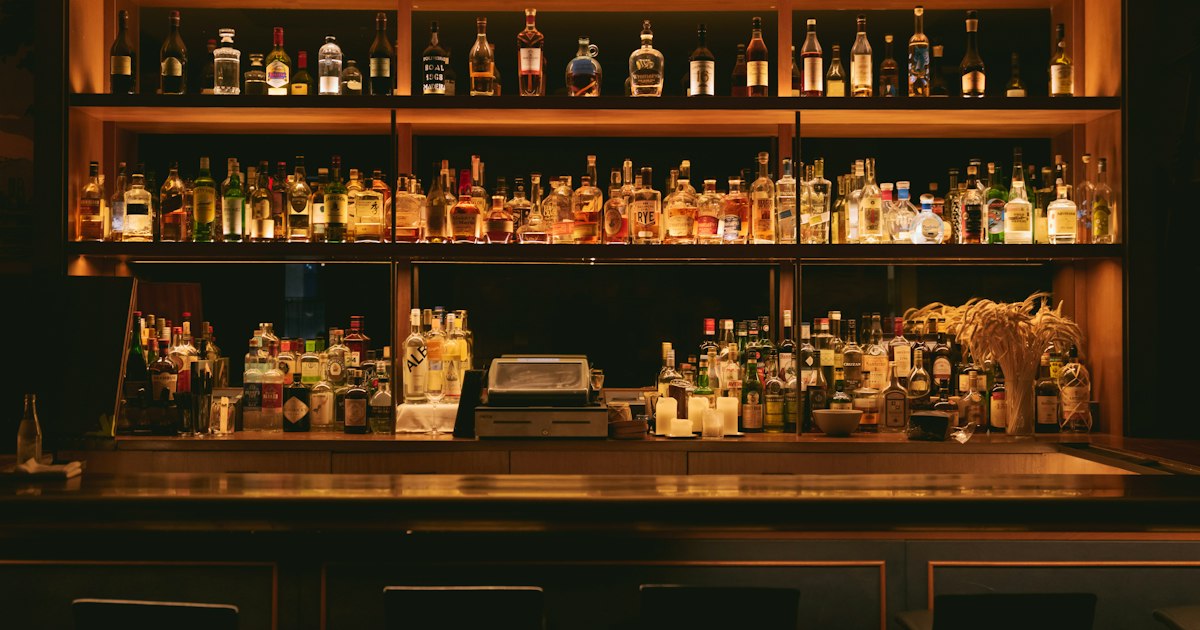
Ohio's Dram Shop Act, R.C. 4399.18, is the controlling law when an injured person wants to hold a liquor permit holder responsible for an off premises injury, such as a crash down the road from the bar. To recover, you generally must show two things: that the permit holder or an employee knowingly sold or furnished alcohol to a noticeably intoxicated person, and that this person's intoxication proximately caused the injury or death. This pairs with R.C. 4301.22, which already makes it illegal to sell alcohol to a person who is visibly intoxicated.
The word noticeably does a lot of work. A high blood alcohol reading taken later is not enough on its own. The question is what the server could actually observe at the time, such as slurred speech, stumbling, or aggressive behavior. Ohio courts have treated the Dram Shop Act as the exclusive path for holding a permit holder responsible in these situations, so proving that the patron was visibly drunk when served is the heart of the case.
Because so much turns on that moment of service, evidence disappears fast. The proof often lives in itemized receipts and point of sale records, in surveillance video, and in the testimony of other patrons and the servers themselves. A lawyer moves quickly to send preservation letters before a bar's video records over itself.
Social hosts are treated differently. As a general rule, Ohio does not make a private person who serves alcohol to an adult guest liable to someone that guest later injures. The important exception is alcohol served to someone under 21, which can create liability under R.C. 4301.69.
Deadlines and Immunities That Can Quietly End Your Case
Ohio generally gives an injured person two years from the date of injury to file suit under R.C. 2305.10, and two years from the date of death to bring a wrongful death claim under R.C. 2125.02. Those deadlines feel far away until they are not, and a missed filing almost always ends the case no matter how strong it was.
Two wrinkles make speed even more important in OVI cases. The most powerful dram shop evidence, the bar's video and service records, is often gone within weeks unless someone demands it be preserved. And if a government vehicle or public employee was involved, Ohio's political subdivision immunity rules under R.C. Chapter 2744 add defenses and shorter timelines. A catastrophic crash that causes a traumatic brain injury deserves a lawyer's attention within days, not months.
Damages Available to Ohio OVI Crash Victims
Ohio law lets an injured person pursue economic damages for measurable losses like past and future medical care, lost wages, lost earning capacity, and property damage, and non economic damages for pain, suffering, disfigurement, and diminished enjoyment of life. When a crash takes a life, R.C. 2125.02 allows the family to recover for their loss, including lost support and companionship. Where the driver's conduct shows conscious disregard for others, punitive damages may also be available, subject to the limits in R.C. 2315.21.
What to Do After a Cleveland Drunk Driving Crash
In the first hours after a crash, a few steps protect both your health and your claim. Call 911 so the crash and any suspected impairment are documented by police. Get medical care right away, because adrenaline hides serious injuries. Photograph the vehicles, the scene, and your injuries, get contact information for witnesses, and keep your records in one place.
Two things matter especially in OVI cases. Make a note of where the driver had been drinking, because that detail can open a dram shop claim later. And be careful with the at fault driver's insurance company, which may call within a day looking for a recorded statement to use against you. You are not required to give one. The strongest move is to let a lawyer preserve the evidence and handle the insurers while you heal. You can contact us online to get started.
Frequently Asked Questions
Can I sue the bar that served the drunk driver who hit me in Ohio?
What does noticeably intoxicated mean under the Dram Shop Act?
The drunk driver only had state minimum insurance. Can I still recover?
How long do I have to file a drunk driving injury claim in Ohio?
Can I recover punitive damages against a drunk driver in Ohio?
Is the criminal OVI case the same as my injury claim?
Talk With a Cleveland Drunk Driving Injury Lawyer
If a drunk driver has hurt you or taken someone you love, you should not carry the cost of someone else's choice. Ryan Injury Attorneys offers a free, no obligation consultation to review your crash, identify every source of recovery, and protect the evidence. Call (216) 777-RYAN or contact us online. You pay nothing unless we recover for you.