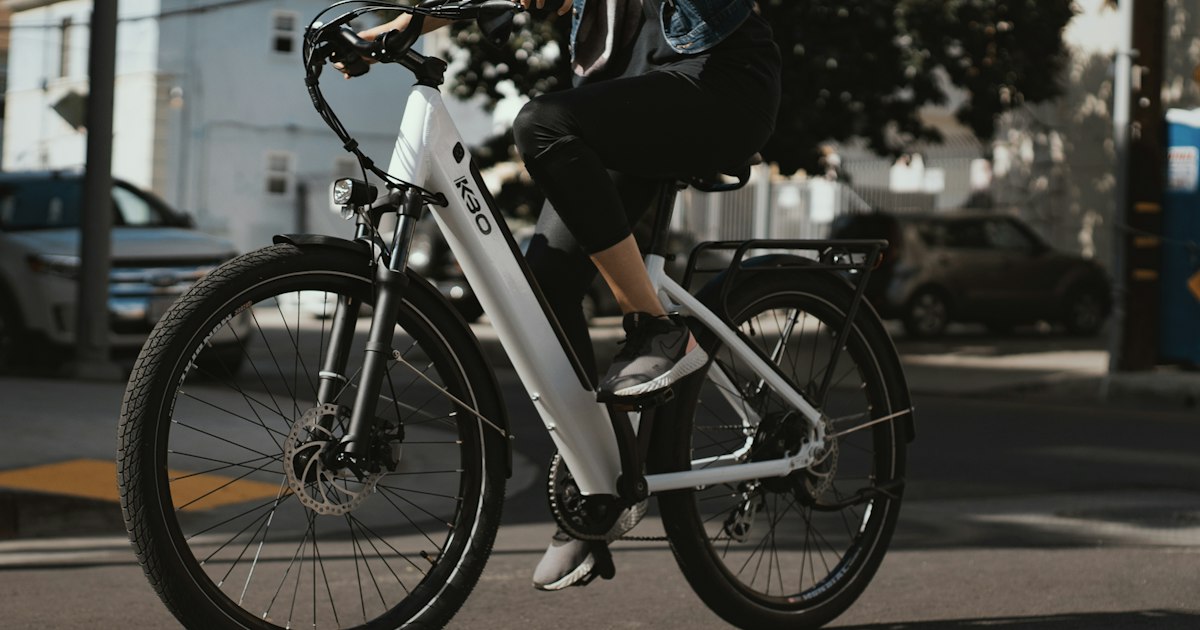

Electric bikes and electric scooters have become a familiar sight across Cleveland, from the Detroit Superior Bridge and the Ohio and Erie Canal Towpath Trail to the bike lanes along Lorain Avenue and Euclid Avenue. They are affordable, quick, and easy to ride, which is exactly why so many people now depend on them to get to work, to campus, and around the neighborhood. They also carry a rider with almost no protection at speeds that traditional bicycles rarely reach.
That combination is showing up in the injury numbers. National emergency department data reported through 2026 shows a steep rise in micromobility injuries over the past several years, with a particularly sharp increase among young riders. Here at home, a rider died after an e-scooter crash in Cleveland in late September 2026. As daylight shrinks through the fall and riders share the road with rush hour traffic in the dark, the risk of a serious collision climbs. When a rider is hurt because of a careless driver, a defective device, or a dangerous stretch of roadway, Ohio law gives that rider and that rider's family meaningful rights. This guide explains how those rights work and what to do after a crash.
How Ohio Law Classifies E-Bikes and E-Scooters
Ohio treats electric bicycles as bicycles, not as motor vehicles, and that distinction matters a great deal for an injury claim. R.C. 4511.01 defines an electric bicycle as a device with fully operable pedals and an electric motor of less than 750 watts, and it sorts these bikes into three classes. A Class 1 e-bike provides assistance only while the rider pedals and cuts off at 20 miles per hour. A Class 2 e-bike adds a throttle but also cuts off at 20 miles per hour. A Class 3 e-bike is pedal assist only and cuts off at 28 miles per hour.
Under R.C. 4511.522, manufacturers must label each bike with its class, top assisted speed, and motor wattage, and the statute sets where each class may ride. It also requires that a Class 3 rider be at least 16 years old and that every operator and passenger on a Class 3 bike wear a helmet. Just as important, R.C. 4511.52 applies Ohio traffic laws to bicycles and electric bicycles and gives their riders the rights and duties of any other driver on the road. Stand-up electric scooters do not fit the electric bicycle definition and are often governed by local Cleveland ordinances, but a scooter rider injured by someone else's negligence still has the right to pursue a claim.
Who Can Be Held Liable When a Rider Is Hurt
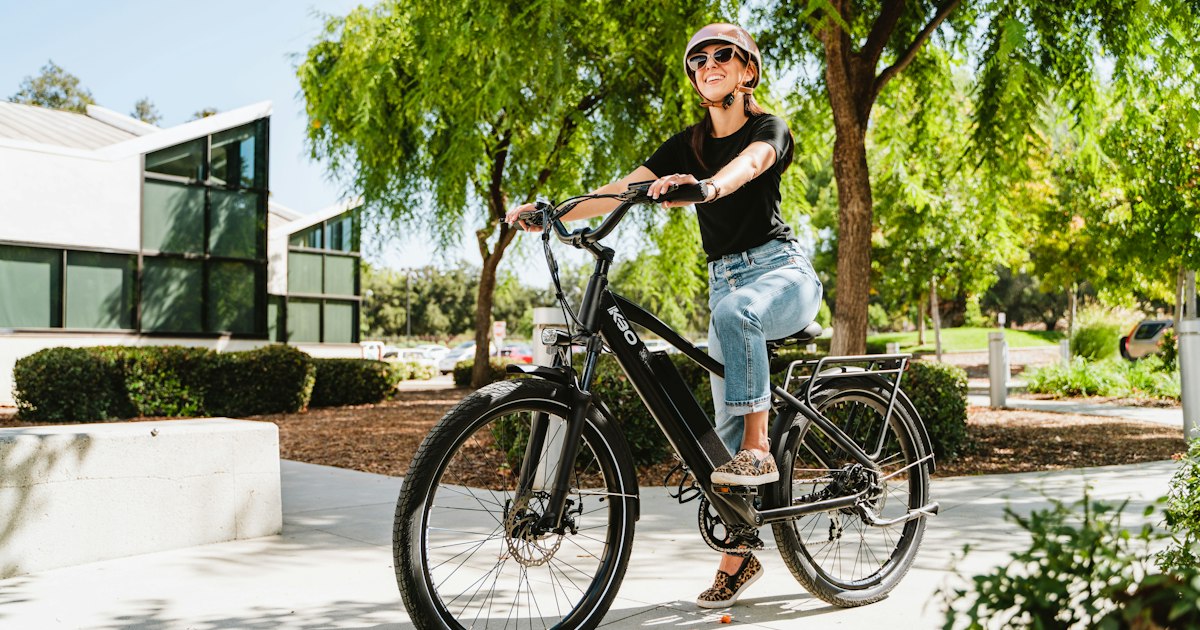
More than one party is often responsible for a micromobility crash, and identifying each of them is central to a full recovery. A negligent motorist is the most common source of serious harm. Drivers cause these crashes by failing to yield, by passing without leaving the three feet of clearance that R.C. 4511.27 requires when overtaking a bicycle, by turning left across a rider's path, by opening a car door into the bike lane, and by driving while distracted or impaired. A rideshare or delivery driver rushing through a turn can be just as dangerous, and a claim against that driver may reach a commercial insurance policy.
Liability does not stop with drivers. When a battery, brake, or throttle fails, Ohio product liability law in R.C. 2307.71 and the sections that follow allows a claim against the manufacturer or seller of an unreasonably dangerous device, including the lithium battery fires that have injured riders and set homes ablaze. A rental or share program that puts a poorly maintained scooter on the street can bear responsibility for a mechanical failure. A property owner or public agency that lets a road crumble into deep potholes or leaves a bike lane unlit may also share fault, though claims against a city or other political subdivision face the immunity limits in R.C. Chapter 2744 and often carry shorter notice deadlines. Sorting through these overlapping sources of responsibility is where experienced counsel adds the most value.
What to Do After an E-Bike or E-Scooter Crash in Cleveland
The steps a rider takes in the first hours and days after a crash can decide whether a valid claim succeeds. The sequence below protects both your health and your case.
Call 911 so that police document the scene and create a report. Seek medical care right away, because head and internal injuries are common in these crashes and can be masked by adrenaline in the moment. Photograph everything you can, including the roadway, the vehicle, the device, skid marks, and any lighting or signage problems. Preserve the e-bike or scooter and its charger exactly as they are, since the device may be evidence of a defect; do not return a rental or send it for repair until it has been examined. Collect the names and numbers of any witnesses. Finally, speak with a lawyer before giving a recorded statement to an insurance company, because early statements are often used to shift blame onto the injured rider.
Ohio Deadlines and the Comparative Fault Rule
Ohio law puts firm time limits on injury claims. Under R.C. 2305.10, most claims for bodily injury must be filed within two years of the crash, and under R.C. 2125.02 a wrongful death claim must generally be brought within two years of the death. When the injured rider is a minor, R.C. 2305.16 can pause the limitations clock until the child reaches adulthood. Because claims involving a city or other public entity can carry shorter deadlines, waiting is rarely in a rider's interest.
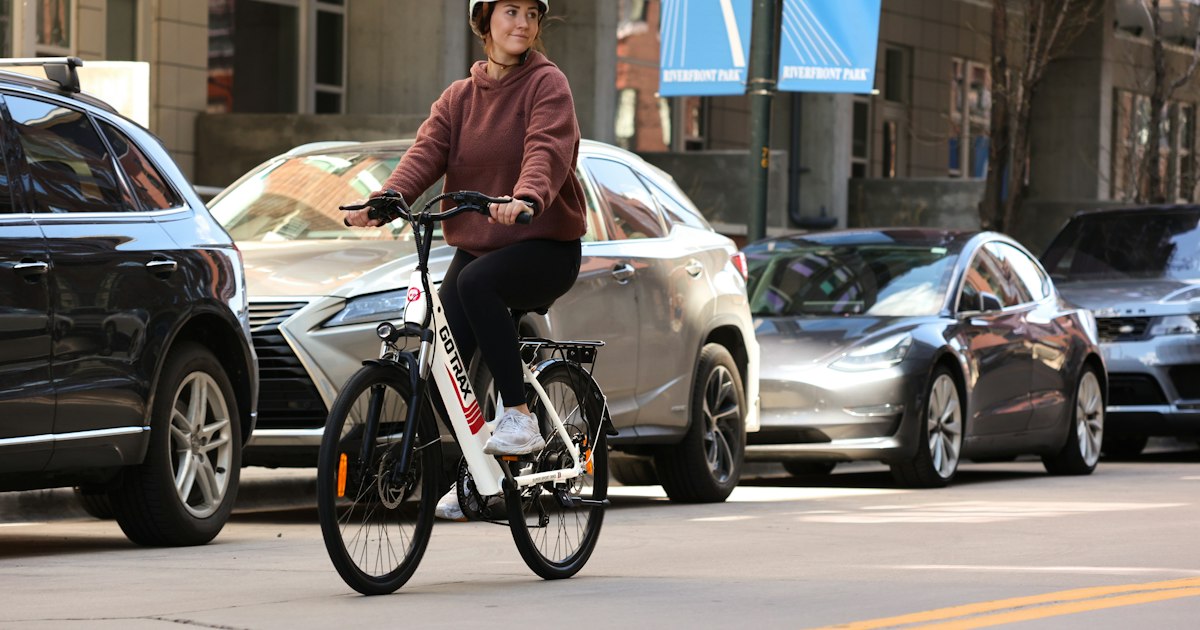
Being partly at fault does not end a claim in Ohio. The state follows modified comparative negligence under R.C. 2315.33, which lets an injured rider recover as long as the rider is 50 percent or less responsible, with the award reduced by the rider's share of fault. Recovery is barred only when a rider is found more than 50 percent at fault. This rule matters for fall riding in particular. R.C. 4511.56 requires a bicycle operated in the dark to carry a front white lamp and a rear red reflector or light. As Cleveland sunsets move earlier, an insurer may argue that a rider without lights contributed to a crash, but that argument goes to the percentage of fault, not to an automatic denial of the claim.
How Ryan Injury Attorneys Helps Injured Riders
Micromobility cases move fast and turn on evidence that disappears quickly, from a rental company's maintenance logs to a vehicle's event data recorder to the device itself. Our team investigates the crash, identifies every responsible party, works with medical and engineering experts, and deals with the insurers so that you can focus on healing. We handle brain injury, spinal injury, and wrongful death claims arising from these crashes, and we do not collect a fee unless we recover for you. You can learn more about our approach to serious crash claims on our pages for Cleveland brain injury cases and Cleveland car accident cases, or read about lead trial attorney Thomas P. Ryan.
Frequently Asked Questions
Are e-bikes and e-scooters treated as bicycles or as motor vehicles under Ohio law?
Does not wearing a helmet hurt my injury claim?
Who can be held responsible if a car hit me while I was riding?
What if the e-bike or scooter malfunctioned?
How long do I have to file an e-bike or e-scooter injury claim in Ohio?
What happens if I was partly at fault for the crash?
Hurt on an E-Bike or E-Scooter in Cleveland? Talk to Us for Free.
If you or someone you love was injured riding an electric bike or scooter, Ryan Injury Attorneys offers a free, no obligation consultation to review your rights under Ohio law. There is no fee unless we win. Call (216) 777-RYAN today or contact us online to get started.