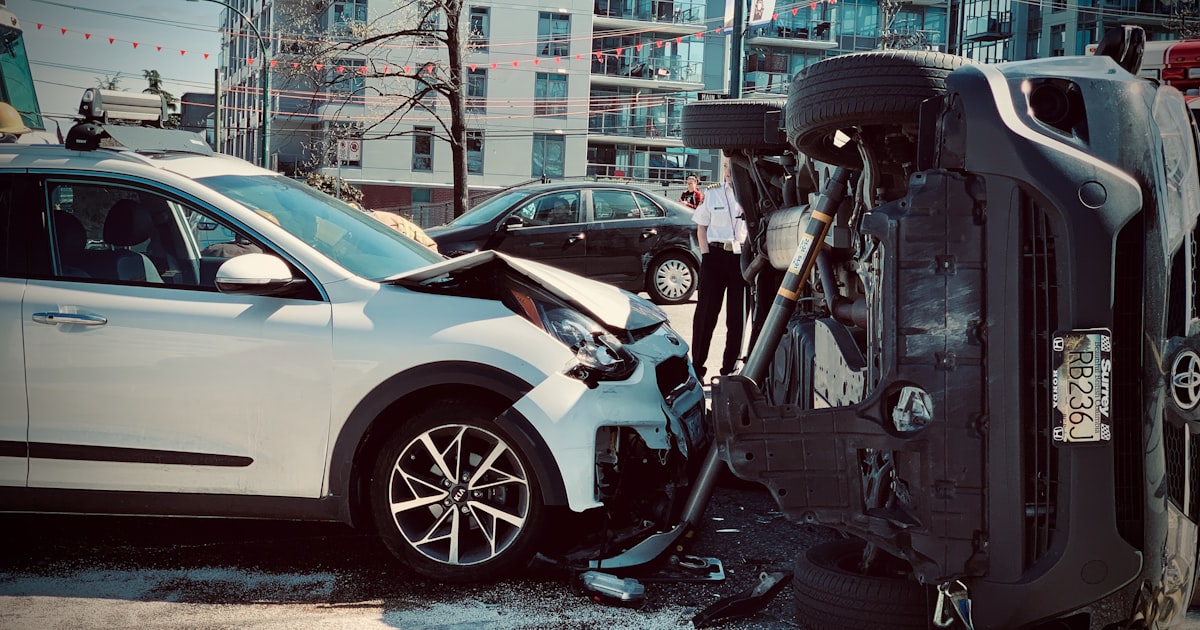

A crash is frightening enough on its own. When the other driver speeds away and leaves you hurt on the pavement, that fear can turn to shock and anger in an instant. In Cleveland, this happens far more often than most people expect. City police handled roughly 3,300 hit-and-run cases in 2023 and more than 2,100 the following year, and Ohio has repeatedly ranked among the ten worst states in the country for drivers who flee the scene. As summer traffic, festivals, and late nights fill the streets from Ohio City to Collinwood, the risk of being left behind by an at-fault driver climbs.
The good news is that a hit-and-run does not have to mean you are left paying for someone else's mistake. Ohio law gives injured victims real paths to compensation, even when the person who caused the crash is never caught. Below, we explain how those protections work and what steps help preserve your claim.
How Common Are Hit-and-Run Crashes in Cleveland?
Hit-and-run crashes are not just a local problem; they are climbing across the country. The AAA Foundation for Traffic Safety reported that 2023 saw the highest share of hit-and-run crashes ever recorded, and that hit-and-run collisions accounted for roughly seven percent of all traffic deaths nationwide. Even more sobering, about one in four pedestrians killed in a crash was struck by a driver who never stopped.
In Northeast Ohio, the pattern shows up on busy arteries like I-90, I-77, and I-480, along crowded corridors such as Euclid Avenue and West 25th Street, and in neighborhoods where parked cars and pedestrians share tight streets. Drivers flee for many reasons, including having no insurance, driving under the influence, or fearing arrest for another reason. Whatever the motive, the person left behind is often seriously hurt and unsure where to turn.
What Ohio Law Requires Drivers to Do After a Crash
Ohio does not treat leaving the scene lightly. Under Ohio Revised Code Section 4549.02, any driver who knows they were involved in a crash on a public road must immediately stop at or near the scene and provide their name, address, and vehicle registration, and, when someone is injured, render reasonable assistance. Fleeing instead is a crime.
Criminal Penalties for Fleeing
Failing to stop after an accident is generally a first degree misdemeanor in Ohio. When the crash causes serious physical harm to another person, the offense can be charged as a felony, and when it results in someone's death, it becomes a more serious felony still. A conviction can also bring a driver's license suspension. It is important to understand, though, that the criminal case against a fleeing driver is separate from your civil claim for compensation. A prosecutor pursues punishment; your injury claim pursues the money you need to recover.
How You Can Still Recover Compensation When the Driver Flees
Many people assume that if the at-fault driver is never identified, there is no way to be compensated. In Ohio, that is usually not true. The key is uninsured motorist coverage.
Uninsured Motorist Coverage Under R.C. 3937.18
Ohio law, at R.C. 3937.18, addresses uninsured and underinsured motorist (UM and UIM) coverage. Because a hit-and-run driver who is never found cannot be shown to carry insurance, Ohio treats that phantom driver as an uninsured motorist. That means the UM coverage on your own auto policy can step in to pay for your medical bills, lost wages, and pain and suffering, even though the person who hit you is gone. Ohio insurers are required to offer this coverage, and although drivers can reject it in writing, many Cleveland motorists carry it without remembering they do.
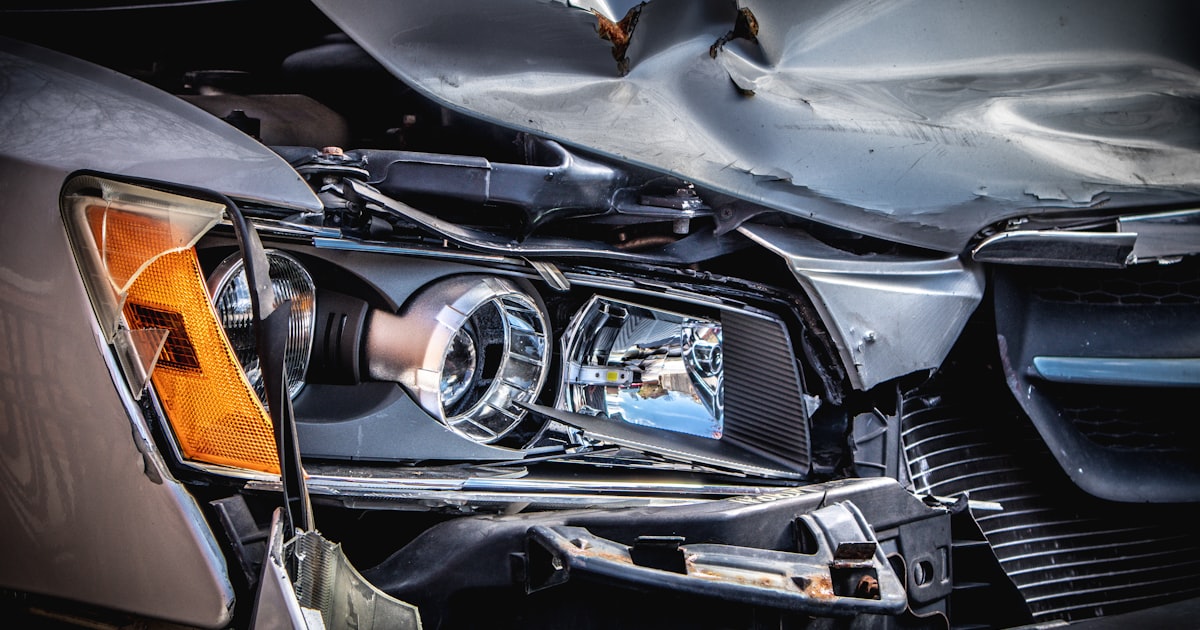
If the fleeing driver is later identified through police work, surveillance video, or a witness, you may also have a claim directly against that driver and their insurer. A thorough investigation early on gives you the best chance at every available source of recovery.
What to Do at the Scene of a Hit-and-Run
The moments right after a hit-and-run are chaotic, but a few clear steps can protect both your health and your claim. The diagram below walks through the priorities in order.
If you are too injured to gather this information yourself, do not push through the pain. Focus on getting help, and let the police report and your attorney fill in the rest. Even a partial license plate, a paint transfer on your bumper, or a nearby business camera can be enough to move an investigation forward.
Deadlines That Can Make or Break Your Claim
Ohio law sets firm time limits on injury claims, and hit-and-run cases add a second layer of deadlines. In general, R.C. 2305.10 gives you two years from the date of injury to file a personal injury lawsuit, and R.C. 2125.02 gives families two years to bring a wrongful death claim after a fatal crash. When the injured person is a child, the minority tolling rule in R.C. 2305.16 can pause the clock until they turn eighteen, though waiting is rarely wise.
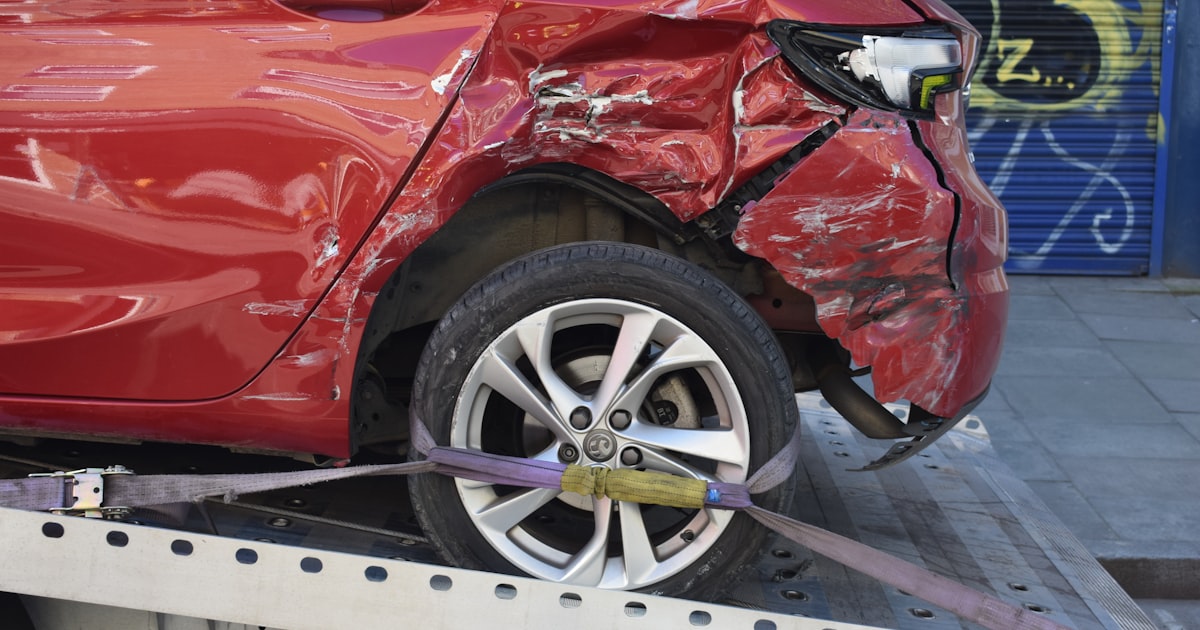
Uninsured motorist claims carry their own contractual deadlines. Many policies require prompt notice of a hit-and-run, sometimes within a short window, and prompt reporting to police. Miss one of those requirements and an insurer may try to deny an otherwise valid claim. That is why calling a lawyer early, rather than waiting to see if police find the driver, can be so important.
How a Cleveland Hit-and-Run Attorney Can Help
At Ryan Injury Attorneys, we treat a hit-and-run like the serious matter it is. We work quickly to secure surveillance and traffic-camera footage before it is erased, canvass for witnesses, and coordinate with Cleveland police as their investigation unfolds. Just as importantly, we review your own coverage, put your insurer on timely notice, and handle the uninsured motorist claim so you are not negotiating alone while you heal.
Our team, led by Thomas P. Ryan, has spent decades standing up for injured Ohioans. Whether your case involves a car accident, a struck pedestrian, or the loss of a loved one in a wrongful death, we build each claim for maximum recovery.
Frequently Asked Questions
Can I recover money if the hit-and-run driver is never found?
What is uninsured motorist coverage and do I have it?
Is leaving the scene of a crash a crime in Ohio?
How long do I have to file a claim after a hit-and-run in Cleveland?
What should I do first after a driver hits me and flees?
Will making an uninsured motorist claim hurt me for using my own policy?
Hurt by a Driver Who Fled? Talk to Us Today.
You do not have to face a hit-and-run alone, and you should not have to pay for another driver's decision to run. Ryan Injury Attorneys offers a free, no-obligation consultation to review your options, explain your coverage, and protect your deadlines. Call (216) 777-RYAN or contact us online to get started.