

The stretch of road between Thanksgiving and the New Year is one of the busiest and most dangerous driving periods in Ohio. Families crowd onto Interstate 90, Interstate 71, and Interstate 480, holiday gatherings run late, and winter darkness falls before the evening commute even begins. The Ohio State Highway Patrol reports that recent Thanksgiving holiday weekends have brought double-digit traffic deaths and hundreds of impaired-driving arrests across the state. When a frightened or impaired driver causes a crash during this rush, too many choose to flee rather than stop, leaving injured people stranded on the shoulder in the cold.
A hit-and-run, known in Ohio law as hit-skip, adds a cruel second layer to an already traumatic event. You are hurt, your vehicle is damaged, and the person responsible has vanished into holiday traffic. The good news is that Ohio law does not leave you without options. This guide explains what the law requires of every driver, why these crashes climb during the Thanksgiving travel weekend, and the concrete steps that protect your right to recover, even when the other driver is never identified.
What Ohio Law Requires After Every Crash
Ohio Revised Code Section 4549.02 sets a clear duty. Any driver involved in a crash on a public road or highway must stop at the scene, stay there, and give their name, address, and vehicle registration number to the other people involved and to any responding officer. When someone is injured, the driver must also render reasonable assistance, which can include arranging for medical help.
Leaving the scene without meeting these obligations is a crime. A hit-skip that involves only property damage is typically a misdemeanor, but when the crash causes serious physical harm or death, R.C. 4549.02 elevates the offense to a felony with the possibility of prison time and a lengthy license suspension. A separate statute, R.C. 4549.021, imposes similar duties for crashes on private property such as a parking lot. These criminal consequences matter to your civil case too, because a driver who fled has already shown a judge and jury a powerful piece of evidence about responsibility.
Why Hit-Skip Crashes Surge Around Thanksgiving
Several forces collide during the long holiday weekend. Traffic volume spikes as travelers head to and from Cleveland, Akron, and the suburbs. Darkness arrives early in late November, reducing the window in which drivers can see pedestrians and cyclists. Alcohol flows freely at gatherings and on the Wednesday before Thanksgiving, one of the heaviest drinking nights of the year. A driver who has been drinking, is uninsured, or is already facing license problems has every selfish incentive to flee rather than face an officer at the scene.
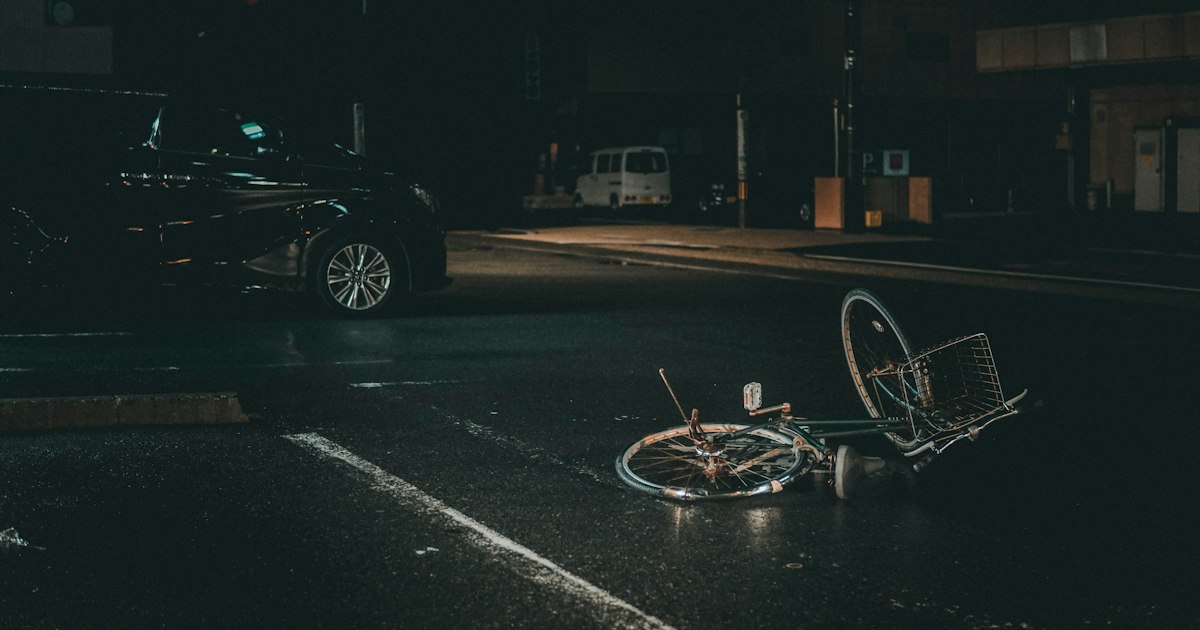
Pedestrians and bicyclists bear a heavy share of this harm. Someone crossing a dim intersection near Ohio City, Tremont, or University Circle is far more exposed than a person inside a vehicle, and a driver who strikes a pedestrian and panics may speed off before anyone records a plate. If you or a loved one was hurt while walking, our Cleveland pedestrian accident lawyers understand how to reconstruct these crashes and find the evidence that identifies a fleeing driver.
How You Can Still Recover When the Driver Flees
The single most important protection for hit-and-run victims in Ohio is uninsured motorist coverage. Under R.C. 3937.18, uninsured motorist benefits exist to compensate you when the at-fault driver has no insurance or cannot be identified. A hit-skip driver who is never found is treated as an uninsured motorist, which means your own auto policy can step in to pay for medical bills, lost wages, and pain and suffering.
There is an important wrinkle for what Ohio calls a phantom vehicle, meaning a crash caused by a driver who never made contact, such as one who forced you off the road and sped away. In those no-contact cases, Ohio law generally requires independent corroborating evidence, such as a witness or video, before an insurer must pay. This is one more reason that gathering proof at the scene is so valuable. If your policy includes medical payments coverage, that benefit can also help with treatment costs no matter who was at fault.
Recovering under your own policy sounds simple, but insurers often resist. They may question whether a phantom vehicle existed or argue that you share blame. Our Cleveland car accident lawyers handle uninsured motorist claims every day and know how insurers in Ohio evaluate and sometimes undervalue them.
Steps to Take at the Scene of a Hit-and-Run
What you do in the minutes and hours after a hit-skip crash can decide whether you recover fully or struggle to prove your case. The checklist below walks through the priorities, in order.
First, make sure you and your passengers are safe and call 911. A police report creates an official record and starts the search for the driver. Second, capture everything you can remember about the fleeing vehicle, including the license plate, color, make, model, and the direction it traveled. Even a partial plate can be enough. Third, photograph the scene, the damage, and your visible injuries. Fourth, look for witnesses and nearby cameras on homes, businesses, and traffic signals, and write down names and numbers. Finally, report the crash to your own insurer promptly, but speak with a lawyer before giving any recorded statement about fault or the extent of your injuries.
Deadlines and Legal Rules That Can Decide Your Case
Ohio gives most injury victims two years from the date of the crash to file a lawsuit under R.C. 2305.10. If a hit-and-run takes a life, the family generally has two years to bring a wrongful death claim under R.C. 2125.02. When a child is hurt, R.C. 2305.16 can pause, or toll, the clock until the child reaches adulthood, but you should never count on tolling to rescue a late claim.
Just as important are the deadlines buried in your own insurance policy. Many policies require prompt notice of a hit-and-run, sometimes within a few days, and some demand that you report the crash to police within 24 hours to preserve uninsured motorist benefits. Miss those windows and a valid claim can evaporate. Ohio also follows modified comparative negligence under R.C. 2315.33, which means your recovery is reduced by your share of fault and barred entirely if you are found more than 50 percent responsible. Insurers know these rules well and use them to chip away at claims, which is why early legal guidance pays off.

How a Cleveland Hit-and-Run Lawyer Builds Your Case
Finding a driver who fled takes real investigation. At Ryan Injury Attorneys, we move quickly to preserve surveillance footage before it is overwritten, canvass for witnesses, work with the investigating officers, and analyze vehicle debris and paint transfer that can identify a make and model. When the driver stays unknown, we build and press the uninsured motorist claim under your policy and fight the insurer tactics meant to reduce it.
When a hit-and-run causes a death, the stakes and the grief are immense. Our Cleveland wrongful death lawyers guide families through every step while protecting their right to full and fair compensation. We handle the paperwork and deadlines so you can focus on healing.
Talk to a Cleveland Hit-and-Run Lawyer Today
If you or someone you love was hurt by a driver who fled this holiday season, do not assume you are out of options. Ohio law and your own insurance may provide more protection than you expect, but deadlines are short and evidence fades fast. The team at Ryan Injury Attorneys offers a free, no-obligation consultation to review your crash and explain your rights. Call us today at (216) 777-RYAN or contact us online, and let a dedicated Cleveland advocate stand with you. You can also learn more about lead trial attorney Thomas P. Ryan and how our firm fights for injured Ohioans.