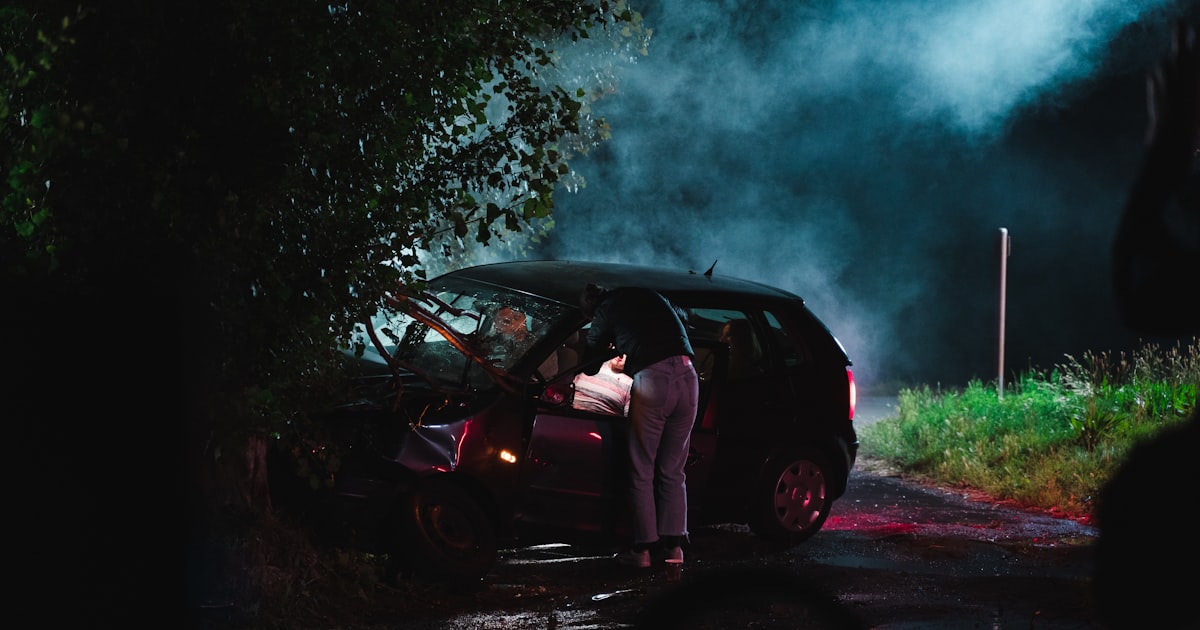

Labor Day weekend brings one of the busiest driving stretches of the year to Northeast Ohio. Interstate 90, Interstate 71, and the Jennings Freeway fill with holiday travelers, and Cleveland neighborhoods from Ohio City to Collinwood see more people walking to cookouts and end-of-summer gatherings. With that surge comes a painful reality. Some drivers who cause crashes do not stop. A hit-and-run can leave you injured and shaken, staring at hospital bills with no obvious person to hold accountable. The reassuring news is that Ohio law gives hit-and-run victims real paths to compensation, even when the other driver is never found.
As a Cleveland personal injury lawyer, I have guided many families through this exact situation. Below is a clear, practical explanation of your rights after a fleeing-driver crash, the Ohio statutes that matter, and the steps that protect your claim before the evidence disappears.
Why Hit-and-Run Crashes Spike Around Labor Day in Northeast Ohio
Holiday weekends mix three ingredients that raise the odds of a driver fleeing: heavier traffic, more late-night driving, and more alcohol on the road. When a crash happens, drivers who are uninsured, driving on a suspended license, or worried about a warrant are far more likely to run instead of stopping. That risk is not small in Ohio. Industry estimates place roughly one in seven Ohio drivers on the road without insurance, and a driver with no coverage has a strong financial incentive to disappear before police arrive.
Pedestrians and cyclists are especially exposed. National and state data consistently show that a meaningful share of pedestrian crashes are hit-and-runs, and Cleveland is no exception on busy corridors like Lorain Avenue, St. Clair Avenue, and Detroit Avenue. When the person who caused your injuries drives off into the dark, it can feel like your case left with them. It did not.
What Ohio Law Requires a Driver to Do After a Crash
Ohio does not treat leaving the scene as a minor lapse. Under R.C. 4549.02, any driver involved in a crash on a public road must stop, remain at the scene, share their name, address, vehicle registration, and, on request, insurance information, and render reasonable assistance to anyone who is hurt. A driver who flees commits a criminal offense. When the crash causes serious physical harm or death, that offense can be charged as a felony.
It is important to understand what the criminal case does and does not do for you. A prosecutor can pursue charges, and a conviction may bring fines, license consequences, and even jail time for the at-fault driver. None of that automatically pays your medical bills or replaces your lost paycheck. Compensation for your injuries comes through a separate civil claim, and that is where your strategy needs to focus from day one.
How You Can Still Recover: Ohio Uninsured Motorist Coverage
This is the part that surprises most people, and it is the most important thing to know. Ohio law treats an unidentified hit-and-run driver as an uninsured motorist. Under R.C. 3937.18, if you carry uninsured motorist coverage on your own auto policy, you can bring a claim under that coverage when a phantom driver injures you and cannot be found. Your own insurer, in effect, stands in the shoes of the driver who fled.
Uninsured motorist coverage can pay for your medical expenses, your lost wages, and your pain and suffering, up to the limits you selected. It can also protect passengers and, in many policies, family members in your household. For a family facing a stack of bills after a serious crash, this coverage is often the difference between financial ruin and a fair recovery.
Why Every Cleveland Driver Should Check Their Policy Now
Here is the catch. Ohio makes uninsured and underinsured motorist coverage optional. Insurers are required to offer it, but drivers are allowed to reject it in writing to save on premiums. Lawmakers have periodically debated whether to make this coverage mandatory given how many uninsured drivers share Ohio roads, but as the law stands today it remains a choice you must make. Before the holiday weekend, pull out your declarations page and confirm you have uninsured and underinsured motorist coverage, and consider raising the limits. It is one of the most valuable protections you can buy, and you cannot add it after a crash has already happened.
The Notice and Proof Traps That Sink Valid Claims
Uninsured motorist claims come with fine print. Many policies require you to report a hit-and-run to the police within a short window, sometimes within 24 hours, and to notify your insurer promptly. Some policies also demand independent corroboration that a phantom vehicle actually caused the crash, rather than your word alone. Miss one of these conditions and an insurer may try to deny an otherwise valid claim. Careful, prompt documentation is what keeps these defenses off the table.
Steps to Take at the Scene of a Hit-and-Run
What you do in the first minutes can decide whether a fleeing driver is identified and whether your claim holds up. Use this simple checklist, and share it with the drivers in your family before the weekend.
After you leave the scene, keep building the record. Save every medical record and bill, photograph your injuries as they heal, and write down how the crash has affected your work and daily life. If a business, doorbell camera, or traffic camera may have captured the vehicle, note it right away, because that footage is often overwritten within days.
Deadlines That Can Quietly End Your Claim
Ohio gives most injury victims two years from the date of the crash to file a lawsuit, under R.C. 2305.10. If a hit-and-run takes the life of a loved one, a wrongful death claim generally carries its own two-year window from the date of death. When the injured victim is a child, R.C. 2305.16 can pause, or toll, the deadline until the child reaches adulthood, though a parent claim for medical expenses may run sooner. These are not deadlines to test. Evidence in hit-and-run cases fades fast, and your own policy may impose an even shorter reporting deadline than the statute of limitations allows.
How a Cleveland Hit-and-Run Lawyer Builds Your Case
Identifying a fleeing driver often takes real investigative work: canvassing the area for cameras, tracking down witnesses, requesting the full police crash report, and pressing for records that a lone victim cannot easily obtain. Even when the driver is never found, a lawyer can develop and present your uninsured motorist claim, handle the insurer demands for statements and documentation, and push back when the company undervalues your injuries. Insurance carriers negotiate these claims every day; you should not have to face that alone while you are trying to heal.
If you were hurt by a driver who fled, learn more about our work for crash victims on our Cleveland car accident lawyers page, our Cleveland pedestrian accident lawyers page, and our Cleveland wrongful death lawyers page. You can also read more about attorney Thomas P. Ryan and how our team approaches these cases.
Frequently Asked Questions
Can I recover money if the hit-and-run driver is never found in Ohio?
Is uninsured motorist coverage required in Ohio?
How long do I have to file a hit-and-run injury claim?
What does Ohio law require a driver to do after a crash?
Does the criminal case against the driver pay my medical bills?
What should I do first at the scene of a Cleveland hit-and-run?
Injured by a Hit-and-Run Driver in Cleveland? Talk to Us Today
You do not have to sort out uninsured motorist coverage, insurer deadlines, and a fleeing driver on your own. Ryan Injury Attorneys offers a free, no-pressure consultation, and you pay nothing unless we recover for you. Call (216) 777-RYAN or reach out through our contact page to protect your rights before the evidence disappears.