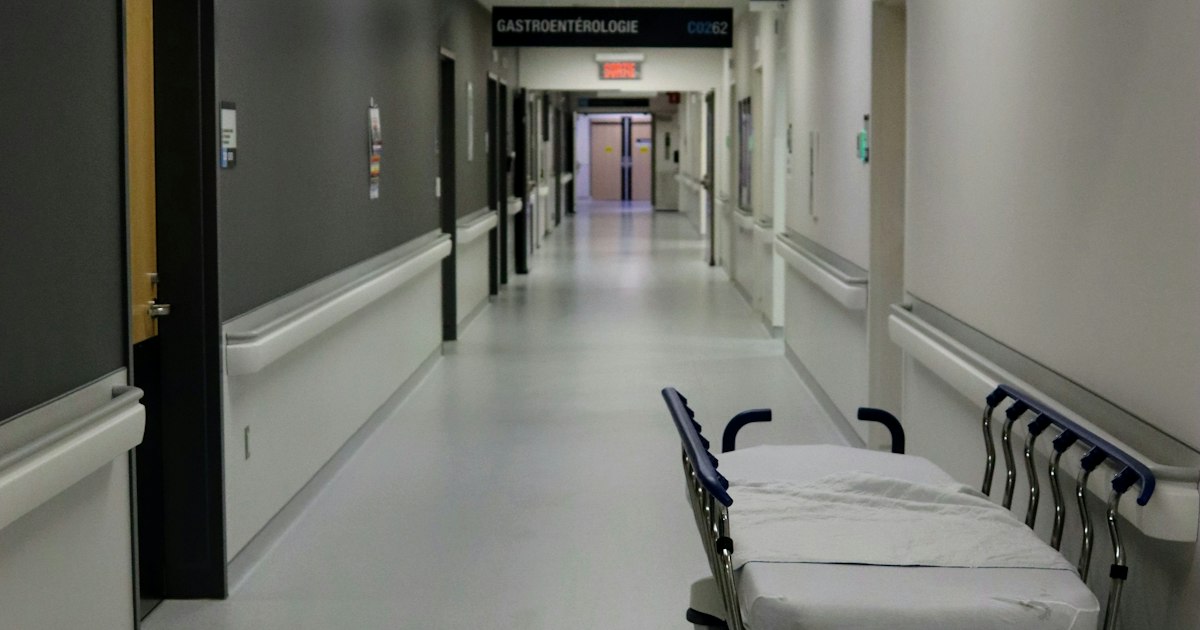

When most of us picture a hospital, we think of doctors, nurses, and machines working together to keep patients safe. We rarely picture a few lines of malicious computer code shutting all of that down. Yet cyberattacks have become one of the most serious hidden threats to patient safety in the country, and Northeast Ohio hospitals are not immune. When a Cleveland area hospital is hit by ransomware or a network intrusion, the people most at risk are not the hospital's executives or its technology staff. They are the patients in the beds.
If you or someone you love was harmed because a hospital's systems went down during a cyberattack, you may have more rights under Ohio law than you realize. This guide explains, in plain language, how these attacks hurt patients, who may be responsible, and the deadlines that can quietly end a claim before it begins.
How a Hospital Cyberattack Can Hurt Patients
A modern hospital runs on software. Electronic health records hold your medications and allergies. Networked monitors track heart rhythms. Pharmacy systems check doses before they reach you. Imaging systems move your CT scan from the scanner to the radiologist in seconds. When an attack locks or corrupts those systems, the hospital does not just lose paperwork. It loses the tools its own staff rely on to keep people alive.
During a serious attack, a hospital may divert ambulances to other facilities, postpone surgeries, and fall back on paper records that are slower and easier to misread. Lab results and imaging can be delayed for hours. Automated safety checks that would normally flag a dangerous drug interaction may be offline. For a patient having a stroke, a heart attack, or a difficult childbirth, even a short delay can be the difference between a full recovery and a permanent injury.

The Attack Is a Crime, but Your Injury May Still Be Someone’s Fault
It is natural to assume that if criminals caused the attack, no one else can be blamed. Ohio law takes a more careful view. The hackers behind these attacks are almost always anonymous, located overseas, and impossible to sue in any practical way. The real legal question is whether a hospital, or a company that served it, failed to take reasonable steps to prevent a foreseeable harm.
Hospitals have known for years that they are prime targets for ransomware. Because the risk is so well understood, Ohio law can expect a hospital to prepare for it: to protect its systems, to keep safe and tested backups, and to have a plan for treating patients safely when the computers go dark. When a hospital ignores those duties and a patient is hurt, the fact that a criminal started the chain of events does not automatically excuse the hospital. These claims often overlap with traditional Cleveland medical malpractice cases.
Who May Be Responsible for Your Injury
More than one party can share responsibility after a hospital cyberattack. The hospital itself is usually the central focus, because it controls both the systems that failed and the care you received. A hospital may be responsible for weak cybersecurity, for failing to keep working backups, or for continuing to deliver care in unsafe conditions without proper safeguards.
The companies behind the hospital's technology can share the blame as well. A software maker that shipped a program with a known, unpatched security hole, or a security firm that was hired to protect the network and did its job poorly, may be responsible for the harm that followed. Figuring out which parties are at fault takes a careful investigation, which is one reason it helps to involve a lawyer early.
The Kinds of Harm That Can Support a Claim
Not every inconvenience during a cyberattack leads to a lawsuit. The law focuses on real, documented harm. Patients have been seriously injured when care was delayed or when safety systems failed, leading to medication errors, missed test results, untreated strokes, oxygen deprivation during childbirth, and the worsening of conditions that should have been caught in time. In the most tragic cases, these failures contribute to a patient's death, and families may have a Cleveland wrongful death claim.
Because the injuries can be severe and lasting, including a serious brain injury from delayed treatment, the value of these claims is often significant. The key is connecting the harm to a failure that reasonable care would have prevented.

Deadlines in Ohio You Cannot Ignore
Ohio law puts strict time limits on injury claims, and the clock is often shorter than people expect. A claim based on negligent medical care is usually treated as a medical claim, which under R.C. 2305.113 generally must be brought within one year, and it requires a sworn affidavit from a qualified medical expert. A broader negligence claim, for example against a technology vendor, usually falls under the two year limit in R.C. 2305.10. When a cyberattack contributes to a death, a wrongful death claim generally must be filed within two years of the date of death under R.C. 2125.02.
These deadlines overlap and can be confusing, and choosing the wrong one can cost a family its entire case. That is why it is so important to have a lawyer sort out which rules apply as early as possible.
What to Do If You or a Loved One Was Harmed
If you believe a cyberattack played a role in a hospital injury, a few steps can protect your rights. Request complete medical records as soon as you can, including any notes about system outages or downtime procedures. Write down what you saw and were told, including delays, canceled tests, or staff comments about the computers being down. Keep any letters the hospital sends about a data breach. Finally, speak with an attorney before giving a recorded statement or signing anything the hospital or an insurer puts in front of you.
Talk With a Cleveland Hospital Injury Lawyer
Hospital cyberattacks are new, but the duty to keep patients safe is not. If a hacked or crippled hospital system contributed to a serious injury in your family, you deserve a clear explanation of what went wrong and what your options are. At Ryan Injury Attorneys, we investigate how the failure happened, identify every party that may share responsibility, and pursue the full value of your claim. The consultation is free, and you owe no fee unless we recover for you. Call (216) 777-RYAN or contact us today to speak with our team.