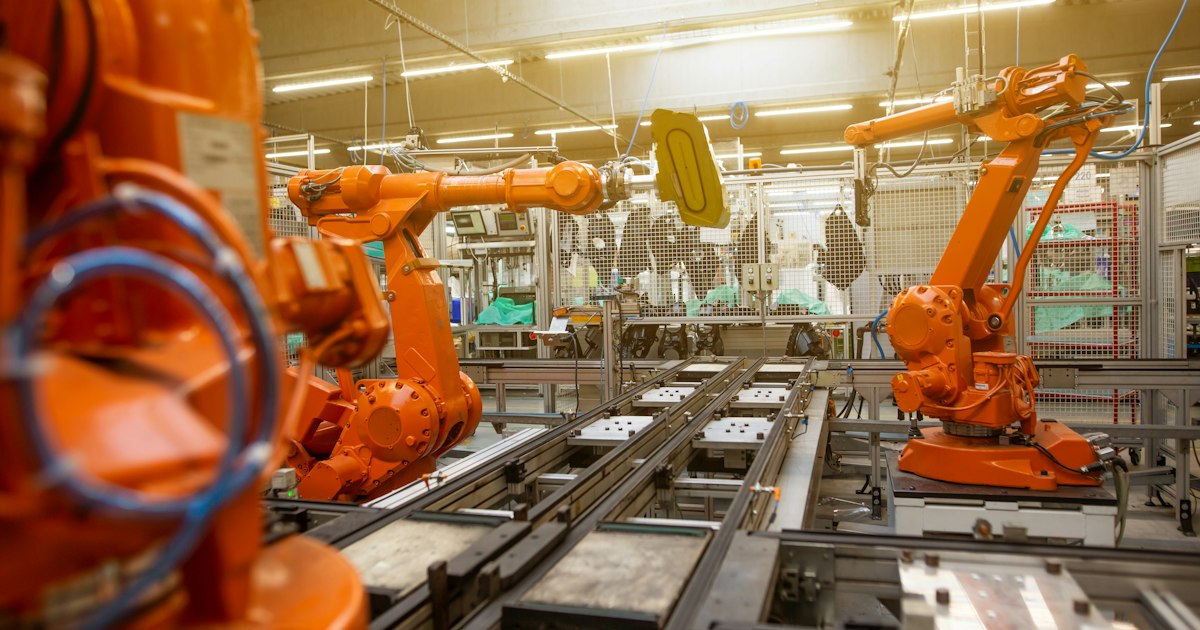

Automation has transformed work across Northeast Ohio. Robotic arms weld and assemble in the region's manufacturing plants, automated systems move goods through vast distribution and fulfillment centers, and machines that once needed a human hand now run on their own logic. This technology has made many jobs safer. It has also introduced a new and serious hazard: powerful machinery that moves with speed and force, sometimes without warning, in spaces shared by human workers.
When an industrial robot or automated machine injures a worker, the legal picture is more complicated than a typical workplace accident. Ohio's workers' compensation system limits when you can sue your employer, but it does not end the story. Often the most meaningful recovery comes from a third party, such as the company that built or serviced the machine. This guide explains how these injuries happen, who can be held responsible, and how to protect your rights. It is part of our larger resource on AI injury claims under Ohio law.
Where Robots and Automation Injure Ohio Workers
Automated machinery is everywhere in the modern Ohio workplace. Auto and parts plants use robotic welders, painters, and assemblers. Distribution and fulfillment centers rely on conveyor systems, automated storage and retrieval machines, and mobile robots that carry inventory. Food processing, plastics, steel, and packaging operations across Cuyahoga County and the surrounding region run automated lines that never tire and rarely stop. Workers share the floor with all of it, and when something goes wrong, the human body is no match for a machine designed to move heavy loads at speed.
How Automated Machinery Causes Injuries
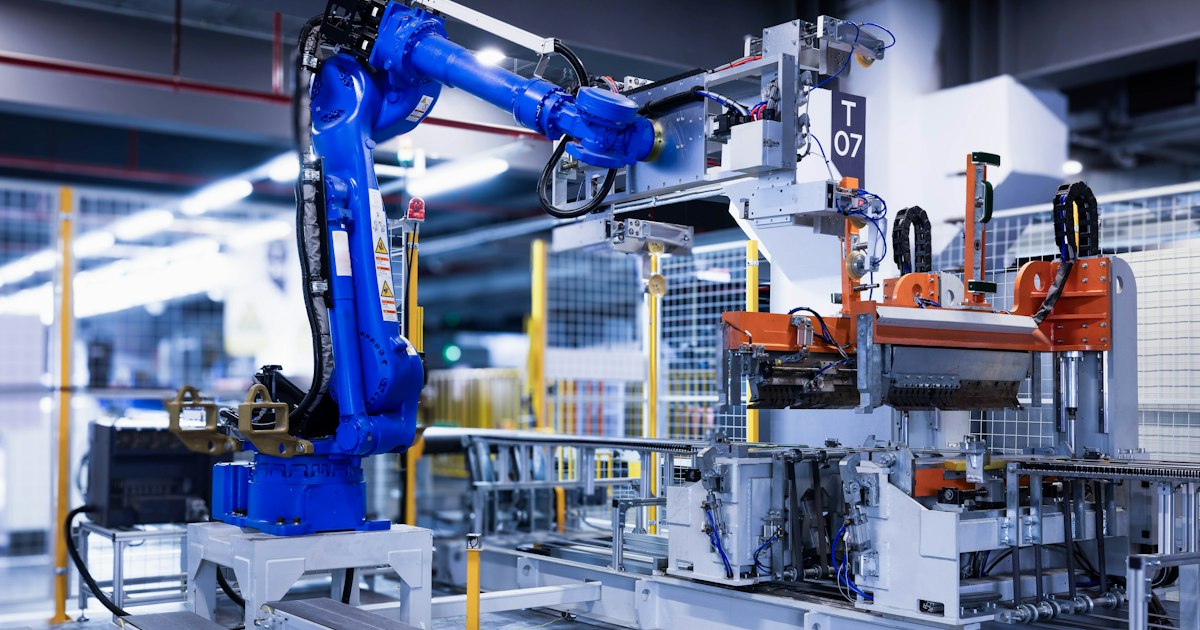
The injuries follow recognizable patterns. Workers are struck by a robotic arm that swings into a space it should not have entered. They are caught in or crushed by machinery that cycled while a person was still inside the danger zone. They are pinned by equipment that moved unexpectedly during setup, cleaning, or a jam clearance, when the machine should have been locked out. And they are hurt when a system fails to detect a human presence that its sensors were supposed to catch. These forces produce catastrophic harm: amputations, crush injuries, traumatic brain injury, and death.
The Workers' Compensation Trap: Why You May Have More Than One Claim
Most injured workers know they can file for workers' compensation, and they should. Ohio's system provides medical care and wage benefits regardless of fault, and it is usually the exclusive remedy against your employer under R.C. § 4123.74. In practice, that means you generally cannot sue your own employer for a workplace injury, even when the employer was careless. There is a narrow exception for a true employer intentional tort under R.C. § 2745.01, but Ohio sets that bar extremely high, requiring proof that the employer acted with deliberate intent to cause injury, which is rarely met.
Here is what many workers do not realize: workers' compensation does not bar claims against third parties who are not your employer. If a defective robot, a poorly integrated system, or negligent maintenance by an outside contractor caused your injury, you may bring a separate claim against those companies for the full range of damages that workers' compensation does not pay. The diagram below shows how these two paths work side by side.
Third-Party Product Liability Claims
The most valuable claim in a robot injury case is often against a third party, and it usually sounds in product liability. Under Ohio's product liability act, R.C. § 2307.71 and the sections that follow, the manufacturer of an automated machine can be liable if the equipment was defectively designed (R.C. § 2307.75), defectively manufactured (R.C. § 2307.74), or sold without adequate warnings or instructions (R.C. § 2307.76). The company that integrated the robot into a larger production line can be liable if it created the hazard through poor design or installation. A maintenance or service contractor can be liable if negligent work left the machine dangerous. Our Cleveland injury attorneys investigate each of these possibilities rather than settling for workers' compensation alone.
What Makes an Automated Machine Defective
Several failures turn a useful machine into a dangerous one. A design that lacks adequate guarding, light curtains, or interlocks allows a worker to reach or enter a danger zone while the machine can still move. A sensor system that fails to reliably detect a human presence defeats the very safety feature workers depend on. Missing or inadequate lockout and warning systems leave people exposed during maintenance. Poor instructions can lead an employer to install or operate the machine unsafely. And a control defect can cause unexpected motion, the sudden movement that injures a worker who reasonably believed the machine was idle. Each of these can support a claim against the party responsible for it.
Deadlines and the Ohio Law That Applies
Different clocks run at the same time. A third-party product liability or negligence lawsuit generally must be filed within two years under R.C. § 2305.10, and product claims can face a statute of repose that bars most cases brought more than ten years after the machine was delivered. Workers' compensation has its own, separate filing requirements and deadlines through the Ohio Bureau of Workers' Compensation. If a worker is killed, the family's wrongful death claim proceeds under R.C. § 2125.02 within two years of the death. Missing any one of these deadlines can permanently close a door, which is why early legal advice matters.
Preserving the Machine and the Evidence
Evidence in a robot injury case can vanish quickly. The machine may be repaired, reset, or put back into production within hours, erasing the condition that caused the injury. Control logs and error histories can be overwritten. Maintenance records, safety audits, and training documents can be difficult to obtain later. A prompt legal demand to preserve the machine in its post-incident state, along with its data and records, is often the single most important early step. Any report to the Occupational Safety and Health Administration and its findings can also become important evidence.
Cobots and the Myth That Robots Are Always Safe
A growing share of workplace machines are collaborative robots, or cobots, designed to work directly alongside people without cages. Their selling point is that they are safe to be near, and that promise is exactly what makes them dangerous when it is overstated. Workers trust a machine they were told cannot hurt them, and stop keeping their distance. When a cobot's force limits, sensors, or stopping distance fall short of what the maker claimed, or when it is deployed for a task it was never rated for, the injury can be severe precisely because no one expected it. Marketing a machine as inherently safe does not lower the manufacturer's duty to design it that way.
Damages a Third-Party Claim Can Recover
This is where a third-party case matters most to an injured worker's future. Workers' compensation pays for medical treatment and a portion of lost wages, but it does not pay for pain and suffering, for the full value of a lost career, for disfigurement, or for a spouse's loss of consortium. A third-party product liability or negligence claim can pursue all of those. Ohio's cap on certain noneconomic damages under R.C. § 2315.18 may apply, but it contains important exceptions for catastrophic injuries such as the loss of a limb or a permanent, substantial deformity, which unfortunately are common in robot injury cases.
How These Cases Are Built
Proving a robot injury case takes technical rigor. We retain engineers who reconstruct the incident and measure the machine against recognized machine-guarding and robot-safety standards, including those used across the manufacturing and robotics industries and enforced by workplace-safety regulators. We analyze control logs and error histories, examine the guarding and sensor design, and review the maker's manuals, warnings, and testing. Paired with medical proof of the full extent of the harm, that record is what holds a manufacturer or integrator accountable at the negotiating table or before a jury.
What to Do After an Automated-Machinery Injury
Report the injury to your employer and file for workers' compensation so your medical care and wage benefits begin. Get full medical treatment and keep every record. Photograph the machine and the scene if you safely can, and write down exactly what happened, including what the machine did and whether any guard or sensor was involved. Ask that the equipment not be altered or returned to service. Avoid signing anything from an insurer or giving a recorded statement before you understand your rights. And talk with a lawyer promptly, because a third-party claim can be worth far more than workers' compensation alone, and the evidence to prove it is disappearing.
Frequently Asked Questions
Can I sue my employer if a robot injured me at work in Ohio?
Who else can I hold responsible for an automated machinery injury?
What makes an industrial robot legally defective?
How long do I have to file a robot injury claim in Ohio?
Why is preserving the machine so important?
How much does it cost to hire Ryan Injury Attorneys for a workplace robot injury?
Talk With a Cleveland Workplace Robot Injury Lawyer
If an industrial robot or automated machine hurt you or someone you love, you may be entitled to far more than workers' compensation alone, but the machine and its data may not survive the week. Ryan Injury Attorneys investigates the manufacturer, the integrator, and the maintenance chain to find every source of recovery. Call (216) 777-RYAN for a free, confidential consultation, or contact us online. There is no fee unless we recover for you.