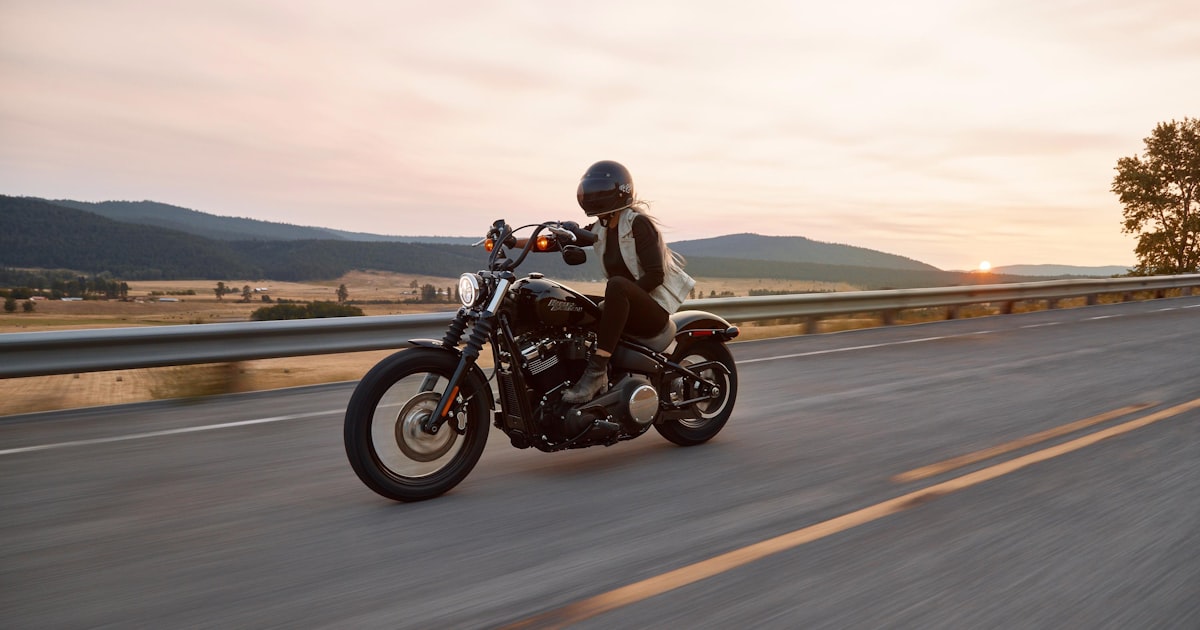
Labor Day weekend marks a bittersweet turn for Northeast Ohio riders. The long, warm evenings that made summer such a pleasure on the road are giving way to shorter days, cooler mornings, and the first wet leaves on the pavement. Riding does not stop when the calendar turns to fall. If anything, many Clevelanders squeeze in as many miles as they can along the Cuyahoga Valley, out to the lakefront, and down Detroit Avenue before the snow arrives. The changing season brings a fresh set of hazards, and the numbers show just how vulnerable motorcyclists remain on Ohio roads.
Across 2021 through 2025, Ohio recorded nearly 19,700 crashes involving motorcycles, causing roughly 17,500 injuries and more than 1,090 deaths. Cuyahoga County, which includes Cleveland, consistently leads the state in the number of motorcycle crashes, and more than a quarter of local motorcycle accidents result in serious injury or death. There is some encouraging news: both crashes and fatalities fell in 2025 to their lowest levels in five years. Even so, a single collision can change a rider’s life in an instant, and understanding your rights under Ohio law has never mattered more.
Why Autumn Riding Near Cleveland Carries Hidden Risks
Fall in Northeast Ohio is beautiful, but it is unforgiving to two wheels. Wet, fallen leaves turn painted lines and manhole covers into slick traps, especially on shaded stretches near the Metroparks. Daylight fades earlier each week, so more riders are on I-90, I-71, and I-480 during the low, blinding sun of the evening commute, when drivers struggle to pick a motorcycle out of the glare. Cooler pavement gives tires less grip, morning frost can linger on bridges and overpasses long after the roadway looks dry, and deer become far more active along suburban and rural roads. None of these hazards excuse a careless driver, but each one raises the stakes for the person on the bike.
How Cleveland Motorcycle Crashes Actually Happen
The most common and deadliest motorcycle crash is the left-turn collision. A driver waiting to turn left across traffic misjudges an oncoming motorcycle’s speed, or simply never sees it, and turns directly into the rider’s path. Ohio law is clear on who is at fault. Under R.C. 4511.42, a driver turning left must yield the right of way to oncoming traffic that is close enough to be a hazard. The familiar excuse, "I never saw the motorcycle," is not a defense; it is an admission that the driver failed to look carefully before turning.
Left turns are not the only danger. Distracted drivers drift into a rider’s lane while looking at a phone, motorists change lanes without checking blind spots and clip a motorcycle they never registered, and parked-car doors swing open into a rider’s path on busy streets like Ohio City’s West 25th. Potholes and uneven pavement that a car would shrug off can throw a motorcycle down. Because a rider has no steel cage or airbags, the same impact that dents a bumper can cause a traumatic brain injury, spinal damage, or worse.
Ohio’s Helmet Law and the Insurance Helmet Defense
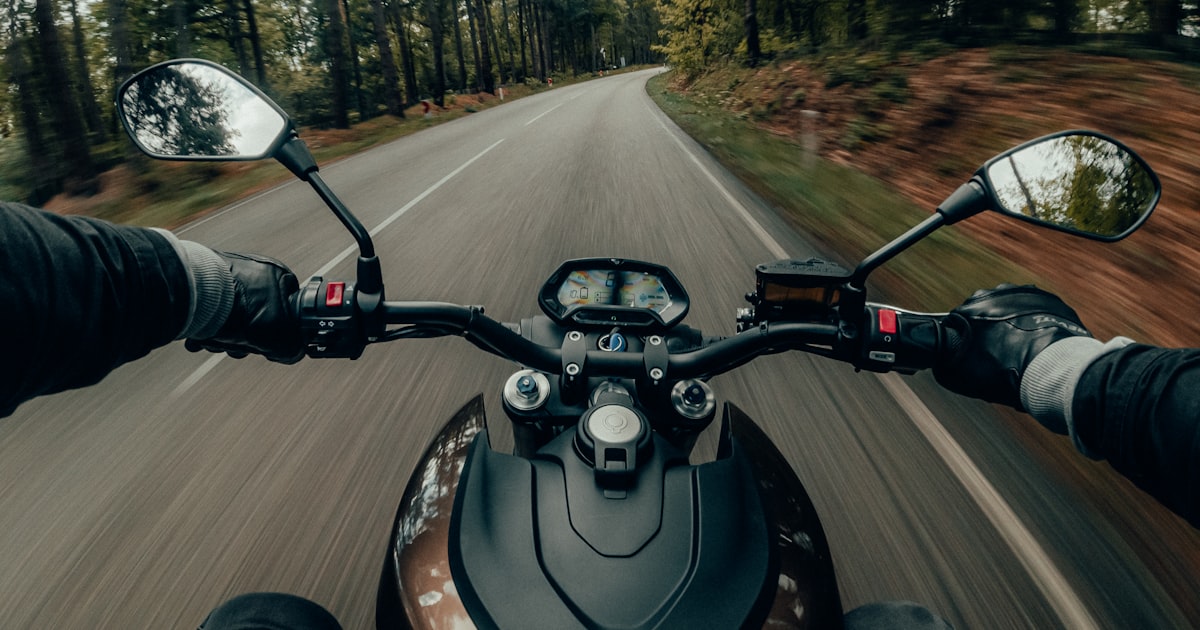
Ohio does not have a universal helmet law. Under R.C. 4511.53, only riders under 18 and those in the first year after earning a motorcycle endorsement, along with their passengers, are required to wear a United States Department of Transportation approved helmet. Many adult riders choose to ride without one, which is legal. State data from 2021 through 2025 shows that about 66 percent of motorcyclists killed in Ohio crashes were not wearing a helmet, a sobering reminder of how much protection a good helmet provides.
After a crash, insurance companies sometimes try to blame an unhelmeted rider for their own injuries in order to slash a payout. That argument deserves a hard look. A rider’s decision not to wear a helmet, when the law does not require one, does not change the fact that another driver caused the collision. An experienced attorney can push back when an insurer tries to shift responsibility away from the person who was actually at fault.
What to Do After a Cleveland Motorcycle Crash
The steps you take in the minutes and days after a crash can protect both your health and your claim. The checklist below walks through what matters most at the scene.
Beyond the scene, seek follow-up care even if you feel fine, because injuries like concussions and internal bleeding can surface hours or days later. Keep every bill, photo, and repair estimate, and write down what you remember while it is fresh. Trauma centers such as MetroHealth and University Hospitals see motorcycle injuries throughout riding season, and their records can become important evidence. Avoid posting about the crash on social media, since insurers do review public profiles.
Ohio’s Deadlines and Your Right to Compensation
Ohio law gives injured riders a limited window to act. Most personal injury claims must be filed within two years of the crash under R.C. 2305.10. If a loved one dies from their injuries, a wrongful death claim carries its own two-year deadline under R.C. 2125.02. When a minor is hurt, R.C. 2305.16 can pause, or toll, the clock until the child turns 18. And if a government vehicle or a poorly maintained public road played a role, the immunity rules in R.C. Chapter 2744 can impose shorter deadlines and special notice requirements, which is one more reason not to wait.

Fault is measured under Ohio’s modified comparative negligence rule, R.C. 2315.33. You can recover damages as long as you are not more than 50 percent responsible for the crash, though your award is reduced by your share of the blame. A rider found 20 percent at fault, for example, would receive 80 percent of the damages. Insurers know this rule and often exaggerate a rider’s fault to cut what they owe, so it helps to have someone gathering the evidence on your side.
When another driver is responsible, you may be entitled to compensation for emergency and ongoing medical care, future treatment and rehabilitation, lost wages and reduced earning capacity, damage to your motorcycle and gear, and the physical pain and emotional toll of your injuries. In the most serious cases, involving brain or spinal cord injury, those costs can stretch across a lifetime, which makes full and fair valuation of the claim so important.
If you or someone you love was hurt in a motorcycle crash anywhere in Cuyahoga County, you do not have to sort it out alone. Our Cleveland accident attorneys handle the insurance companies, investigate how the crash happened, and fight for the full recovery you deserve, including cases involving traumatic brain injury and wrongful death. You can also learn more about Thomas P. Ryan and the rest of our trial team.
Frequently Asked Questions
How long do I have to file a motorcycle accident claim in Ohio?
Does not wearing a helmet hurt my motorcycle accident claim?
What if the crash was partly my fault?
The driver who hit me had no insurance. What are my options?
How much is my Cleveland motorcycle accident case worth?
Should I talk to the insurance company myself?
Talk With a Cleveland Motorcycle Accident Lawyer for Free
If you were injured this riding season, Ryan Injury Attorneys offers a free, no-obligation consultation to review your case and explain your options under Ohio law. You pay nothing unless we win. Call (216) 777-RYAN today or contact us online to get started.