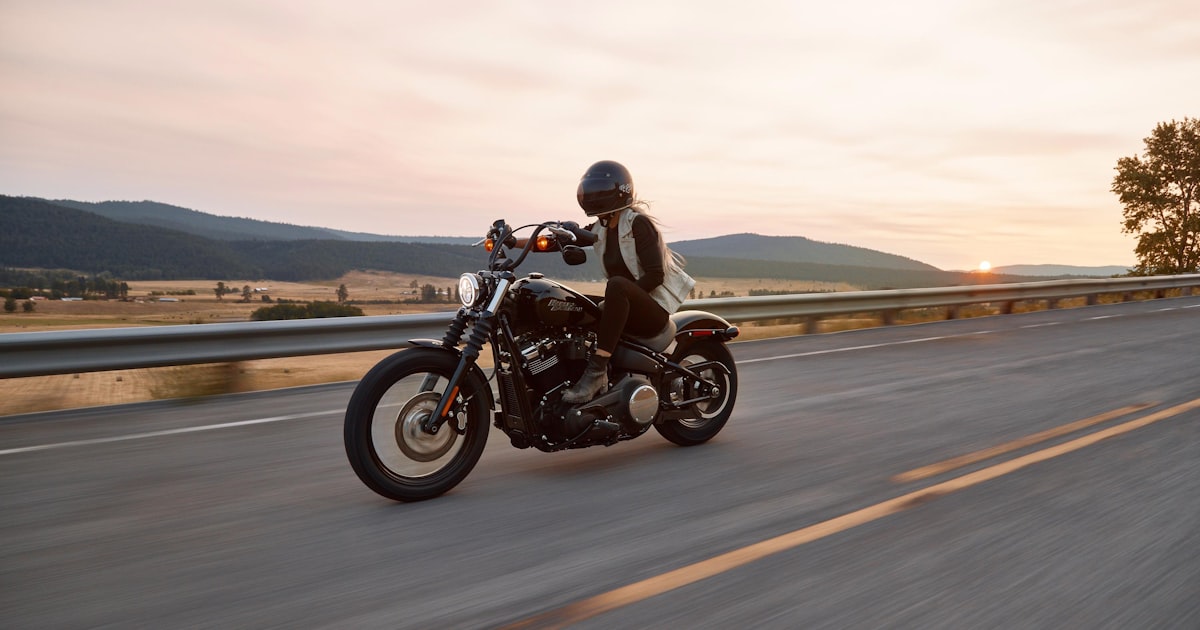
Autumn is the most beautiful time to ride in Northeast Ohio, and the most dangerous. As the leaves turn along the Cuyahoga Valley and riders take their last runs before winter, deer activity surges while daylight shrinks. That combination puts Cleveland motorcyclists at real risk. In September 2026, a Columbus motorcyclist died after swerving to avoid an animal in the road, a stark reminder that for a person on two wheels, a split-second reaction to wildlife can be fatal.
If you or someone you love was hurt in a motorcycle crash this fall, Ohio law gives you the right to seek full compensation. This guide explains why the season is so hazardous, how insurance works after a deer-related wreck, and the steps that protect your claim.
Why Fall Is the Deadliest Season for Cleveland Motorcyclists
Deer collisions are not evenly spread across the year. According to the Ohio State Highway Patrol, Ohio has recorded more than 109,000 deer-related crashes since 2019, and roughly 47 percent of them happen in October, November, and December. The reason is biology: fall is the deer breeding season, or rut, when deer move far more than usual and pay less attention to roads. Stark County, just south of Cleveland, has been the worst county in the state for these crashes.
Two other fall factors stack the deck against riders. The first is light. Deer are most active around dawn and dusk, and the end of daylight saving time pushes the evening commute into darkness, when visibility on a motorcycle is already reduced. The second is road surface: wet leaves, early frost, and the season's first freeze-thaw cycles rob a bike of traction just when a rider may need to brake or swerve hard.
Small Share of Crashes, Outsized Harm
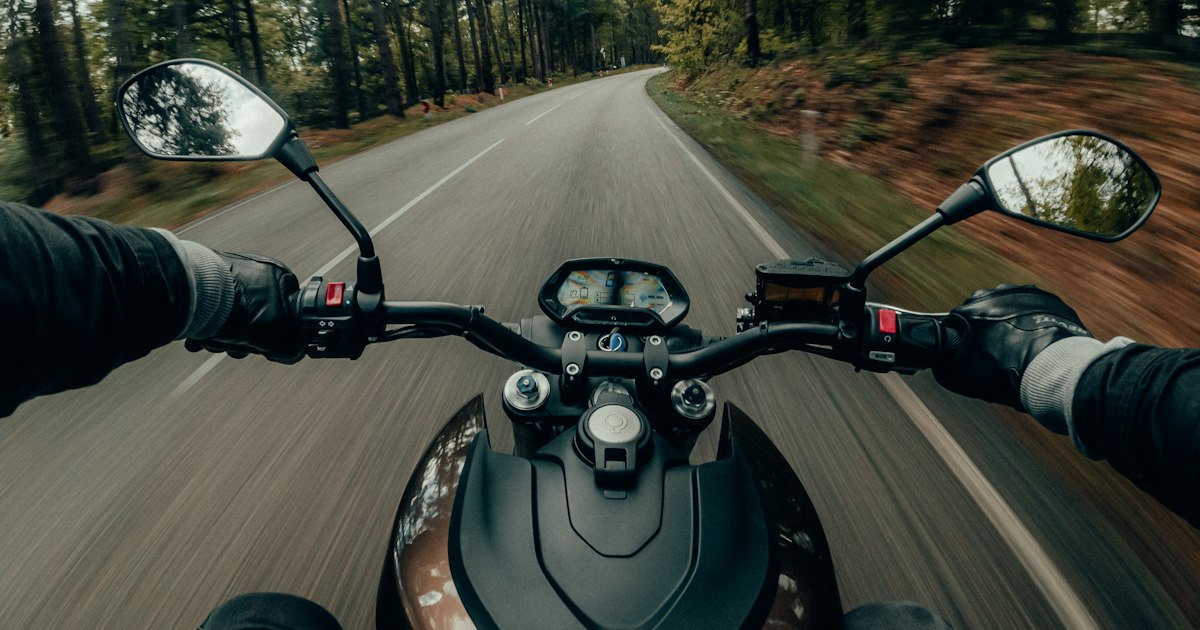
Only about 1 percent of Ohio deer crashes involve a motorcycle, but that number badly understates the danger. A car driver who strikes a deer usually walks away with a dented hood; a rider has no cage, no airbags, and no steel around them. One Canton-area motorcyclist who hit a deer suffered eight broken ribs, torn heart tissue, and collapsed lungs. Many motorcycle deer crashes are not even direct strikes. A rider who lays the bike down while swerving to avoid an animal can suffer the same catastrophic injuries: traumatic brain injury, spinal cord damage, road rash, and multiple fractures.
These are the cases where experienced representation matters most, because the medical bills, lost income, and long-term care needs can climb into the hundreds of thousands of dollars.
Ohio Law and Your Right to Recover
Whether you can recover money after a motorcycle crash depends on who or what caused it. If another driver's negligence played a role, for example a car that cut you off, forced you to swerve, or turned left across your path, you may have a personal injury claim against that driver. Ohio gives injured people two years from the date of the crash to file a lawsuit under Ohio Revised Code section 2305.10. Miss that deadline and your claim is almost always lost.
Ohio also follows a modified comparative negligence rule. Under R.C. section 2315.33, you can still recover damages as long as you were not more than 50 percent at fault, though your award is reduced by your own share of the blame. This matters because insurers often try to pin extra fault on motorcyclists, leaning on a tired bias that riders are reckless. A careful investigation, using the police report, scene photographs, and sometimes an accident reconstruction expert, is often what defeats that unfair narrative.
One point of Ohio law surprises many riders. Ohio does not require every motorcyclist to wear a helmet. Under R.C. section 4511.53, helmets and eye protection are mandatory only for operators under 18 and for those riding on a temporary permit or within their first year of licensure. Even so, an insurance company may raise the question of helmet use to argue about the extent of head injuries, one more reason to have a lawyer managing communications from the start.
Insurance After a Deer-Related Motorcycle Crash
The coverage that applies depends on how the crash happened, and getting this right can mean the difference between a covered claim and an out-of-pocket loss.
When a rider strikes a deer directly and no other vehicle is involved, damage to the motorcycle is generally handled under comprehensive coverage, not collision coverage. Comprehensive is optional in Ohio, so a rider who carries only liability insurance may have no coverage for the bike itself. Medical payments coverage, often called MedPay, can help with medical bills regardless of fault, if you carry it.
The picture changes when another driver is part of the story. If a car forced you off the road and then left the scene, that is a phantom-vehicle situation, and your uninsured motorist coverage may apply even though there was no contact. If an identified at-fault driver carried too little insurance, your underinsured motorist coverage can fill the gap. Many riders do not know what optional coverage they have until a crash forces the question. An attorney can read your policy, identify every source of coverage, and deal with the adjusters so you do not have to.

What to Do After a Cleveland Motorcycle Crash
The steps you take in the first hours and days after a crash affect both your health and any claim. The timeline below shows the sequence that protects both.
First, get medical care even if you feel able to walk away. Adrenaline masks serious injuries, and a gap in treatment gives insurers an argument that you were not really hurt. Second, make sure law enforcement documents the scene, because a crash report is powerful evidence. Third, photograph everything: the road, the lighting, any skid marks, the deer if present, and your injuries. Fourth, preserve the motorcycle and your gear rather than repairing or discarding them. Finally, be careful about recorded statements to any insurer before you have spoken with a lawyer.
When a Motorcycle Crash Turns Fatal
Some fall motorcycle crashes end in tragedy. When a rider is killed, Ohio's wrongful death statute, R.C. section 2125.02, allows the surviving spouse, children, and parents to bring a claim for their losses, including lost financial support, lost companionship, and the mental anguish of losing a loved one. These claims are brought through the personal representative of the estate. If your family is facing this kind of loss, you do not have to sort out the legal process alone.
How Much Is a Motorcycle Injury Claim Worth
Every case turns on its facts. A claim's value reflects medical expenses (past and future), lost wages and reduced earning capacity, the cost of rehabilitation and care, and noneconomic harm such as pain, suffering, and loss of enjoyment of life. Ohio caps noneconomic damages under R.C. section 2315.18, but the law includes an important exception: those caps do not apply in cases involving permanent and substantial physical deformity or the loss of a limb or bodily organ system, which describes many catastrophic motorcycle injuries.
Talk With a Cleveland Motorcycle Accident Lawyer
Deer season peaks over the next several weeks, and the riders hurt in these crashes deserve a firm that understands both the science of a wreck and the human cost of a serious injury. At Ryan Injury Attorneys, we have spent decades standing up for injured people across Northeast Ohio, and we take these cases to trial when insurers refuse to be fair. If you or a family member was injured in a motorcycle crash, call us for a free, no-obligation consultation at (216) 777-RYAN, or reach our team through our contact page. There is no fee unless we win.