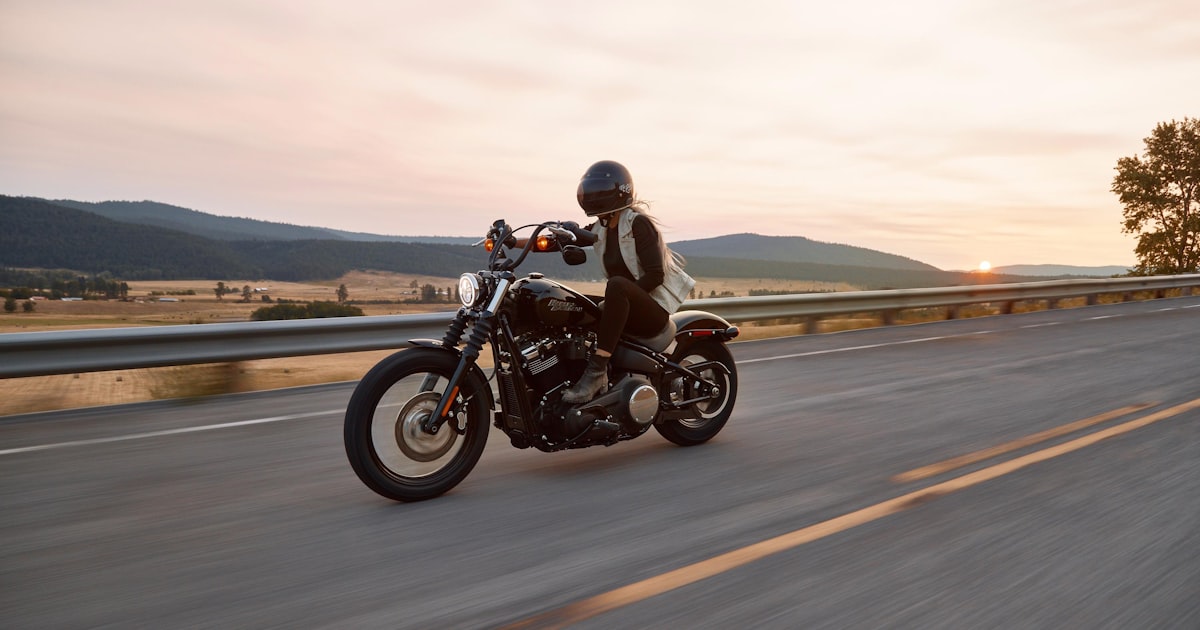
Every May, motorcycles return to Cleveland streets in force, and every year the crash reports climb with the temperature. Ohio State Highway Patrol data shows motorcycle crashes rise sharply from May through September, and mid July sits right at the center of that peak. There is some encouraging news for 2026: statewide motorcycle crashes fell about 10 percent in 2025, and fatalities have dropped roughly 11 percent over two years, the lowest five year total in recent memory. Even so, the losses that remain are devastating, and Cuyahoga County carries more than its share. Over the last five years, roughly 75 percent of riders killed in Cuyahoga County were not wearing a helmet, a rate higher than the statewide average, and about 78 percent of motorcyclists killed in Ohio never completed the state rider training course.
If you ride, those numbers are not meant to frighten you off the road. They are a reminder that when a driver fails to see you, the consequences fall almost entirely on the rider. This guide explains what Ohio law says about your rights after a Cleveland motorcycle crash, the deadlines that can quietly end a strong case, and how fault and compensation actually work in our state.
Why Cleveland Roads Are So Dangerous for Riders
Cleveland gives motorcyclists a difficult mix of high speed freeways and unforgiving surface streets. Interstates 90, 71, and 480 carry heavy traffic that changes lanes without warning, and the notorious Dead Man's Curve on the Shoreway punishes any rider who misjudges it. The Jennings Freeway and the surface routes feeding into downtown add merging conflicts and blind left turns. On top of that, Northeast Ohio winters leave a freeze and thaw legacy of potholes and pavement seams that a car barely notices but that can throw a motorcycle down in an instant.
The single most common motorcycle collision is not a solo crash. It is a car turning left across a rider's path at an intersection, usually followed by the driver saying the dreaded phrase, I never saw the motorcycle. Distracted driving, following too closely, and unsafe lane changes round out the pattern. When any of those failures causes a wreck, Ohio law places responsibility on the negligent driver, not on the rider who happened to be the smaller vehicle.

Ohio's Helmet Law: What R.C. Section 4511.53 Actually Requires
Many riders assume Ohio requires a helmet for everyone. It does not. Under R.C. Section 4511.53, helmets and eye protection are mandatory only for operators under 18, for riders operating on a temporary instruction permit, for those in the first year of a motorcycle license, and for their passengers. Most adult licensed riders in Ohio are legally free to ride without a helmet.
That legal freedom does not stop an insurance company from raising the subject. Adjusters sometimes argue that a rider's decision not to wear a helmet made a head injury worse, and they use that argument to push settlement numbers down. Whether the choice affects a claim at all is fact specific and often contested, and it should never discourage an injured rider or a grieving family from getting advice.
The Deadlines That Can Quietly End Your Claim
Ohio law is not patient with injured people who wait. For most motorcycle injury claims, R.C. Section 2305.10 gives you two years from the date of the crash to file a lawsuit. If a rider dies, a wrongful death claim under R.C. Section 2125.02 carries its own two year deadline, generally running from the date of death. When the injured rider is a minor, R.C. Section 2305.16 can pause, or toll, the clock until the child reaches adulthood, but families should never assume that tolling applies without confirming it.
A separate trap catches riders hurt by a dangerous road, a missing sign, or a defective traffic signal. Claims against a city, county, or other public entity fall under the political subdivision immunity rules of R.C. Chapter 2744, which sharply limit when a government body can be sued and reward prompt investigation. Evidence like skid marks, pavement conditions, and camera footage disappears within days. The timeline below shows why the first month matters as much as the two year outer limit.
How Fault and Compensation Work in Ohio
Ohio follows modified comparative negligence under R.C. Section 2315.33. In plain terms, you can still recover money as long as you were 50 percent or less responsible for the crash, but your award is reduced by your percentage of fault. If a jury decides you were 20 percent at fault, you receive 80 percent of your damages. Cross the line to more than 50 percent, and recovery is barred entirely. Because insurers know this, they work hard to pin blame on riders, which is exactly why preserving evidence early is so valuable.
When a claim succeeds, Ohio recognizes two broad categories of damages. Economic damages cover measurable losses such as emergency care at MetroHealth or the Cleveland Clinic, future surgeries, rehabilitation, lost wages, and reduced earning capacity. Noneconomic damages cover pain, disfigurement, and the human toll of a serious injury. Ohio caps many noneconomic damages under R.C. Section 2315.18, but that cap does not apply to permanent and catastrophic injuries, including the loss of a limb or a permanent physical deformity. Motorcycle crashes produce exactly those life altering injuries, so the cap exception frequently matters. Riders who suffer a serious head injury should also understand how a Cleveland brain injury claim is valued, and families who have lost a loved one can learn more from our Cleveland wrongful death lawyers.
What to Do After a Cleveland Motorcycle Crash
The steps you take in the first hours can protect both your health and your claim. Call 911 and let officers document the scene. Accept medical evaluation even if you feel able to stand, because adrenaline routinely masks traumatic brain injuries and internal bleeding that surface hours later. If you can, photograph the vehicles, the roadway, and your gear, and collect names and numbers from witnesses before they leave. Preserve your motorcycle and helmet exactly as they are rather than repairing or discarding them, since they are physical evidence. Finally, decline to give a recorded statement to the other driver's insurer until you have spoken with a lawyer.

These same instincts help in any serious wreck, whether you are on two wheels or four. If your crash also involved a passenger vehicle at fault, our Cleveland car accident lawyers can explain how the claims overlap.
How a Cleveland Motorcycle Accident Lawyer Can Help
An experienced trial lawyer does the work that levels the field against an insurance company. That means locating every applicable policy, including your own uninsured and underinsured motorist coverage when the at fault driver has little or none. It means hiring reconstruction experts, gathering the intersection footage before it is erased, documenting the full lifetime cost of a catastrophic injury, and preparing the case as if it will be tried, because that is what earns fair settlements. At Ryan Injury Attorneys, that preparation is led by attorneys like Thomas P. Ryan, a Board Certified Civil Trial Advocate who has spent his career representing seriously injured Ohioans.
Frequently Asked Questions
How long do I have to file a motorcycle accident claim in Ohio?
Does not wearing a helmet hurt my claim in Ohio?
What if the driver who hit me was uninsured?
Can I recover if I was partly at fault for the crash?
What is my Cleveland motorcycle accident case worth?
How much does a motorcycle accident lawyer cost?
Hurt in a Cleveland Motorcycle Crash? Talk to Us for Free.
The 2026 riding season is at its peak, and the two year clock under Ohio law is already running. Ryan Injury Attorneys offers a free, no pressure consultation, and you pay no fee unless we recover for you. Call (216) 777-RYAN today or reach us through our contact page to protect your rights.