

On the night of October 2, 2026, a security guard was shot outside a Cleveland apartment complex. For the families who live, park, and walk through properties like it every day, that kind of news lands hard. It is a reminder that the places where we are invited to be, apartment grounds, parking garages, stores, bars, and hotels, are not always as safe as they look. When a violent attack happens on someone else property, many people assume the only person responsible is the attacker. Ohio law recognizes something more.
When a property owner or manager knew, or reasonably should have known, that violence was foreseeable and still failed to take reasonable steps to protect the people they invited in, that owner can share legal responsibility for the harm that follows. This area of law is called negligent security. It exists to protect the people who trusted that a property was being kept reasonably safe. If you or someone you love was hurt in a preventable attack in Cuyahoga County or anywhere in Northeast Ohio, you have rights, and you do not have to sort them out alone.
What Is Negligent Security Under Ohio Law?
Negligent security is a form of premises liability, the same body of law that governs a slip on an icy walkway or a fall down a broken stair. The difference is the kind of danger involved. Instead of a physical hazard, the danger is foreseeable criminal conduct by a third person, such as an assault, a robbery, or a shooting. Ohio property owners owe people they invite onto their land a duty of ordinary and reasonable care. In the right circumstances, that duty includes taking sensible measures to guard against violence the owner had reason to anticipate.
Ohio generally does not make a property owner the insurer of everyone safety, and an owner is not automatically liable just because a crime occurred. The question is whether the owner acted reasonably in light of what they knew or should have known. That is a fact driven inquiry, and it is exactly the kind of question a thorough investigation is built to answer.
When Does a Property Owner Owe You a Duty?
Two ideas drive most Ohio negligent security claims: your status on the property, and whether the harm was foreseeable.
Your status matters because owners owe the highest level of care to invitees, people who are on the property for a purpose connected to the owner business or with the owner permission, such as tenants, shoppers, hotel guests, and patrons. Landlords, in turn, owe duties to tenants and their guests in the common areas they control, like parking lots, stairwells, lobbies, and walkways.
Foreseeability is usually the heart of the case. Ohio courts evaluate it under the totality of the circumstances, and prior similar incidents carry significant weight. If there had been earlier assaults, robberies, shootings, or other violent crimes on the property or in the immediate area, a court is far more likely to find that the owner should have anticipated the risk. Evidence can include police call history, past incident reports, crime in the surrounding neighborhood, and the owner own internal records and complaints from tenants or customers. When an owner knew about a pattern of danger and did little or nothing, the case for liability grows stronger.
Common Places Negligent Security Claims Arise in Cleveland
Negligent security claims can come out of almost any property open to the public or shared by residents. In Northeast Ohio, some of the most common settings include:
- Apartment complexes and rental housing, where broken gates, failed door locks, burned out lighting, and absent or untrained security leave residents exposed in parking areas and hallways.
- Parking garages and lots, including those serving downtown venues, hospitals, and entertainment districts, where poor lighting and no patrols create blind spots.
- Bars, nightclubs, and restaurants, where a history of fights or overserving can make violence foreseeable and where crowd control and trained staff matter.
- Hotels and motels, where guests reasonably expect secure entrances, working locks, and reasonable monitoring.
- Shopping centers, gas stations, and ATMs, where owners invite the public but sometimes ignore known safety problems.
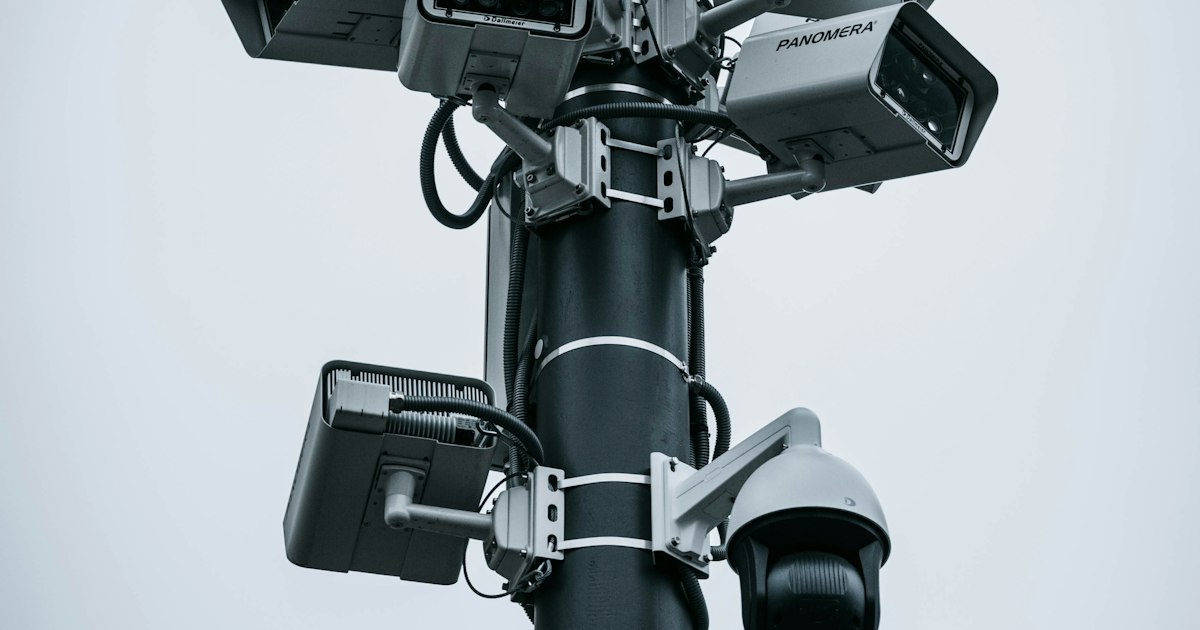
What ties these together is a simple principle. When a business or landlord invites people in and has reason to know of a real danger, it should take reasonable steps, working locks and lighting, functioning cameras, adequate staffing, and sensible access control, to reduce it.
How a Negligent Security Case Is Proved
Most successful claims turn on four building blocks: that the owner owed you a duty, that the owner breached it by failing to provide reasonable security, that the breach was a proximate cause of your injuries, and that you suffered real damages. The second and third pieces are where cases are usually won or lost, and they depend on evidence that can disappear quickly.
Surveillance footage is often overwritten within thirty to ninety days. Witnesses move or forget. Broken locks get repaired and burned out lights get replaced, erasing the very conditions that proved the danger. That is why acting early is so important. A prompt investigation can preserve video, document conditions, gather police records of prior crimes, and put the property owner on formal notice to keep evidence. The timeline below shows why the first weeks matter so much.

Deadlines You Cannot Afford to Miss
Ohio sets firm time limits. Under R.C. 2305.10, most claims for bodily injury must be filed within two years of the date of injury. If an attack is fatal, a wrongful death claim carries its own two year period under R.C. 2125.02, generally measured from the date of death. Special rules under R.C. 2305.16 can pause the clock for a minor or a person of unsound mind. Because the deadlines and the evidence both run out fast, the smartest move after a serious attack is to talk with a lawyer right away.
One important wrinkle involves public property. If the attack happened at public housing or another government owned site, the owner may be a political subdivision that can assert immunity under R.C. Chapter 2744. These claims are not hopeless, but they come with strict notice requirements and narrow exceptions, so they need to be evaluated quickly by counsel who handles them.
What Compensation May Be Available
Victims of a preventable attack often face far more than a hospital bill. A violent assault or shooting can cause lasting physical injuries, including a traumatic brain injury, along with deep emotional trauma. Depending on the facts, compensation in a negligent security case may include past and future medical care, lost wages and lost earning capacity, pain and suffering, and the profound losses a family suffers in a wrongful death. Ohio comparative fault rules under R.C. 2315.33 allow recovery as long as the injured person is not more than fifty percent at fault, with any award reduced by their own share of responsibility. A careful lawyer makes sure the fault conversation stays honest and that the full scope of your losses is counted.
Talk With a Cleveland Negligent Security Lawyer
If you or a loved one was hurt in a violent attack that reasonable security might have prevented, you deserve answers, and you deserve them before the evidence disappears. At Ryan Injury Attorneys, we investigate how the attack happened, whether the owner ignored known dangers, and what it will take to make things as right as the law allows. Your consultation is free, and you owe us nothing unless we recover for you. Call (216) 777-RYAN or contact us today to speak with our team about your case.