

Most people assume that if they are attacked in a parking garage, an apartment stairwell, or a hotel corridor, the only person who could ever be held accountable is the attacker. That assumption costs Ohio families a great deal. Under Ohio premises liability law, the company that owns or manages the property can also bear responsibility when it knew violence was likely and did nothing meaningful to prevent it.
These are called negligent security cases, and summer is when they cluster. Longer nights downtown, packed lots around Progressive Field and Rocket Mortgage FieldHouse, festival crowds along the lakefront, and busy garages near the Warehouse District and East 4th all create conditions where thin security gets exposed.
What Ohio Law Actually Requires of Property Owners
Ohio does not make a landlord or business the insurer of everyone's safety. Nobody is expected to stop every crime. What the law does require is reasonable care to protect lawful visitors from dangers the owner knows about or should know about, and that duty can extend to the criminal acts of third parties.
The pivot point is foreseeability. If a shopping plaza has had four armed robberies in its lot over 18 months, a fifth is not a bolt from the blue. If tenants have reported a broken security gate for months, an intruder walking straight in is not unpredictable. Once a pattern like that exists, an owner who leaves lights burned out, cameras unplugged, and doors propped open is making a choice, and Ohio law lets a jury evaluate that choice.
Where These Cases Arise in Cuyahoga County
Ryan Injury Attorneys sees negligent security claims arise in a recognizable set of places across Greater Cleveland:
- Apartment complexes and rental housing, where broken entry doors, disabled callbox systems, and unlit courtyards create easy access for people who do not belong there.
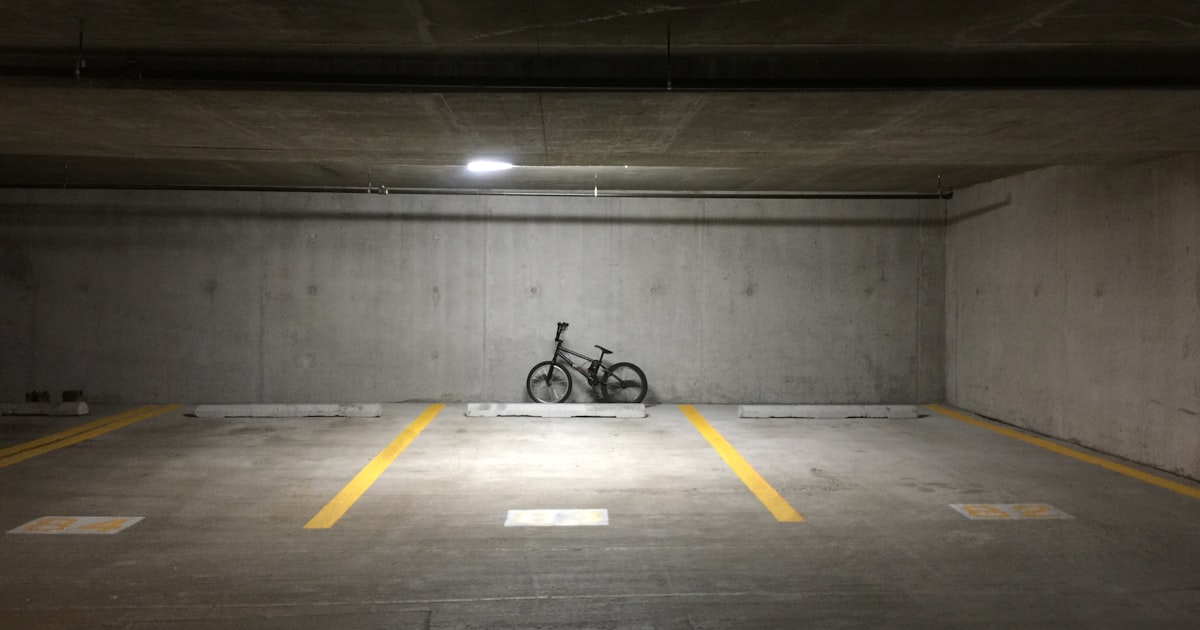
- Parking garages and surface lots serving downtown offices, the theater district, and the hospital campuses along Euclid Avenue, where visitors walk to their cars alone late at night.
- Bars, nightclubs, and event venues, where undertrained or overaggressive door staff, or simply too few of them, allow fights to escalate into serious injuries.
- Hotels and short-term rentals, where key card systems fail, doors do not latch, or staff let strangers into guest floors.
- Gas stations and convenience stores operating overnight in areas with a documented robbery history and no security presence at all.
- Retail plazas and grocery lots, where cameras exist for shoplifting purposes but nobody monitors the perimeter where customers actually walk.
Injuries in these cases tend toward the severe end: gunshot wounds, stabbings, skull fractures, and the brain injuries that follow. Victims frequently end up at MetroHealth's trauma center or University Hospitals, and the bills can pass six figures before anyone thinks about a legal claim.
Proving the Case: The Four Elements
A negligent security claim in Ohio has to clear four hurdles. Understanding them helps explain why some cases move quickly and others do not.
1. A duty was owed to you
Your status on the property matters. Tenants, hotel guests, customers, and invited visitors are owed the highest level of care. Someone present without permission is owed considerably less. Most legitimate negligent security cases involve people who had every right to be where they were.
2. The attack was foreseeable
This is where cases are usually won or lost. Police call logs for the address, prior incident reports, tenant complaint records, insurance loss runs, and even the owner's own security assessments become the heart of the file. Cleveland's open data on reported crime incidents can help establish neighborhood context, though a strong case usually needs history tied to the specific property.
3. Security measures fell below what was reasonable
Reasonableness is judged against the risk. A quiet suburban office may need very little. A complex with a documented pattern of armed robbery may need controlled access, functioning cameras that somebody actually watches, adequate lighting, and in some cases live security personnel. Industry standards and what comparable properties nearby were doing both come into play.
4. The failure caused your injuries
The defense will argue that a determined criminal would have found a way regardless. The answer usually lies in specifics: the assailant entered through the gate that had been broken for six weeks, or fled through the exit the camera would have covered had it been repaired. Details win these arguments.

The Deadlines, and Why Waiting Hurts You Twice
Ohio generally gives an injured person two years from the date of injury to file suit under R.C. 2305.10. If the victim was a child when the attack occurred, R.C. 2305.16 can toll that period until they reach 18. When a fatality is involved, a wrongful death action under R.C. 2125.02 is brought by the personal representative of the estate on behalf of the surviving spouse, children, and parents.
There is an important wrinkle. If the property belongs to a political subdivision, a city housing authority, a public school, or a transit agency, R.C. Chapter 2744 immunity analysis applies and the practical deadlines can be far shorter than two years. Do not assume you have the full window.
The second reason waiting hurts is evidence. Two years is generous by statute and brutal in practice. Surveillance footage is commonly overwritten in 14 to 30 days. Burned out bulbs get replaced and broken gates get fixed, and with them goes the proof of what the property looked like the night you were hurt. Guard schedules and incident logs are discarded on routine retention cycles. A lawyer who gets involved early can send a spoliation letter that legally obligates the owner to preserve all of it.
What to Do If You Were Attacked on Someone Else's Property
- Get medical treatment immediately and be candid with providers about how the injury happened.
- Report the incident to police and get the report number. Also report it in writing to the property manager or business, and keep a copy.
- Photograph the scene that night if you safely can: the lighting, the broken lock, the propped door, the camera pointed at nothing.
- Write down the names of any witnesses, security staff, or employees present.
- Do not give a recorded statement to the property's insurance company before you have talked with a lawyer.
- Contact an attorney quickly so that video and records can be preserved before they are gone.
How Our Firm Approaches These Claims
These cases require investigation well beyond the police report. We request years of calls for service at the address, subpoena incident logs and guard schedules, obtain the property's own risk assessments, and work with security experts who can testify about what the industry expected.
If your injuries involve a head injury or lasting cognitive change, our Cleveland brain injury lawyers build the medical proof alongside the liability case. When an attack proves fatal, our Cleveland wrongful death attorneys guide families through the probate steps required before a claim can move forward. You can read more about Thomas P. Ryan and his trial background, or browse our video library for plain-language answers to common questions.
Frequently Asked Questions
Can I sue a property owner in Ohio if someone else attacked me?
How long do I have to file a negligent security claim in Ohio?
What does foreseeability actually mean in these cases?
Does it matter that the attacker was never caught?
What evidence disappears fastest after an attack?
What kinds of compensation are available?
Talk With a Cleveland Negligent Security Lawyer
If you or someone you love was assaulted at an apartment complex, garage, hotel, bar, or store in Greater Cleveland, the property owner's insurance company has already started building its defense. You deserve the same head start. Ryan Injury Attorneys offers a free, no obligation consultation, and we handle these cases on a contingency fee, meaning you owe nothing unless we recover for you.
Call (216) 777-RYAN or reach us through our contact page. The sooner we can act, the more of the evidence we can save.