

On the first Sunday of November, clocks across Ohio fall back one hour, and the evening rush hour in Cleveland suddenly happens in the dark. For a driver it is a minor inconvenience. For the thousands of people who walk home from work, school, and bus stops along Euclid Avenue and Lorain Avenue, that single hour can be the difference between arriving home safely and being struck by a car they never saw coming. Every fall, as daylight drains out of the commute, pedestrian crashes climb across Northeast Ohio.
If you or someone you love was hit while walking, you are likely facing medical bills, lost income, and an insurer already looking for a reason to pay less. This guide explains why the danger rises this time of year, what Ohio law says about fault, and how an experienced Cleveland pedestrian accident attorney can protect your right to full compensation.
Why Fall and Winter Are the Deadliest Seasons for Ohio Pedestrians
Pedestrian deaths in the United States remain near historic highs. According to the Governors Highway Safety Association, drivers killed an estimated 7,148 people who were walking in 2024, still nearly 20 percent above the 2016 level even after a small decline.
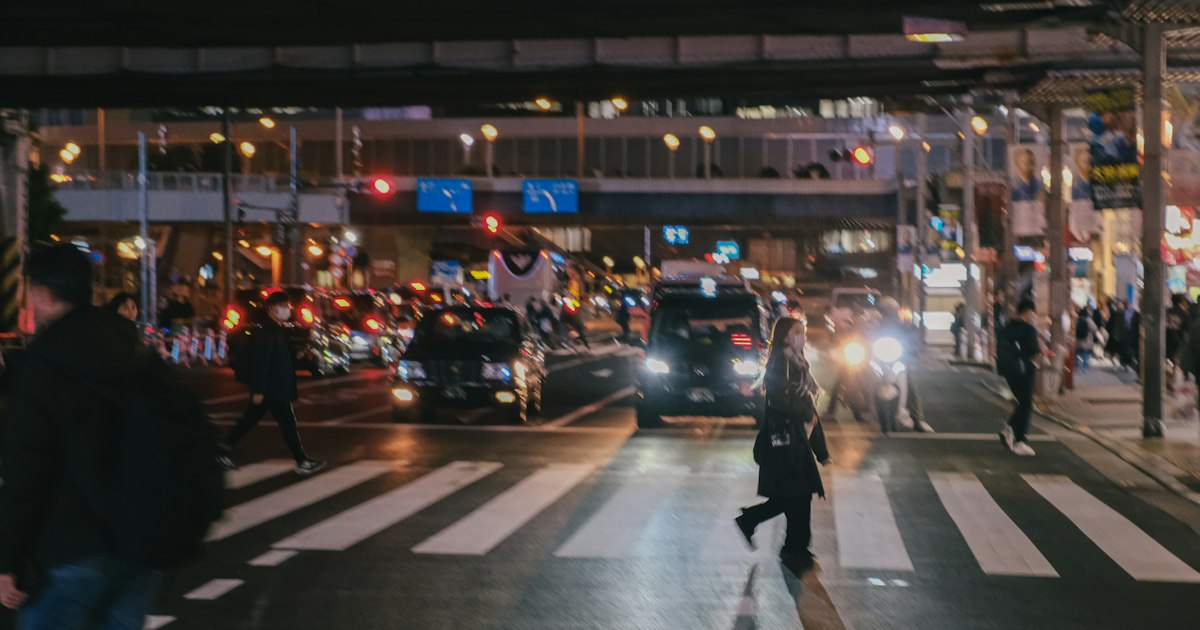
The single biggest factor is darkness. More than three quarters of pedestrian fatalities now happen after dark, and nighttime deaths jumped 84 percent between 2010 and 2023. When the clocks change and sunset slides into the late afternoon, the evening commute moves into the low light conditions drivers handle worst. One widely cited analysis by Carnegie Mellon researchers found that the risk to people on foot during the evening hours nearly tripled in the weeks right after the fall time change.
Cleveland adds hazards of its own. Rain off Lake Erie, early frost, and glare off wet pavement all shorten how far a driver can see, while streets like Superior Avenue and St. Clair Avenue carry heavy foot traffic near crosswalks that are not always well lit. The result is a predictable, largely preventable rise in pedestrian injuries every November through February.

Who Has the Right of Way Under Ohio Law?
Fault in a pedestrian case usually turns on who had the right of way and whether each person acted reasonably. Ohio law protects pedestrians, but it also places duties on them.
Under R.C. 4511.46, when a pedestrian is lawfully in a crosswalk, marked or unmarked at an intersection, and no signal is directing traffic, drivers must yield and slow or stop as needed, and may not pass another vehicle stopped to let someone cross. At the same time, a pedestrian may not suddenly leave a curb into the path of a car so close it is an immediate hazard.
Outside a crosswalk, the balance shifts. R.C. 4511.48 says a pedestrian crossing at any point other than a crosswalk must yield the right of way to vehicles on the roadway. That does not hand drivers a free pass. Subsection (E) of the same statute is explicit that a driver still has a duty to exercise due care to avoid colliding with any pedestrian. Ohio’s assured clear distance rule under R.C. 4511.21 reinforces the point: a driver must be able to stop within the distance they can actually see, which is far shorter at night and in bad weather. In practice, a driver who strikes a person in the dark frequently shares the fault, or carries most of it, even when the pedestrian was not in a crosswalk.
What Commonly Causes Cleveland Pedestrian Crashes
Most pedestrian crashes trace back to a few driver behaviors:
- Failure to yield while turning. Drivers turning left across a crosswalk often watch for a gap in oncoming traffic instead of the people stepping off the curb in front of them.
- Distracted driving. A driver glancing at a phone for two seconds at city speed travels the length of a basketball court blind.
- Larger, heavier vehicles. Light trucks and SUVs accounted for 54 percent of pedestrian deaths where the vehicle type was known, and their tall front ends make each impact more severe.
- Speed and impairment. Both lengthen reaction time and worsen every impact.
- Poor infrastructure. Nearly two thirds of pedestrian deaths happen where the crash report noted no sidewalk.
Hit and run is also a growing problem: roughly one in four pedestrian deaths over the past five years involved a driver who fled. When that driver cannot be found, your own uninsured or underinsured motorist coverage may step in to pay your damages.
What to Do After a Pedestrian Crash in Cleveland
The steps you take in the first hours and days often shape the entire case. The timeline below shows what matters most, and when.
Get medical attention even if you feel fine, because head and internal injuries often hide behind adrenaline. Ask police to respond and create a report. If you are able, photograph the scene, the vehicle, and the lighting, and collect the driver’s information and the names of any witnesses. Do not give the at fault driver’s insurer a recorded statement before you speak with a lawyer, and keep your clothing and damaged belongings as they are.
How Ohio’s Comparative Negligence Rule Affects Your Claim
Expect the insurance company to argue that you were to blame, that you wore dark clothing or crossed mid block. Ohio follows a modified comparative negligence rule under R.C. 2315.33. You can still recover as long as your share of the fault is not greater than the combined fault of everyone else involved. In plain terms, if you are 50 percent or less at fault you may recover, but if you are more than 50 percent at fault you recover nothing, and any award is reduced by your own percentage of fault.
Because a few percentage points can decide whether you collect anything, the fight over fault is often the heart of a pedestrian case. Camera footage, vehicle event data, and witness testimony push that percentage in your favor, and securing it early is one of the most valuable things a lawyer does.
Deadlines You Cannot Afford to Miss
Ohio gives you a limited window to act. Most pedestrian injury claims must be filed within two years of the crash under R.C. 2305.10, and a wrongful death claim within two years of the date of death under R.C. 2125.02. When the injured person is a minor, R.C. 2305.16 can pause the clock until they turn 18, but you should never rely on tolling without legal advice. Claims involving a government vehicle, such as an RTA bus, bring added immunity rules under R.C. Chapter 2744 and need prompt attention. Evidence fades fast too, since camera footage is often overwritten within days, so an early investigation is critical.
Compensation You May Be Able to Recover
Depending on the facts, a successful claim may recover past and future medical care, including rehabilitation for a traumatic brain injury or a spinal cord injury; lost wages and reduced earning capacity; pain and suffering; disfigurement; and long term care. When a pedestrian does not survive, Ohio’s wrongful death statute lets close family pursue compensation for their loss, including lost support and companionship.
Frequently Asked Questions
Who pays if the driver who hit me had no insurance or left the scene?
The driver says I was jaywalking. Can I still recover compensation?
How long do I have to file a pedestrian accident claim in Ohio?
What if I was not in a crosswalk when I was hit?
How much is my Cleveland pedestrian accident case worth?
Do I really need a lawyer, or can I handle the insurer myself?
Talk With a Cleveland Pedestrian Accident Lawyer Today
If you or a family member was hurt while walking in Cleveland or anywhere in Northeast Ohio, do not let an insurance company decide what your recovery is worth. The team at Ryan Injury Attorneys, led by Thomas P. Ryan, Esq., has spent decades holding negligent drivers accountable, and we never charge a fee unless we win. Call us today at (216) 777-RYAN for a free, no obligation consultation, or reach us through our contact page, and we will handle the insurers so you can focus on healing.