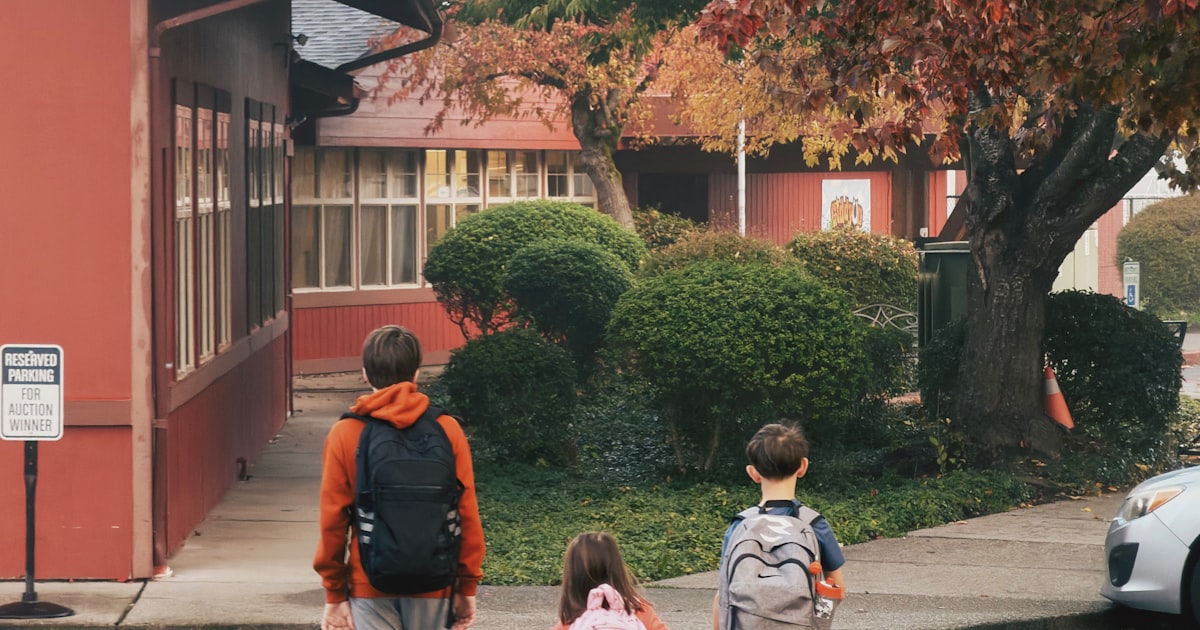

Every August, Cleveland sidewalks and crosswalks fill up again as thousands of students head back to class. Buses stop on residential streets, teenagers walk to bus shelters before sunrise, and parents cross busy roads holding small hands. It is one of the most hopeful times of the year, and unfortunately one of the most dangerous for people on foot. As the new school year begins in 2026, it is worth knowing exactly what Ohio law says about pedestrian rights, who can be held responsible after a crash, and the deadlines that can quietly decide whether an injured person recovers anything at all.
At Ryan Injury Attorneys, we represent people who were simply trying to cross the street when a distracted or speeding driver changed their lives. This guide explains the rules that matter most for Cleveland families this fall.
Why Fall Is a High-Risk Season for Cleveland Pedestrians
The return to school reshapes traffic patterns almost overnight. Morning commutes overlap with children walking to school, afternoon pickup lines clog neighborhood streets, and shorter days mean more people are walking in low light by the time fall sports and activities let out. Add Northeast Ohio weather, from early sunset glare to the first cold rain off Lake Erie, and the risk to pedestrians climbs.
City crash data underscores the problem. Cleveland reported that at least 603 people walking or biking were struck by motorists in a single recent year, up from 550 the year before, and pedestrian and cyclist deaths rose sharply over the same period. The city has adopted a Vision Zero commitment aimed at eliminating traffic deaths, but the numbers show how far there is to go. For families near busy corridors like Lorain Avenue, Euclid Avenue, and the streets around Cleveland Metropolitan School District campuses, the danger is not abstract.

Ohio Law and the Pedestrian Right of Way
Many people believe pedestrians always have the right of way. Ohio law is more precise than that. Under R.C. 4511.46, a driver must yield the right of way and slow down or stop for a pedestrian who is lawfully crossing within a marked crosswalk or within an unmarked crosswalk at an intersection. Drivers cannot pass another vehicle that has stopped to let a pedestrian cross.
At the same time, R.C. 4511.48 places duties on pedestrians. A person crossing outside of a crosswalk, sometimes called jaywalking, must yield to vehicles on the roadway. This does not give drivers permission to hit someone; every motorist still has a duty to use ordinary care and to avoid a collision. But it does mean that where a person was crossing can affect how fault is divided.
School zones carry heightened rules. Ohio sets a 20 mile per hour limit in marked school zones during posted times under R.C. 4511.21, and drivers must stop for school buses displaying flashing red lights. A driver who speeds through an active school zone or blows past a stopped bus is not just risking a ticket; that conduct can be powerful evidence of negligence if a child is hurt.
Aspen Runnels Law: Ohio's Pending School-Zone Bill
This school year arrives against the backdrop of a proposed law that grew out of tragedy. Aspen Runnels, a teenager, was struck and killed in 2024 while walking between school buildings. In response, Ohio lawmakers introduced House Bill 203, known as Aspen Runnels Law, to increase penalties for drivers who kill or seriously injure someone while speeding or committing a traffic offense in an active school zone.
As proposed, the bill would raise vehicular manslaughter in an active school zone to a fourth-degree felony and vehicular assault to a fifth-degree felony, and it would double certain fines for traffic offenses in school-adjacent areas. The Ohio House of Representatives passed House Bill 203 on March 25, 2026. Importantly, the measure is still pending in the Ohio Senate and has not yet been signed into law, so the current penalties remain in effect for now. We are watching its progress closely, because stronger criminal accountability often runs parallel to a family right to pursue a civil injury or wrongful death claim.
Who Can Be Held Responsible After a Pedestrian Crash
Identifying every responsible party is one of the most valuable things a lawyer does early in a case. In a Cleveland pedestrian claim, liability may extend beyond the obvious driver:
The driver is the most common defendant, whether the cause was distraction, speeding, impairment, failing to yield at a crosswalk, or making a turn without looking. When a driver was working at the time, delivering goods or driving for a company, the employer may also be responsible under Ohio agency principles. If a poorly designed intersection, a broken traffic signal, or overgrown vegetation blocking a crosswalk contributed, a government entity may bear responsibility, though claims against public bodies are limited by R.C. Chapter 2744 and carry shorter deadlines and special notice rules. In cases involving a school bus or a city vehicle, that same immunity framework applies, along with its exception for the negligent operation of a motor vehicle.

What to Do After a Pedestrian Accident in Cleveland
The hours and days after a crash shape the strength of any future claim. If you or your child is able, the following steps help protect both your health and your legal rights.
Call 911 so there is an official police report, and accept medical evaluation even if you feel able to walk away; internal injuries and concussions are not always obvious at the scene. If you can, photograph the crosswalk, signals, skid marks, and the vehicle position, and collect the names and phone numbers of any witnesses before they leave. Finally, be cautious with insurance adjusters. An early call from the driver insurer may seem friendly, but a recorded statement can be used to shift blame. It is wise to speak with a lawyer before giving one.
Deadlines and Compensation Under Ohio Law
Ohio generally allows two years from the date of a pedestrian injury to file a personal injury lawsuit under R.C. 2305.10. When the injured person is a child, R.C. 2305.16 can pause the statute of limitations until the child turns 18, though evidence still fades quickly and early investigation matters. If a pedestrian is killed, surviving family members may bring a wrongful death claim under R.C. 2125.02, which allows recovery for losses such as support, companionship, and the family emotional suffering.
Compensation in a successful claim can include past and future medical bills, lost wages and lost earning capacity, pain and suffering, and the cost of long-term care after a catastrophic injury. Because Ohio uses modified comparative negligence under R.C. 2315.33, an injured pedestrian can still recover as long as they are not more than 50 percent at fault, with any award reduced by their share of responsibility. Insurers know this rule and often try to overstate a pedestrian fault, which is one more reason to have an advocate on your side.
If you were hurt while walking, our Cleveland pedestrian accident lawyers can help you understand your options. We also handle related matters, from car accident claims to wrongful death cases when a family has lost someone they love. You can also learn more about attorney Thomas P. Ryan and our trial approach.
Frequently Asked Questions
How long do I have to file a pedestrian accident claim in Ohio?
Do pedestrians always have the right of way in Ohio?
What is Aspen Runnels Law and is it in effect yet?
Can I recover damages if I was partly at fault for crossing?
What if the driver who hit me was a city or school vehicle?
How much does it cost to hire a Cleveland pedestrian accident lawyer?
Talk With a Cleveland Pedestrian Accident Lawyer for Free
If you or your child was hurt in a pedestrian crash, you do not have to sort it out alone. Ryan Injury Attorneys offers a free, no-obligation consultation, and you pay nothing unless we win your case. Call (216) 777-RYAN today or reach us through our contact page to protect your rights this school year.