

Late summer is one of the busiest seasons for gatherings across Northeast Ohio. County fairs fill the calendar, from the Great Geauga County Fair over Labor Day weekend (one of the oldest fairs in the country) to the Cuyahoga County Fair in Berea and events across Lake, Lorain, and Medina counties. Families drive to Cedar Point in Sandusky, crowd the festivals along the Cleveland lakefront, and pack the patios, ballparks, and shopping centers that stay busy until the weather turns. Large crowds, temporary structures, and long operating hours create the exact conditions where a person can get hurt on someone else’s property. When that happens, Ohio premises liability law decides who is responsible.
What Premises Liability Means Under Ohio Law
Premises liability is the area of Ohio law that holds property owners and occupiers accountable when an unsafe condition injures a lawful visitor. The duty an owner owes depends on why you were there. Ohio courts sort visitors into three traditional categories. An invitee is someone invited onto the property for a purpose that benefits the owner, such as a paying fairgoer, a shopper, or a restaurant guest; the owner owes an invitee ordinary and reasonable care to keep the premises safe and to warn of hidden dangers. A licensee enters for their own purposes with permission, such as a social guest, and is owed a lower duty. A trespasser, who enters without permission, is generally owed only a duty not to cause willful or wanton harm. Most people hurt at a fair, festival, store, or venue are invitees, which is the category that carries the strongest protection.
The Open and Obvious Doctrine, and Its Limits
Ohio follows the open and obvious doctrine, and it is one of the most important rules to understand before you assume you have a claim. When a hazard is so visible and apparent that a reasonable person would notice and avoid it, the property owner generally owes no duty to protect against it or to warn about it. Ohio is among the minority of states where this doctrine acts as a complete bar to the duty element, not merely a factor a jury weighs. A puddle in broad daylight, marked with a bright caution sign beside it, may well be treated as open and obvious.
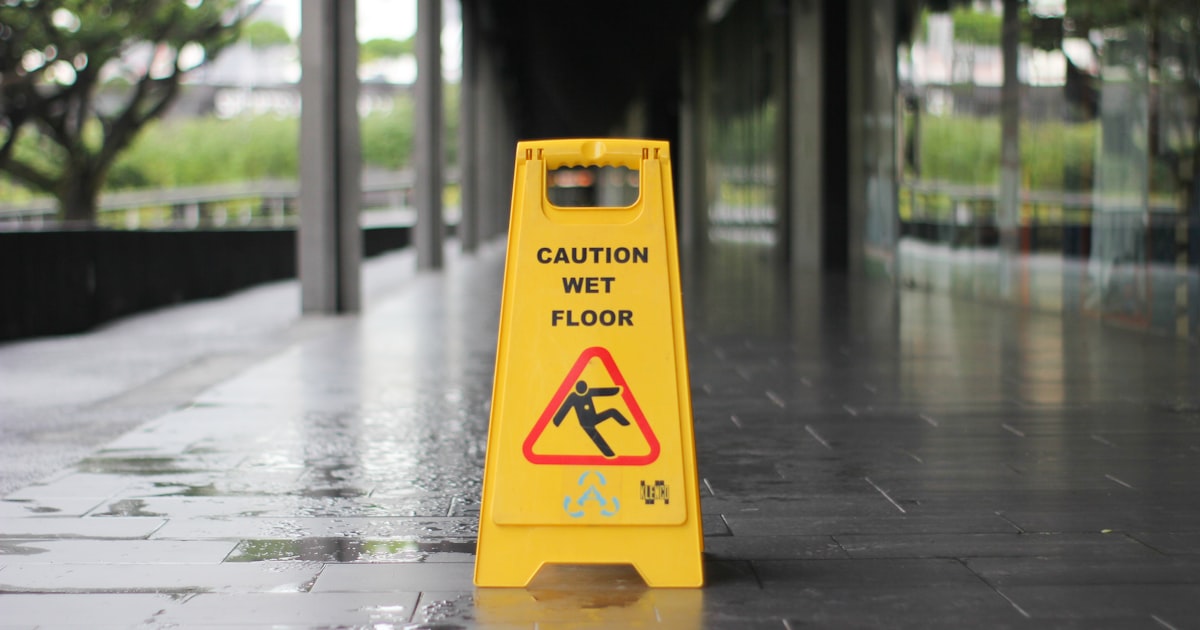
The doctrine is not the end of the story, though. Ohio courts recognize attendant circumstances, meaning distractions or conditions that reduce a visitor’s ability to notice a hazard. A packed fair midway at dusk, a crowd pushing toward a concert stage, flashing lights, uneven ground hidden by foot traffic, or a display designed to draw your eyes upward can all be attendant circumstances that keep a case alive even when the hazard was arguably visible. Whether the open and obvious rule applies is frequently the central fight in an Ohio premises case, and it is very fact specific. That is why an early, careful investigation matters so much.
Common Summer Venue Hazards in Northeast Ohio
Summer venues present hazards that do not exist in a typical indoor setting. Temporary flooring, cables, and tent stakes create trip hazards across fairgrounds. Grass and gravel lots turn slick after an afternoon thunderstorm rolls off Lake Erie. Food vendors work with hot oil and open flames close to the public. Poor lighting after sunset hides steps and drop-offs. Overcrowding paired with thin security can lead to crowd-crush injuries or assaults that a reasonable operator should have anticipated, the kind of failure our Cleveland brain injury lawyers see after serious falls. Petting zoos and animal exhibits raise their own risks; Ohio’s animal liability statute, R.C. Section 955.28, can apply when an animal injures a visitor, a subject our Cleveland dog bite lawyers handle regularly. Each of these situations can support a claim when the operator knew or should have known about the danger and failed to fix it or warn about it.

When the Venue Is Government Owned: R.C. Chapter 2744
Many summer venues in Ohio are owned or operated by a government body. County fairgrounds, public parks, municipal pools, and school athletic fields are common examples. When a political subdivision is involved, R.C. Chapter 2744 gives it broad immunity from many injury claims, subject to specific exceptions, such as injuries caused by negligence in the upkeep of buildings and grounds or by the negligent operation of a vehicle. Claims involving public swimming areas, for instance, can raise both premises and water-safety questions that our Cleveland drowning accident lawyers address. Claims against public entities also carry shorter notice requirements and different procedural rules than claims against private businesses. That is one reason it is critical to identify exactly who owned and operated the property where you were hurt, because the answer changes both your deadlines and your strategy.
Steps to Protect Your Premises Liability Claim
What you do in the hours and days after an injury often decides how strong your case becomes. The timeline below shows the sequence that matters most.
Report the incident to management right away and ask for a written incident report. Photograph the hazard and the surrounding area before it is cleaned up or repaired, including lighting, signage, and the condition of the ground. Collect names and phone numbers of anyone who saw what happened. Seek medical care promptly and follow through with treatment, because gaps in care give insurers an argument. Keep the shoes and clothing you were wearing, along with your ticket and any receipts. Finally, talk to a lawyer before you give a recorded statement to an insurance adjuster, since early statements are often used to shift blame onto the injured person.
Ohio’s Statute of Limitations Does Not Wait
Under R.C. Section 2305.10, most Ohio personal injury claims, including premises liability and slip and fall cases, must be filed within two years of the date of injury. Miss that window and a court can dismiss the case no matter how strong it is. There are important wrinkles. If the injured person is a minor, R.C. Section 2305.16 can toll, or pause, the clock until the child turns eighteen, although a parent’s own claim for a child’s medical expenses may run sooner. Claims against government-owned venues can require written notice well before the two-year mark. Because evidence at a fair or festival disappears quickly once tents come down and grounds are cleared, waiting is rarely in your favor.
What You May Recover
Ohio law allows an injured person to seek compensation for medical bills, future care, lost wages and lost earning capacity, and pain and suffering. In cases involving a permanent injury, such as a traumatic brain injury from a fall or a serious orthopedic injury, the value of future losses can be substantial. Comparative fault matters too; under Ohio law your recovery is reduced by your share of responsibility, and if you are found more than fifty percent at fault you recover nothing. That rule is one more reason the open and obvious question is so important to get right, and why experienced counsel can make a real difference.
Frequently Asked Questions
What should I do right after I am hurt at a county fair or festival in Ohio?
Does the open and obvious rule mean I cannot recover if the hazard was visible?
Can I sue if I was injured at a government-owned fairground or park?
How long do I have to file a premises liability claim in Ohio?
What if my child was injured at a summer venue?
How much does it cost to hire a premises liability lawyer?
Talk With a Cleveland Premises Liability Lawyer
If you or a loved one was hurt at a fair, festival, store, or any other property in Northeast Ohio this summer, you do not have to sort out the law alone. The premises liability team at Ryan Injury Attorneys offers a free, no obligation consultation, and you pay nothing unless we recover for you. Call (216) 777-RYAN today, or contact us online, to speak with attorney Thomas P. Ryan about your rights and your deadlines.