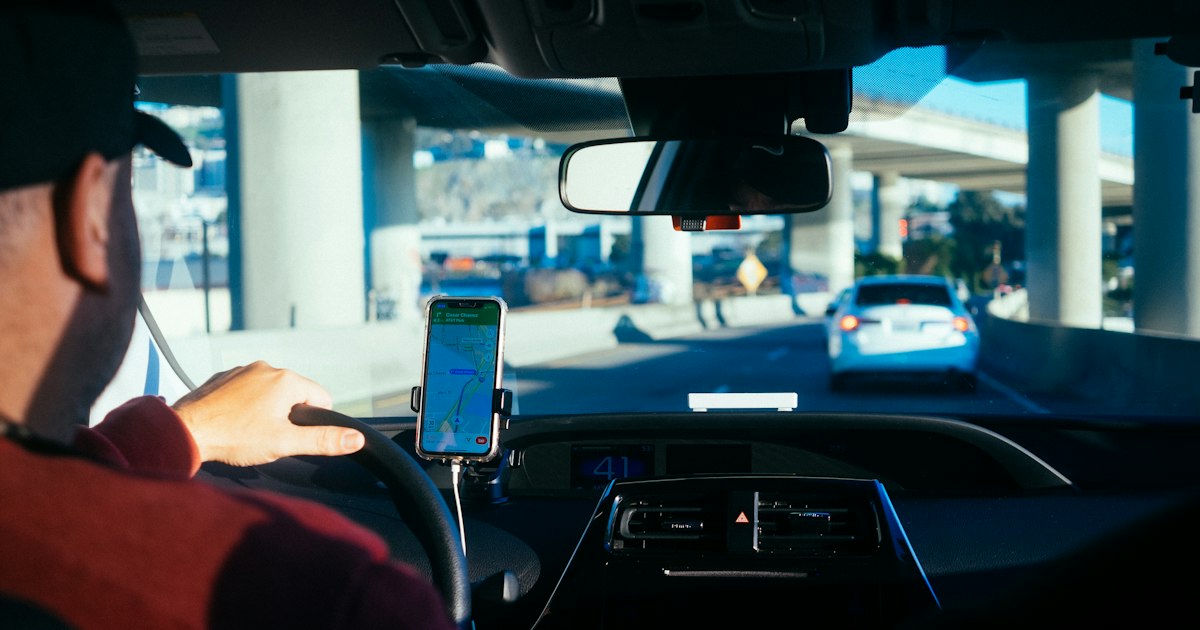
Across Greater Cleveland, more people reach for an Uber or Lyft during the holiday stretch than at any other time of year. Friends split a ride home after a night out in the Flats, families book an early run to Hopkins International before a Thanksgiving flight, and Browns fans leave Huntington Bank Field looking for a warm ride home. Rideshare is convenient, and often the responsible choice. Yet every trip puts you in a vehicle you do not own, driven by someone you did not choose, insured under rules most riders have never seen.
When a rideshare crash happens on I-90, in the Theater District, or on a snow-slick stretch of Euclid Avenue, injured riders quickly learn these are not ordinary car accident claims. The coverage that applies, the companies that fight back, and the deadlines that control your rights all work differently. This guide explains how Ohio law protects Uber and Lyft riders in 2026, and what to do if a holiday-season ride ends in the emergency room.
Why a Cleveland Rideshare Crash Is Not an Ordinary Car Accident
In a typical two-car collision, you deal with two drivers and two insurance policies. A rideshare crash adds layers. The driver carries personal auto insurance, Uber or Lyft carries a large commercial policy that may or may not apply depending on what the driver was doing at impact, and any other motorist has coverage of their own. If you were the passenger, you did nothing wrong, yet you may find several insurers each arguing that someone else should pay.
Rideshare companies classify their drivers as independent contractors, not employees. That distinction is deliberate, and Uber and Lyft rely on it to distance themselves from a driver's conduct. It is one reason injured riders who handle these claims alone often hear that the loss is "not the company's responsibility." Ohio law tells a more complete story, and knowing where the coverage actually sits is the difference between a denied claim and a full recovery.
The Three Insurance Periods That Decide Your Recovery
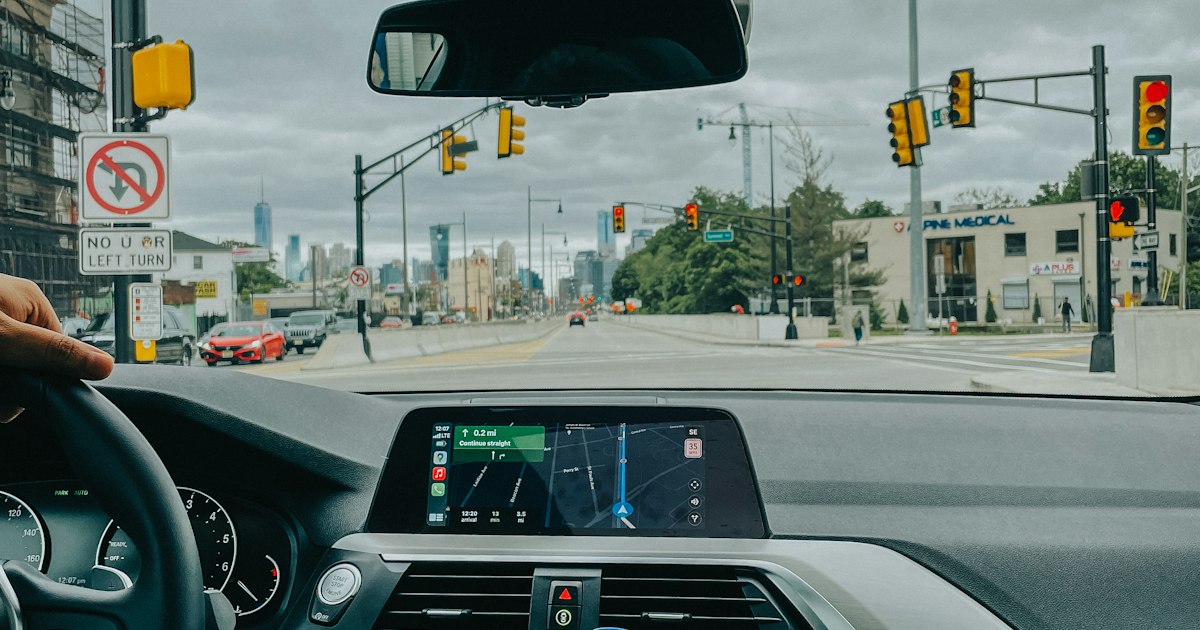
Ohio regulates rideshare operators, which the statutes call transportation network companies, under R.C. Chapter 4925. The insurance a rideshare driver must carry is set by R.C. 4925.04, which points to the coverage amounts in R.C. 3942.02. The key idea is that the amount of insurance available does not depend on how badly you were hurt. It depends on what the app was doing at the instant of the crash. Lawyers and insurers break a rideshare trip into phases, and the phase controls which policy pays.
When the driver has the app switched off and is simply running a personal errand, there is no rideshare coverage at all. Only the driver's personal auto policy applies, and many personal policies exclude losses that happen while a vehicle is being used commercially. Once the driver turns the app on and is waiting for a ride request, Ohio requires contingent coverage of at least 50,000 dollars for bodily injury or death to one person, 100,000 dollars for all persons injured in one accident, and 25,000 dollars for property damage. The moment the driver accepts your request and begins heading to pick you up, and throughout the trip while you are in the car, Ohio requires at least 1,000,000 dollars in coverage for injury, death, or property damage in a single accident.
For an injured passenger, that last figure matters enormously. A serious rideshare crash can cause a traumatic brain injury, spinal damage, or multiple fractures, and the medical bills alone can climb past what a small policy would cover. Because you are almost always in the car during the 1,000,000 dollar phase, passengers usually have access to the full commercial policy. The diagram below shows how coverage shifts as a trip moves through the app.
Who Can Be Held Liable After a Cleveland Rideshare Crash
Liability in a rideshare case is rarely limited to a single party, and identifying every responsible source of recovery is one of the most important parts of the claim. Depending on how the crash happened, several parties may owe you compensation.
The rideshare driver may be at fault for speeding on the Shoreway, running a light on Carnegie Avenue, or driving while distracted by the app. Another motorist may have caused the collision entirely, bringing that driver's insurance, and potentially the rideshare company's uninsured motorist coverage, into play. A vehicle manufacturer or repair shop may share responsibility if a defective part contributed. In rarer cases a government entity responsible for a dangerous roadway may be liable, although claims against public bodies in Ohio face the immunity rules in R.C. Chapter 2744 and short notice deadlines, so those matters demand quick action.
Because passengers are not at fault for the crash, they can typically pursue every applicable policy until their losses are fully paid. Untangling which policy pays first, and in what order, is exactly the kind of work that benefits from experienced counsel.
Ohio's Deadlines, Comparative Fault, and Your Right to Recover
Ohio gives injured people a limited window to file a lawsuit. Under R.C. 2305.10, the statute of limitations for most bodily injury claims is two years from the date of the crash, and a wrongful death claim under R.C. 2125.02 generally must be brought within two years of the death. These deadlines are firm. Evidence also fades fast, since app data, dashcam footage, and vehicle telematics can be lost within weeks unless someone demands that the companies preserve them.
Ohio follows a modified comparative negligence rule under R.C. 2315.33. An injured person who is partly at fault can still recover, but only if their share of the fault is 50 percent or less, and their damages are reduced by their percentage of responsibility. Passengers are almost never assigned fault. If the at-fault driver fled or carried too little insurance, uninsured and underinsured motorist coverage under R.C. 3937.18, whether from the rideshare policy or your own auto policy, may fill the gap.
What to Do After a Rideshare Crash in Cleveland
The steps you take in the first hours and days can protect both your health and your claim after an Uber or Lyft collision anywhere in Cuyahoga County.
Call 911 so there is an official record, then accept medical evaluation even if you feel only shaken, because adrenaline masks serious injuries and a gap in treatment is the first thing an insurer uses to question your claim. Take screenshots of your ride in the app, including the driver, the vehicle, and the trip details, since that record proves the trip was active and which coverage phase applied. Photograph the scene and your injuries, and get contact information for any witnesses. Report the crash through the app, but do not give a recorded statement or sign anything before you understand your rights. Finally, keep every medical bill and record of missed work, since those documents build the value of your claim.
How a Cleveland Rideshare Accident Lawyer Strengthens Your Claim
Rideshare insurers are sophisticated, and their first offer rarely reflects what a serious injury is truly worth. An experienced attorney moves quickly to preserve app and telematics data, identifies every policy that applies across the coverage phases, documents the full scope of your injuries, and handles the insurers so you can focus on healing. When the companies refuse to pay fairly, trial experience is what changes the conversation. Our firm has spent decades holding insurers and corporations accountable for Ohioans, and we bring that same resolve to rideshare cases.
If you or someone you love was hurt in an Uber or Lyft crash in Cleveland or anywhere in Northeast Ohio, you do not have to sort out the coverage maze alone. Learn more about our work on Cleveland car accident claims, the way we handle serious brain injury cases, and how we support families in wrongful death matters. You can also read more about Thomas P. Ryan and reach our team any time through our contact page.
Talk With a Cleveland Rideshare Accident Lawyer Today
If a rideshare crash has left you or a loved one injured this holiday season, Ryan Injury Attorneys is ready to help. Your consultation is free, you pay nothing unless we recover for you, and we will explain exactly which coverage applies to your case. Call (216) 777-RYAN or reach us through our contact page to get started.