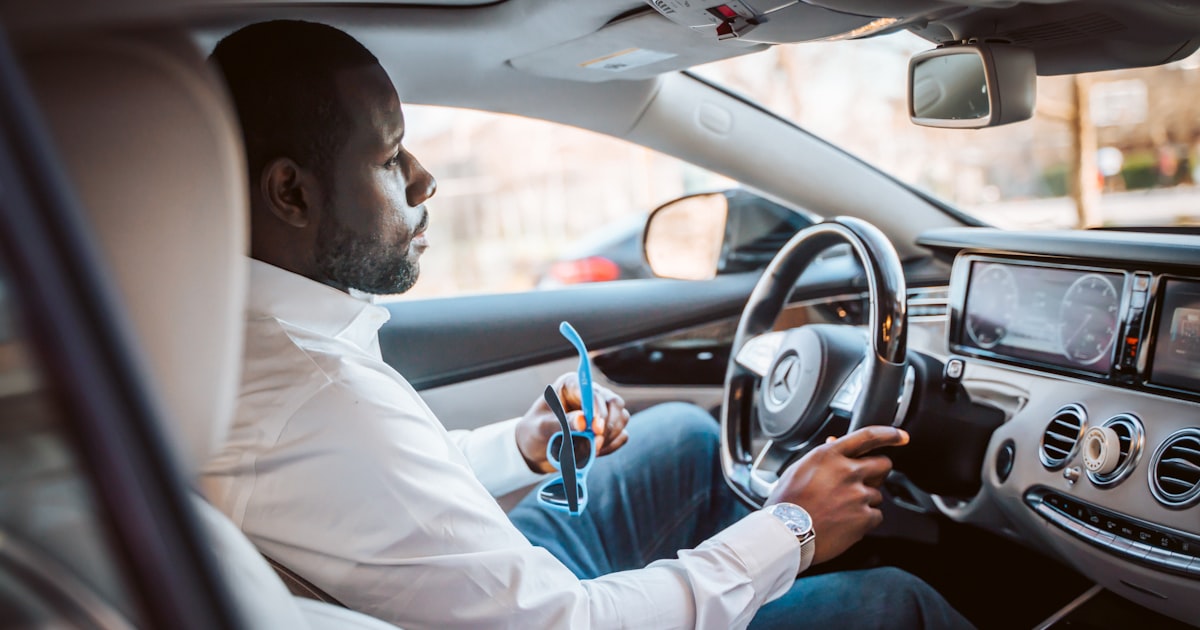

Cleveland Rideshare Accident Claims: Your Rights Under Ohio Law as Labor Day Travel and Air Show Crowds Peak in 2026
Labor Day weekend turns downtown Cleveland into one of the busiest stretches of the year. The Cleveland National Air Show fills the lakefront and the Flats from Friday, September 4 through Monday, September 7, 2026, and the Flats East Bank rideshare pickup zones run late into the night on West 10th Street and Old River Road. Add the heavy holiday travel that AAA typically packs into a 96 hour window, and thousands of Northeast Ohio residents will finish the weekend in the back seat of an Uber or Lyft. Most of those trips end safely. When one does not, the aftermath is more complicated than a standard car crash, and the rules that decide who pays are unfamiliar to many injured passengers.
If you were hurt in a rideshare crash near Progressive Field, along the Shoreway, or on a ride home to Lakewood or Shaker Heights, you have real rights under Ohio law. This guide explains how rideshare insurance works, who can be held responsible, and the deadlines that protect your claim. If you have questions about your own situation, our Cleveland car accident lawyers are available for a free consultation.
Why Rideshare Crashes Are Different Under Ohio Law
A rideshare crash raises a question that a normal collision does not: was the driver working at the moment of impact, and for whom? Uber and Lyft classify their drivers as independent contractors rather than employees. That classification, combined with layered insurance policies, is designed to limit the companies' direct exposure. It also means the coverage available to you can change dramatically depending on what the driver was doing when the crash happened.
Ohio regulates these companies through the Transportation Network Company statute, R.C. Chapter 4925. Under R.C. 4925.04 and the related insurance standard in R.C. 3942.02, a rideshare driver and the company must maintain liability coverage that meets specific minimums whenever the driver is logged into the app. The amount of that coverage depends on which of three phases, often called insurance periods, the trip was in.
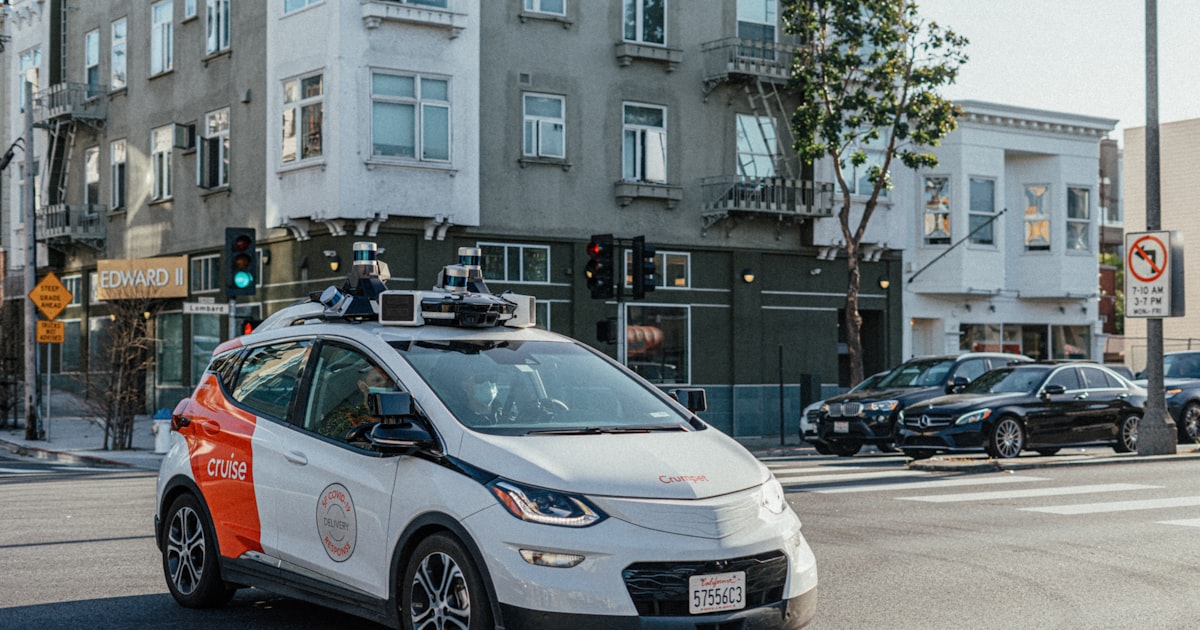
The Three Insurance Periods That Decide Who Pays
Understanding these periods is the single most important step in a rideshare claim, because the period in effect at the moment of the crash sets the ceiling on available coverage.
When the app is off, the driver is a private motorist, and only the driver's personal auto policy applies. In Period 1, when the app is on and the driver is waiting for a ride request, Uber and Lyft provide contingent liability coverage that commonly runs to 50,000 dollars per person and 100,000 dollars per accident for bodily injury, with 25,000 dollars for property damage. In Period 2, once a ride is accepted and the driver is en route to pick up a passenger, and in Period 3, while a passenger is in the vehicle, the companies carry a 1 million dollar third party liability policy. As a passenger, you are almost always covered by that higher tier.
The practical takeaway is that a crash during an active trip usually involves substantial coverage, while a crash during Period 1 can leave far less on the table. Pinning down the driver's exact status through app records, trip logs, and timestamps is often where a rideshare case is won or lost.
Who Can Be Held Liable After a Cleveland Uber or Lyft Crash
More than one party may share responsibility for your injuries, and identifying every potential source of recovery matters. Depending on the facts, a claim may involve the rideshare driver, another negligent motorist who caused or contributed to the collision, or, in some cases, both. If a commercial truck was involved, our Cleveland truck accident attorneys can help sort out the additional layers of coverage that come with interstate carriers.
Ohio follows a modified comparative negligence rule under R.C. 2315.33. You can recover damages as long as you are not more than 50 percent at fault, though your compensation is reduced by your share of the blame. For a passenger, fault is rarely an issue, but the two drivers may point fingers at each other, which is exactly why an independent investigation is valuable. If you were struck as a pedestrian by a rideshare vehicle near a crosswalk downtown, our Cleveland pedestrian accident lawyers handle those claims as well.
What to Do After a Rideshare Accident in Cleveland
The steps you take in the first hours after a crash can protect both your health and your claim. Seek medical attention promptly, even if you feel only shaken. Adrenaline masks injuries, and a documented evaluation at a hospital such as MetroHealth or the Cleveland Clinic creates an early record that ties your injuries to the crash. Report the collision inside the Uber or Lyft app so an official incident record is generated, and call Cleveland police so a crash report is filed. Photograph the scene, the vehicles, and any visible injuries, and collect names and contact details for the drivers and any witnesses. Save your trip receipt and screenshots showing the driver, the route, and the time, because those records help establish the insurance period. Finally, avoid giving a recorded statement to an insurer before you understand your rights.
Deadlines and Legal Rules That Affect Your Claim
Ohio sets a firm deadline for personal injury lawsuits. Under R.C. 2305.10, you generally have two years from the date of the crash to file suit. Miss that window and the court can bar your case no matter how strong it is. If a rideshare crash tragically takes a life, the wrongful death statute, R.C. 2125.02, allows the family to pursue a separate claim, and our attorney team can explain how those deadlines apply.
Special rules can change the timeline. When the injured person is a minor, R.C. 2305.16 can toll, or pause, the deadline until the child turns 18. If a public entity was involved, for example a Greater Cleveland RTA bus that collided with your rideshare, the political subdivision immunity rules in R.C. Chapter 2744 impose shorter notice requirements and unique defenses. These situations move quickly, so early legal guidance protects your options. Do not assume that a two year deadline gives you time to wait, because evidence such as app data, dashcam footage, and vehicle records can disappear within weeks.
Your own auto insurance may also matter. Ohio drivers who carry uninsured and underinsured motorist coverage may be able to tap that coverage if the at fault party lacks adequate insurance, even when you were riding as a passenger. Reviewing every available policy is part of building a full recovery.
Frequently Asked Questions
Does Uber or Lyft insurance cover me as an injured passenger in Ohio?
How long do I have to file a rideshare injury claim in Ohio?
What if the rideshare driver had the app on but no passenger yet?
Can I sue the other driver if they caused the rideshare crash?
Should I talk to the insurance company after a Cleveland rideshare accident?
What damages can I recover after a rideshare accident in Ohio?
Talk With a Cleveland Rideshare Accident Lawyer Today
If you were injured in an Uber or Lyft crash in Cleveland or anywhere in Northeast Ohio, Ryan Injury Attorneys can review the insurance periods, identify every responsible party, and protect your claim before evidence disappears. Your consultation is free, and you owe nothing unless we recover for you.
Call (216) 777-RYAN for a free consultation, or reach us through our contact page.