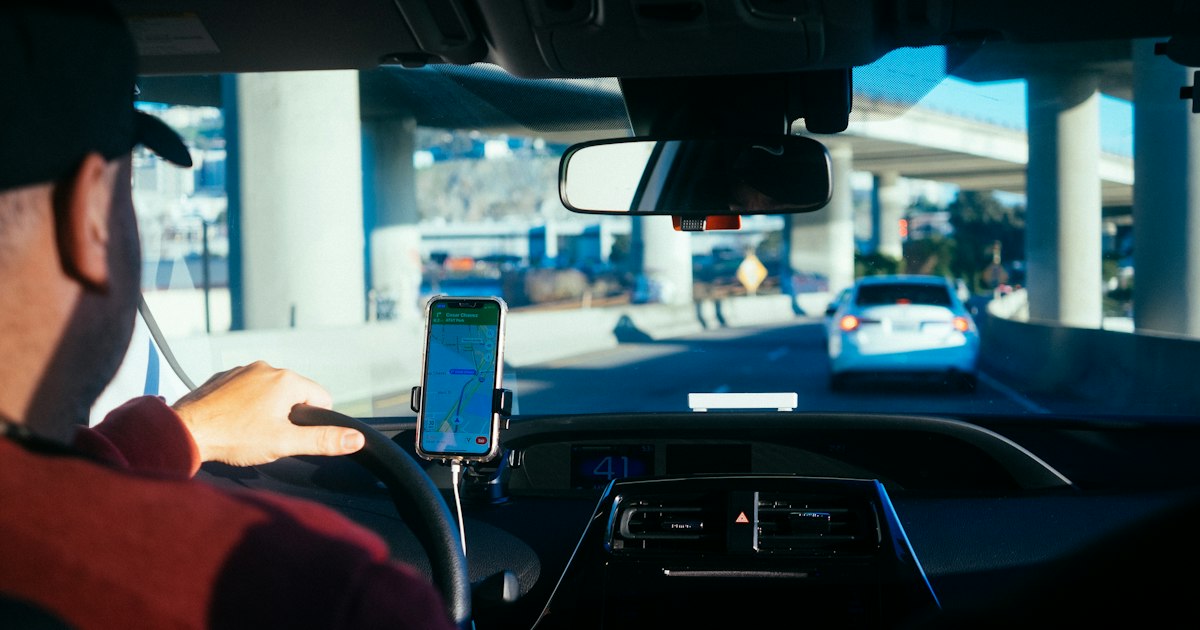

Rideshare has become part of daily life in Cleveland. As the calendar turns to fall, the demand climbs even higher. Browns Sundays, downtown concerts, college football weekends, and the approaching holiday party season all push more people to open the Uber or Lyft app instead of driving themselves, often after dark and often after a drink. More rides on wet, early-dark autumn roads mean more crashes, and rideshare crashes raise a question that ordinary fender benders do not: whose insurance actually pays.
The answer in Ohio depends on a detail most riders never think about, which is exactly what the driver was doing on the app at the moment of the crash. At Ryan Injury Attorneys, we help injured passengers, rideshare drivers, and the people they collide with untangle these claims. This guide explains how Ohio law works and how to protect your recovery.
How Ohio Regulates Uber, Lyft, and Other Rideshare Companies
Ohio treats companies like Uber and Lyft as transportation network companies, or TNCs, and regulates them under R.C. Chapter 4925. A TNC must hold a state permit, screen its drivers, and confirm that each driver carries the required automobile insurance before that driver can accept rides, as set out in R.C. 4925.04. The specific insurance standards live in a companion chapter, R.C. 3942.02, which sets minimum coverage that scales up as a driver moves from simply having the app open to actually carrying a passenger.
This structure matters because it means a rideshare crash is rarely a simple two-car claim. There can be a personal auto policy, a contingent rideshare policy, a large commercial policy, and one or more other drivers, all in the same wreck. Knowing which policy is on the hook, and when, is the heart of a strong claim.
The Three Insurance Phases That Decide Who Pays
Ohio law, following the national model, ties rideshare coverage to what the app was doing at the time of the crash. The graphic below shows the pattern.
When the app is off, the driver is just a private motorist, and only the driver's personal auto policy applies. Many personal policies exclude crashes that happen while driving for money, which can leave a coverage gap. Once the driver logs in and is waiting for a ride request, R.C. 3942.02 requires contingent coverage of at least 50,000 dollars for bodily injury to one person, 100,000 dollars per crash, and 25,000 dollars for property damage. The moment the driver accepts a request or has a passenger in the car, the required coverage jumps to at least one million dollars combined for injury and property damage. That one figure is why the phase of the ride is the first thing our team pins down.
Who Can Be Held Responsible for Your Injuries
Depending on how the crash happened, several parties may owe you compensation. If your own rideshare driver was negligent, such as speeding to a pickup or staring at the app, the company's coverage for the engaged phase generally applies. If another motorist caused the crash, that driver's liability insurance is the first source of recovery, and a passenger can pursue it regardless of which car they were riding in. When the at-fault driver has no insurance or too little, uninsured and underinsured motorist coverage under R.C. 3937.18 can step in, and rideshare policies typically include this protection during the engaged phase.
Because rideshare drivers are usually classified as independent contractors, suing Uber or Lyft as a company is harder than many people expect. The required insurance is designed to answer for the harm instead. In limited situations, such as a company negligently approving an unfit driver, a direct claim may be possible, and that is one of the things a lawyer investigates.
What to Do After a Cleveland Rideshare Crash
The steps you take in the first hour can decide how smoothly your claim goes. Call 911 and get medical attention, even if you feel only shaken, because injuries like concussions and soft tissue damage often surface a day or two later. Take screenshots of your ride in the app, including the driver's name, the vehicle, and the trip details, because that record proves which phase the ride was in. Report the crash inside the app as well. Photograph the scene and the vehicles, collect names and numbers for every driver and witness, and get the police report number. Be cautious about giving a recorded statement to any insurer before you have spoken with a lawyer.
Ohio Deadlines and the Comparative Fault Rule
Ohio sets firm time limits on injury claims. Most bodily injury cases must be filed within two years of the crash under R.C. 2305.10, and a wrongful death claim after a fatal crash must generally be filed within two years of the death under R.C. 2125.02. If the injured person is a child, R.C. 2305.16 can pause the clock until adulthood, though waiting is unwise because app data and other evidence can disappear.
Fault also affects the size of a recovery. Ohio follows modified comparative negligence under R.C. 2315.33, which lets you recover as long as you are 50 percent or less at fault, with your award reduced by your share. If you are found more than 50 percent at fault, you recover nothing. Passengers are rarely assigned any fault, which is one reason passenger claims are often the most straightforward part of a rideshare case.
How Ryan Injury Attorneys Helps Rideshare Crash Victims
Rideshare claims turn on facts that vanish quickly, such as app logs, trip timestamps, and the layered insurance policies behind a single trip. Our team moves fast to preserve the app record, identify every policy that applies, and press the correct insurer for the coverage phase involved. We calculate the full value of your medical care, lost income, and pain, and we deal with the adjusters so you can focus on healing. When an insurer refuses to pay what a case is worth, Thomas P. Ryan brings the experience of a Board Certified Civil Trial Advocate to the courtroom.
You can read more about our related work in Cleveland car accident cases and Cleveland pedestrian accident cases, and when a crash is fatal, in Cleveland wrongful death cases. You can also learn about attorney Thomas P. Ryan.
Frequently Asked Questions
Does the Uber or Lyft one million dollar policy always cover my crash?
I was a passenger in an Uber that crashed. Who pays for my injuries?
Can I sue Uber or Lyft directly after a Cleveland crash?
What if the other driver caused the crash and had no insurance?
How long do I have to file a rideshare injury claim in Ohio?
What if I was partly at fault for the crash?
Talk With a Cleveland Rideshare Accident Lawyer for Free
If an Uber or Lyft crash left you hurt, you should not have to fight several insurance companies alone. Ryan Injury Attorneys offers a free, no obligation consultation, and you pay nothing unless we recover for you. Call (216) 777-RYAN or contact us online to protect your rights and your deadlines.
This article is for general information about Ohio law and is not legal advice. Every case is different, and outcomes depend on the specific facts.