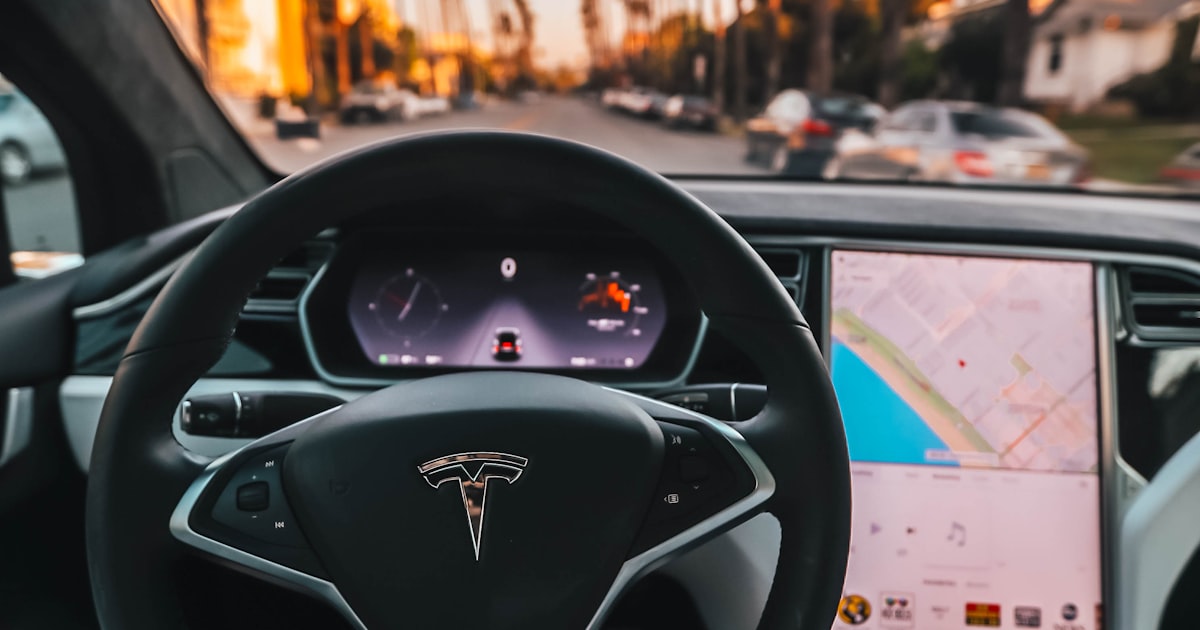

Self-driving cars and driver-assistance systems were supposed to make our roads safer. For a growing number of families in Northeast Ohio, the reality has been more complicated. In 2026, federal regulators are taking a much harder look at the artificial intelligence that steers, brakes, and makes split-second decisions inside modern vehicles, and the questions they are asking matter for anyone who has been hurt in a crash involving automated technology.
This year the National Highway Traffic Safety Administration escalated its investigation into one automaker’s Full Self-Driving software to an engineering analysis, the final step before a possible recall, covering roughly 3.2 million vehicles. Robotaxi operators have faced new federal scrutiny after clusters of low-speed crashes, and at least one company issued a recall tied to how its vehicles handle reduced visibility and bad weather. In Washington, Ohio’s own Congressman Bob Latta introduced federal legislation aimed at clarifying safety oversight of automated driving systems. Closer to home, Ohio routes autonomous testing through DriveOhio, the state program that developers must register with before running these systems on public roads.
If you or someone you love was injured by a vehicle running on automated software, or by any product that relied on artificial intelligence to make a decision, you may be wondering who is responsible. The reassuring answer is that Ohio law already gives injured people powerful tools, even in this fast-changing area. Our firm handles these cases alongside traditional Cleveland car accident claims, and the core principles of accountability still apply.
How AI Systems Cause Injuries on Ohio Roads
Artificial intelligence does not get tired or distracted the way human drivers do, but it fails in its own ways. Automated driving systems rely on cameras, radar, and software models that can misread a situation. Federal investigators have pointed to systems that struggled to change lanes safely, that did not respond to stationary objects in the road, and that behaved unpredictably in rain, fog, glare, or the low autumn sun that Cleveland drivers know well on I-90, I-480, and the Jennings Freeway.
These failures are not limited to fully driverless cars. Many vehicles on the road today use advanced driver-assistance systems, often called ADAS, for lane-keeping, automatic emergency braking, and adaptive cruise control. When that software brakes too late, steers toward the wrong lane, or hands control back to a human driver with no time to react, the result can be a serious collision. The harm is not hypothetical. A driver-assistance failure at highway speed can cause the same traumatic brain injuries, spinal cord damage, and wrongful death that any severe crash can. The same concerns apply to automated freight vehicles, which is why we treat these matters with the same care as a serious Cleveland truck accident.
Who Is Legally Responsible When an AI System Causes Harm?
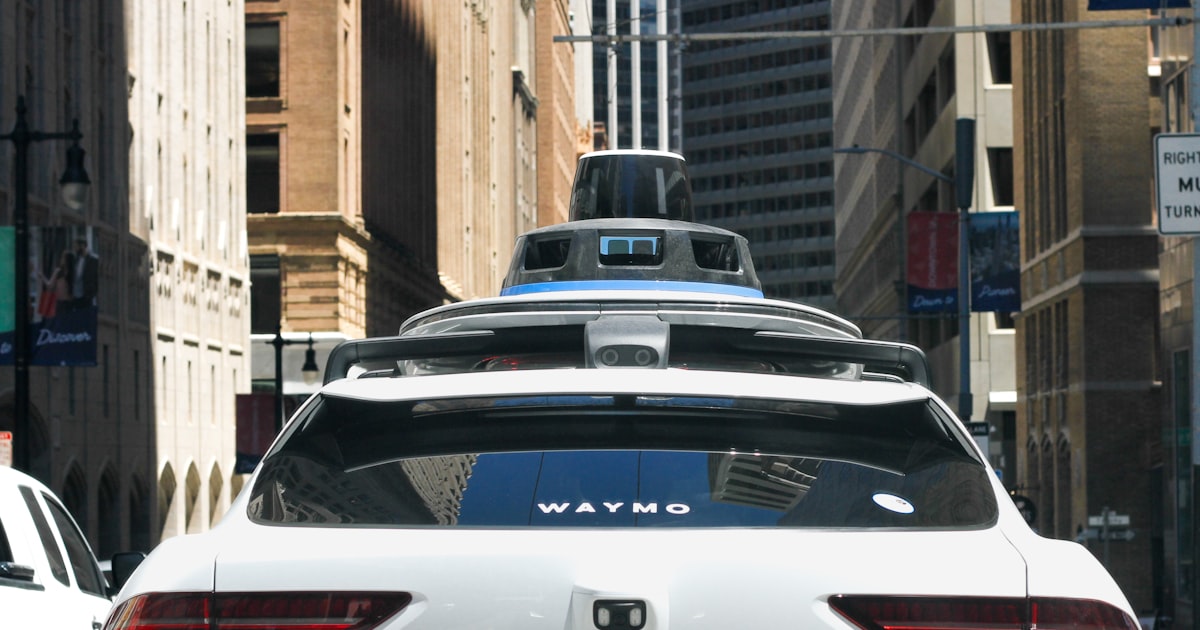
One of the hardest questions in these cases is deceptively simple: who is at fault when a machine makes the decision? Ohio law answers that question by looking past the software to the people and companies who built, sold, and deployed it. Depending on the facts, several parties may share responsibility.
Ohio’s Product Liability Act, found at R.C. § 2307.71 and the sections that follow, allows an injured person to hold a manufacturer accountable when a product is defective in its design, defective in its manufacture, or sold without adequate warnings. An automated driving system designed in a way that misjudges a common road hazard can be a defective product under this framework, and the company that created the software or the vehicle may be liable for the harm it causes. Ordinary negligence principles also apply. A company that tests immature technology on public roads, a fleet operator that fails to maintain its sensors, or a safety driver who ignores the road can each be held to account.
Where an artificial intelligence tool is used in medicine, such as a diagnostic or triage system that misreads a scan, the claim may instead fall under Ohio medical malpractice law. The larger point is that liability in these cases turns on the specific facts, not on the mere presence of a computer. This is an emerging area of law, and no one should assume the rules are fully settled. Careful investigation is what turns a confusing crash into a provable claim.
Preserving the Digital Evidence Before It Disappears
Automated vehicles are rolling data centers. They record sensor inputs, software decisions, driver-assistance status, and event data recorder information, sometimes called black box data, in the seconds around a crash. That evidence can show whether the system saw the hazard, how it responded, and whether a human had any realistic chance to intervene. It is also fragile. Vehicles get repaired or scrapped, software logs are overwritten, and the companies involved control much of the data. Acting quickly to send preservation letters and, when needed, to seek a court order can be the difference between a provable case and a swearing match.
Ohio Deadlines and Protections You Should Know
Ohio gives injured people a limited window to act. Most personal injury and product liability claims must be filed within two years of the injury under R.C. § 2305.10. If a defective automated system contributes to a death, a wrongful death claim under R.C. § 2125.02 generally must be brought within two years of the death. When the injured person is a child, R.C. § 2305.16 can pause, or toll, the clock until the child reaches adulthood, although evidence still fades quickly and early action protects the claim. If a public entity operated the vehicle, such as a government pilot program, the immunity rules in R.C. Chapter 2744 add another layer that requires prompt, careful analysis. Because these deadlines are strict and the exceptions are narrow, it is wise to speak with a lawyer well before any deadline approaches.
Beyond the Highway: Medical and Product AI
AI-caused injuries reach beyond self-driving cars. Hospitals and clinics across the Cleveland area increasingly use software to help read images, flag patients, and guide treatment. When a flawed algorithm contributes to a missed diagnosis or a delayed intervention, the injured patient may have a medical malpractice claim. Consumer and industrial products that rely on automated decision-making can also cause harm when the underlying software is defective. In each case, Ohio’s product liability and negligence laws provide a path to accountability, and the same principle holds true. A company that puts an unsafe automated product into the world does not escape responsibility simply because a computer was involved.
Frequently Asked Questions
Who can be sued if a self-driving car injures me in Ohio?
How long do I have to file a claim after an AI-related crash in Ohio?
What evidence matters most in a self-driving car case?
Is a driver-assistance (ADAS) crash treated the same as a fully driverless crash?
Does Ohio have special laws just for autonomous vehicles?
What does it cost to talk with a lawyer about an AI injury?
Talk With a Cleveland AI and Auto Injury Attorney
Crashes and injuries caused by automated technology raise new questions, but you do not have to sort them out alone. At Ryan Injury Attorneys, we investigate the software, preserve the data, and hold the responsible companies accountable under Ohio law. Your consultation is free, and you pay nothing unless we recover for you. Call (216) 777-RYAN or visit our contact page to speak with attorney Thomas P. Ryan and our team about your case today.