
Self-driving technology is no longer a concept for the distant future. Through 2026, federal regulators at the National Highway Traffic Safety Administration opened and expanded investigations into several robotaxi operators after crashes and incidents, including reports of an autonomous vehicle passing a stopped school bus and striking a child near an elementary school. Thousands of driverless vehicles are now under federal review. Ohio has spent years positioning itself as a testing ground for this technology, so the odds that Clevelanders will share the road with a self-driving car or a robotaxi keep rising.
When a computer is doing the driving and someone gets hurt, the legal questions grow more complicated than in an ordinary fender bender. If you or a family member was injured by a self-driving car, a robotaxi, or a vehicle running an advanced driver-assistance system in Northeast Ohio, here is how Ohio law may protect you, and why these cases call for a seasoned trial lawyer.
Who Is Liable When a Self-Driving Car or Robotaxi Causes a Crash in Ohio?
One of the first myths to clear up is that no one can be held responsible simply because a human was not steering. Ohio law still provides avenues to recover, and an autonomous vehicle crash often involves more potential defendants than a standard collision, not fewer. Depending on the facts, responsibility may fall on the company that owns and operates the robotaxi fleet, the manufacturer of the vehicle or its sensors, the developer of the self-driving software, a remote safety operator, a maintenance contractor, or a human backup driver who failed to take over in time.
Two legal theories usually anchor these claims. The first is ordinary negligence, which asks whether a person or company failed to use reasonable care. The second is product liability, which asks whether the vehicle or its software was defective and unreasonably dangerous. Many strong cases pursue both at once.
Ohio Product Liability Law and Autonomous Vehicle Defects
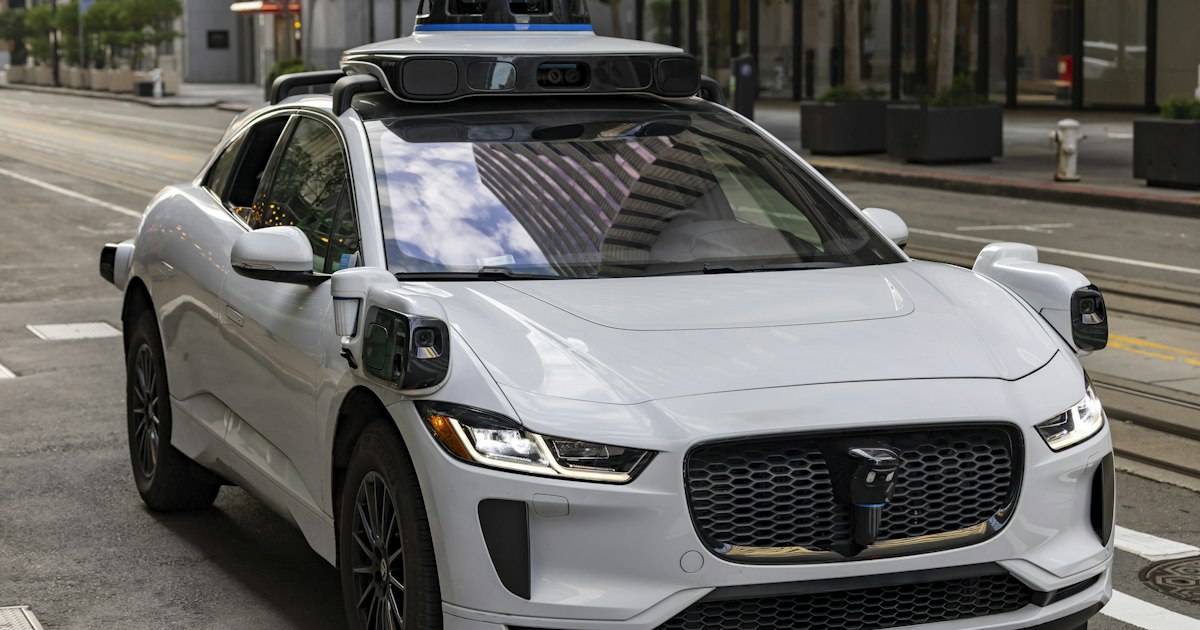
Ohio has a dedicated statute, the Ohio Products Liability Act (R.C. 2307.71 and following), that governs claims against manufacturers and suppliers for defective products. A self-driving car is a product, and so are the cameras, radar units, lidar sensors, and the code that ties them together. The Act recognizes several ways a product can be defective.
Design, Manufacturing, and Warning Defects
A design defect claim under R.C. 2307.75 argues that the system was dangerous as designed, for example software that cannot reliably recognize a pedestrian in a crosswalk at night. A manufacturing defect claim under R.C. 2307.74 argues that a specific unit left the factory different from its intended design, such as a miscalibrated sensor. A failure to warn claim under R.C. 2307.76 argues that the company did not adequately disclose the system's limits. In autonomous vehicle cases, the evidence often lives in event data recorders, sensor logs, mapping files, and the software version history, which is why preserving that data quickly matters so much.
When Driver-Assistance (ADAS) Systems Contribute to a Crash
Most vehicles on Cleveland roads today are not fully driverless. They use advanced driver-assistance systems, often called ADAS, such as automatic emergency braking, lane-keeping assist, and adaptive cruise control. These are partial automation features, and the human driver is still legally expected to pay attention and take control. If a driver over-relied on lane-keeping and drifted into another car, that driver can be liable under ordinary negligence.
At the same time, a feature marketed as more capable than it really is, or that malfunctioned, can open the door to a product liability claim against the automaker alongside the claim against the driver. Ohio law lets you pursue more than one at-fault party, and sorting out those overlapping responsibilities is one of the most technical parts of these cases.
Beyond Cars: Other AI-Caused Injuries in Ohio
Vehicles are the most visible example, but artificial intelligence now reaches into other corners of daily life. When a hospital's AI diagnostic or triage tool contributes to a missed diagnosis or a dangerous delay, the injured patient may have a medical malpractice claim governed by Ohio's one-year medical claim limitations period and affidavit of merit rule under R.C. 2305.113. When an AI-driven product or industrial system fails and injures someone, the product liability principles in R.C. 2307.71 and following may apply. The common thread is that liability does not vanish because a machine made the decision; it turns on who designed, deployed, or supervised that machine.
Deadlines You Cannot Afford to Miss
Ohio generally gives injured people two years from the date of the crash to file a personal injury lawsuit under R.C. 2305.10. Families pursuing a wrongful death claim after a fatal autonomous vehicle crash also generally have two years under R.C. 2125.02. When the injured person is a minor, R.C. 2305.16 can toll, or pause, the clock, but you should never assume you have extra time without confirming it with a lawyer. The timeline below shows why acting early protects both your evidence and your right to file.
The single most damaging mistake in these cases is waiting. Vehicle data can be overwritten and fleets can quietly take a vehicle out of service, so a prompt preservation letter from your attorney can lock down the digital evidence that often decides who was at fault.
How Ohio's Comparative Fault and Damages Rules Apply
Ohio follows a modified comparative negligence rule under R.C. 2315.33. You can still recover damages if you were partly at fault, as long as your share of the fault is not greater than fifty percent, though your award is reduced by your percentage of responsibility. Operators of self-driving vehicles sometimes try to shift blame onto the injured person, which is another reason the data matters. Ohio also caps noneconomic damages under R.C. 2315.18, with important exceptions for catastrophic injuries such as permanent and substantial physical deformity or the loss of a limb. A careful lawyer builds the record to pursue the full value of your economic losses, your pain, and your future care.
Why Autonomous Vehicle Cases Need an Experienced Cleveland Trial Lawyer
These claims sit at the intersection of car crash law, product liability, and fast-moving technology. The defendants are often large corporations, and the proof lives in technical data that must be preserved, decoded, and explained to a jury. At Ryan Injury Attorneys, we bring decades of Northeast Ohio trial experience to complex injury cases, and we work with engineers and reconstruction experts to show how and why a system failed. If you were hurt in a crash involving any level of vehicle automation, our Cleveland car accident lawyers can evaluate whether a product claim belongs alongside your injury claim. For crashes that cause lasting harm, our work on serious brain injury claims reflects the depth these cases demand. You can learn more about lead trial advocate Thomas P. Ryan or reach the firm through our contact page.
This area of law is still developing, and outcomes depend heavily on the facts of your crash. Nothing here is legal advice about your situation, but the sooner you speak with counsel, the better your chances of protecting the evidence and deadlines your claim depends on.
Frequently Asked Questions
Who is responsible when a self-driving car hits me in Ohio?
Is a robotaxi crash treated like a normal car accident under Ohio law?
What is the deadline to file an autonomous vehicle injury claim in Ohio?
Can I sue the carmaker if a driver-assistance feature failed?
What evidence matters most in a self-driving car case?
How much does it cost to hire Ryan Injury Attorneys for an AV crash?
Injured by a Self-Driving Car or Robotaxi? Talk to a Cleveland Trial Lawyer Today
Autonomous vehicle cases move fast, and the evidence can disappear faster. Ryan Injury Attorneys offers a free, no obligation consultation, and we work on a contingency fee, so you pay nothing unless we win. Call (216) 777-RYAN or reach us through our contact page to protect your rights and your deadlines.