

Autumn in Cleveland is beautiful, and it is also one of the most dangerous stretches of the year for falls. Wet leaves pile up on sidewalks and stairs, cold rain slicks entryways, and the first frosts leave a thin, hard to see glaze on walkways well before winter arrives. After the November time change, hazards that were visible at 5 p.m. in September vanish into the shadows. Every fall we hear from people hurt by a preventable hazard while simply walking into a store, an office building, or an apartment stairwell.
A serious fall is not a minor embarrassment. Broken wrists and hips, herniated discs, and traumatic brain injuries from striking concrete can mean surgery, months of therapy, and lost income. If a property owner's carelessness caused your fall, Ohio law may allow you to recover for those losses. Here is how premises liability works, what defenses owners raise, and the deadlines that protect your claim.
What Counts as a Slip and Fall Claim in Ohio
A slip and fall claim is a type of premises liability case. The core question is whether the property owner or occupier failed to use reasonable care to keep the property reasonably safe, and whether that failure caused your injury. Ohio does not make owners insurers of everyone on their land; it asks whether they acted reasonably given what they knew or should have known about the hazard.
Your Legal Status on the Property Shapes the Duty Owed
Ohio still sorts visitors into three categories, and the category changes how much protection you receive. An invitee is someone on the property for the owner's benefit, such as a shopper or a tenant's guest in a common area; the owner owes an invitee ordinary and reasonable care, including inspecting for hazards and warning of or fixing dangers it knew about or should have discovered. A licensee enters for their own purposes with permission, such as a social guest, and is owed a narrower duty. A trespasser is generally owed only the duty to avoid willful or wanton harm. Most slip and fall clients are invitees, the strongest position under Ohio law.
Fall and Winter Hazards Behind Cleveland Slip and Falls
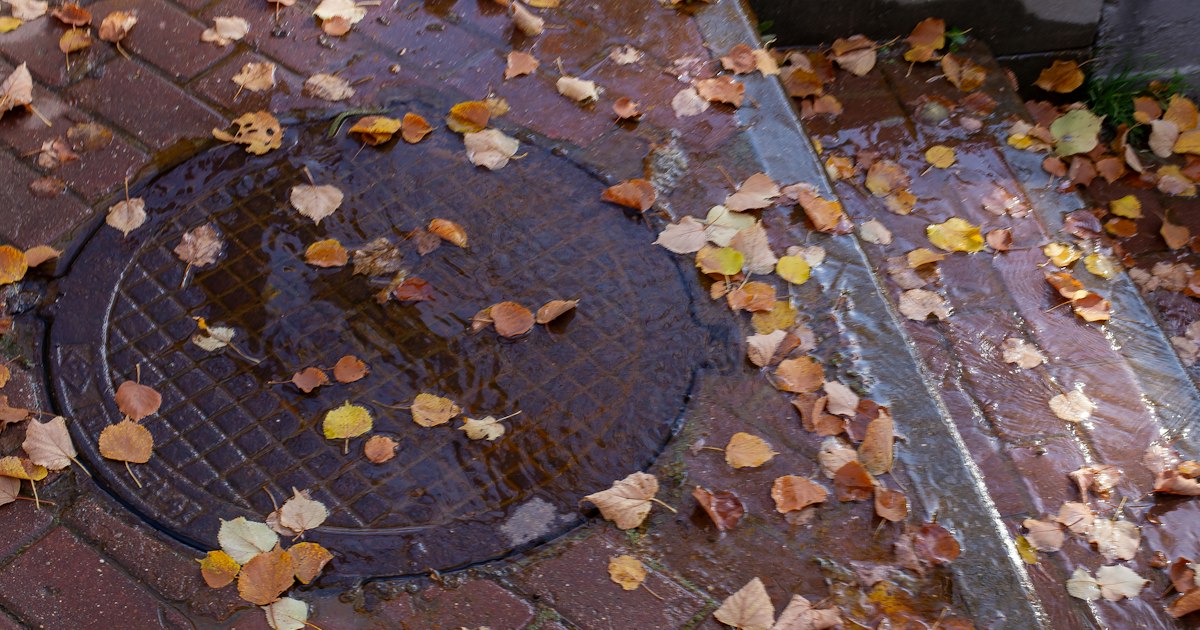
The hazards change with the calendar. In September and October, decaying leaves left on stairs and walkways for days become as slick as ice when it rains. Tracked in water pools just inside store entrances, and a missing floor mat or a delayed cleanup turns a lobby into a skating rink. As temperatures drop into November, black ice forms in shaded spots, on bridges over the Cuyahoga, and in downtown parking garages long before the season's first plow run. Poor lighting, broken handrails, uneven pavement, and torn carpeting cause falls year round, and grow more dangerous once daylight fades.
What ties these examples together is notice. An owner who knew about a broken step for weeks, or whose own routine should have caught standing water, is in a very different position than one facing a hazard that appeared moments before your fall. Building that timeline of what the owner knew, and when, is often the heart of a strong Ohio premises liability claim.
The Open and Obvious Doctrine and the Natural Accumulation Rule
Two Ohio defenses come up in nearly every fall case. Under the open and obvious doctrine, a property owner generally owes no duty to protect visitors from dangers so obvious that a reasonable person would notice and avoid them, and may argue there was no duty to warn at all. Ohio courts recognize an important exception for attendant circumstances, meaning distractions or conditions that reduce a person's ability to notice a hazard, such as a crowded store display or poor lighting that hides what would otherwise be plain.
The natural accumulation rule is its winter cousin. Ohio owners are generally not liable for injuries caused by the natural accumulation of ice and snow, because everyone in Northeast Ohio is presumed to understand winter's risks. Liability can still arise when the accumulation is unnatural, meaning it was created or worsened by the owner (for example, a clogged gutter that channels water onto a walkway where it refreezes), or when the owner had superior knowledge of a hidden, substantially dangerous condition. How the hazard formed often decides the case.
Deadlines and First Steps After a Fall in Ohio
What you do in the hours and days after a fall protects both your health and your claim. The most important legal deadline is the statute of limitations. Under R.C. § 2305.10, you generally have two years from the date of injury to file a bodily injury lawsuit in Ohio, and missing that window usually bars the claim no matter how clear the fault. When the injured person is a minor, R.C. § 2305.16 can toll, or pause, the clock until the child reaches adulthood, though it is never wise to wait.
Deadlines tighten sharply when a government entity owns the property. Falls on public sidewalks, at city recreation centers, on RTA property, or in county buildings implicate political subdivision immunity under R.C. Chapter 2744, and claims against public entities often carry shorter notice requirements and narrower theories of liability. Because those timelines can run much shorter than two years, a fall on public property should be reviewed by a lawyer quickly.

In the meantime, a few practical steps make a real difference. Get medical attention the same day, both for your health and to document that the injury came from the fall. Photograph the hazard immediately, before it is cleaned up, along with your shoes and the lighting. Report the fall to the manager, landlord, or owner and ask for a written incident report. Identify witnesses and keep the clothing and footwear you wore. Security video is often overwritten within days, so the sooner a demand to preserve it goes out, the better.
How Ohio Comparative Negligence Affects Your Recovery
Property owners frequently argue that the injured person was partly at fault, and Ohio law does account for that. Under R.C. § 2315.33, Ohio follows a modified comparative negligence rule: you can recover as long as you were not more than fifty percent responsible, but your award is reduced by your share of fault. If a jury sets your damages at 100,000 dollars and finds you twenty percent at fault, your recovery drops to 80,000 dollars. Cross fifty percent and you recover nothing. That is why careful documentation of the hazard is worth the effort.
What a Cleveland Slip and Fall Claim Can Recover
When a property owner's negligence causes a fall, Ohio law allows recovery for both economic and noneconomic losses. Economic damages include past and future medical bills, lost wages, and reduced earning capacity. Noneconomic damages cover pain and suffering, loss of enjoyment of life, and the disruption a serious injury brings to daily living. In the most catastrophic cases, such as a permanent brain injury, Ohio's cap on noneconomic damages may not apply, and a family that loses a loved one may pursue a separate wrongful death claim. Every case turns on its own facts, and this article is general information, not legal advice.
Frequently Asked Questions
How long do I have to file a slip and fall lawsuit in Ohio?
Can I still recover if the hazard was open and obvious?
Is a property owner responsible for ice and snow in Ohio?
What if I was partly at fault for my fall?
What should I do right after a fall in a Cleveland store or building?
How much does it cost to hire a slip and fall lawyer?
Talk With a Cleveland Slip and Fall Lawyer
If a preventable hazard on someone else's property left you or a family member hurt this fall, you do not have to sort out the deadlines and defenses alone. At Ryan Injury Attorneys, we investigate quickly, preserve evidence before it disappears, and hold property owners accountable under Ohio law. Your consultation is free, and you owe us nothing unless we recover for you. Call (216) 777-RYAN today or reach us through our contact page. A fall can also cause a traumatic brain injury, and in the most tragic cases a wrongful death, and we are ready to help your family understand every option.