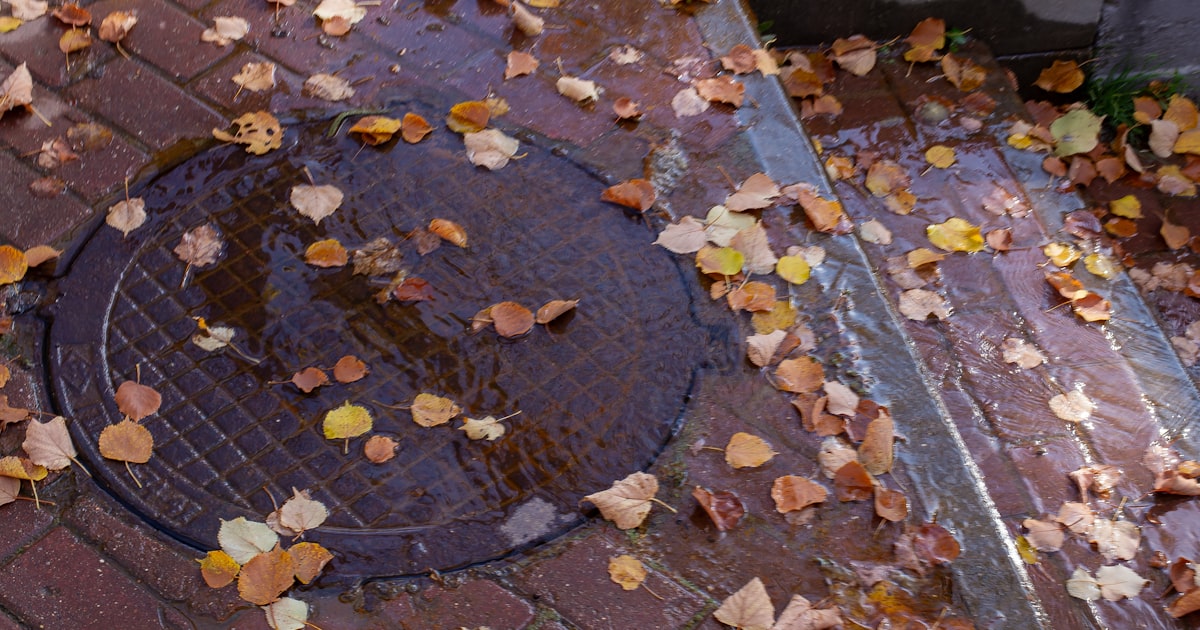

Autumn in Northeast Ohio is beautiful, but it quietly turns sidewalks, parking lots, and store entrances into some of the most dangerous surfaces of the year. Wet leaves plaster themselves to concrete after the first steady rain, morning frost forms on ramps and steps before the sun is up, and shorter daylight hours mean many falls happen in the dark. Emergency departments at the Cleveland Clinic and University Hospitals see the pattern every fall: hip fractures, wrist fractures, herniated discs, shoulder tears, and traumatic brain injuries from what looked like an ordinary stumble.
If you were hurt in a fall on someone else property this season, you may have a premises liability claim under Ohio law. This guide explains who can be held responsible, the doctrines Ohio courts apply, the deadlines that matter, and the steps that protect your case from the first day.
Why Fall Is a Peak Season for Cleveland Slip and Fall Injuries
The hazards that spike in October and November are predictable, which is part of what makes them actionable. A retail parking lot in Parma or a grocery entrance in Lakewood should anticipate that leaves and rain will make surfaces slick and should have a cleaning and inspection routine in place. When a property owner ignores a foreseeable, recurring danger, an injured visitor is in a much stronger position.
Common autumn hazards we see across Cuyahoga County include leaf-covered stairs and ramps that hide the edge of a step, clogged gutters and downspouts that pour water across a walkway where it later freezes, unsalted store entrances after an early frost, dim exterior lighting that makes a change in surface impossible to see, and tracked-in water pooling on tile just inside a busy doorway. Each of these can support a claim when the owner knew or should have known about it and failed to act.

Ohio Premises Liability: What the Property Owner Owes You
Under Ohio premises liability law, the duty a property owner owes depends on why you were there. Most shoppers, restaurant guests, tenants visitors, and customers are legal invitees, and owners owe invitees the highest duty: to use ordinary care to keep the property in a reasonably safe condition and to warn of hidden dangers the owner knows about or should discover through reasonable inspection. A social guest is a licensee, owed a narrower duty, and a trespasser is generally owed only a duty to avoid willful or wanton harm.
To win, an injured invitee generally must show that a dangerous condition existed, that the owner created it or had actual or constructive notice of it, that the owner failed to correct it or warn of it, and that the condition caused the injury. Constructive notice matters in fall cases. If a spill or a pile of wet leaves sat long enough that a reasonable inspection would have caught it, the owner can be responsible even without proof that a specific employee saw it.
The Open and Obvious Doctrine and Its Exceptions
Ohio recognizes the open and obvious doctrine, which can defeat a claim when a hazard is so visible that a reasonable person would see and avoid it. Property owners raise it often, but it is not the end of the story. Ohio courts also weigh attendant circumstances, meaning conditions that reduce a visitor ability to notice a hazard or that increase the risk, such as inadequate lighting, a crowded aisle, or a distraction the owner set up near the danger. Whether a hazard was genuinely open and obvious, and whether attendant circumstances applied, is frequently a question for the jury rather than something decided against the injured person as a matter of law.
Natural Versus Unnatural Accumulations
Snow, ice, and leaves get special treatment in Ohio. Owners generally are not liable for injuries caused by a natural accumulation of snow or ice, on the theory that Ohioans understand winter. But an unnatural accumulation, one the owner created or made worse, is different. A downspout that discharges onto a walkway where water refreezes, a graded lot that channels runoff to a single icy patch, or a leaf pile a crew raked onto a stairway can all move a case from natural to unnatural. That distinction often decides fall and early-winter claims.
Steps That Protect Your Claim After a Fall
What you do in the first days after a fall can make or break the case, because hazards get cleaned up and memories fade. The timeline below shows the sequence that best preserves your rights.
Beyond the timeline, avoid a few common mistakes. Do not post about the fall on social media, do not give the property owner insurer a recorded statement before you have counsel, and do not throw away the shoes you were wearing, since the insurer may claim your footwear caused the fall. Keep every medical record and mileage note, and write down what you remember while it is fresh.

Deadlines: The Two-Year Rule and Faster Public-Property Notice
Most Ohio personal injury claims, including slip and fall cases, carry a two-year statute of limitations under R.C. 2305.10, measured from the date of injury. Miss it and the claim is almost always barred, no matter how strong. Do not assume two years is comfortable, because building a premises case takes time to gather maintenance records, surveillance video, and inspection logs before they are lost.
Falls on government property follow different, tighter rules. If you were hurt on a sidewalk, in a public building, on RTA property, or at a city or county facility, Ohio political-subdivision immunity under R.C. Chapter 2744 applies, with limited exceptions and shorter notice requirements. These cases are harder and more time-sensitive, which is another reason to get advice early. If a fall involved a minor, Ohio minority tolling can extend the deadline, but the safest course is never to wait.
How Ryan Injury Attorneys Builds a Cleveland Premises Liability Case
Strong fall cases are built on evidence gathered quickly. Our team sends preservation letters so surveillance footage is not taped over, requests inspection and maintenance logs, identifies the vendor responsible for lot and sidewalk upkeep, and works with the medical records to connect the fall to the injury. We handle claims across the full range of premises hazards, and we are ready to take a case to a Cuyahoga County jury when an insurer refuses to be fair. You can learn more about our approach on our contact page or read about attorney Elizabeth FitzGerald, and if a fall left a loved one with a life-altering brain injury, our Cleveland brain injury lawyers can help.
Frequently Asked Questions
How long do I have to file a slip and fall claim in Ohio?
What is the open and obvious doctrine in Ohio?
Do I have a case if I slipped on wet leaves or ice?
Does my own carelessness reduce what I can recover?
What should I do right after a fall in a Cleveland store?
How much does it cost to hire Ryan Injury Attorneys?
Talk With a Cleveland Slip and Fall Lawyer Today
If wet leaves, early ice, or a neglected walkway left you injured this fall, you should not carry the medical bills and lost income for someone else carelessness. Ryan Injury Attorneys offers a free, no-pressure consultation, and we work on a contingency fee, so you owe nothing unless we recover for you. Call us any time at (216) 777-RYAN to talk through what happened and what your claim may be worth.