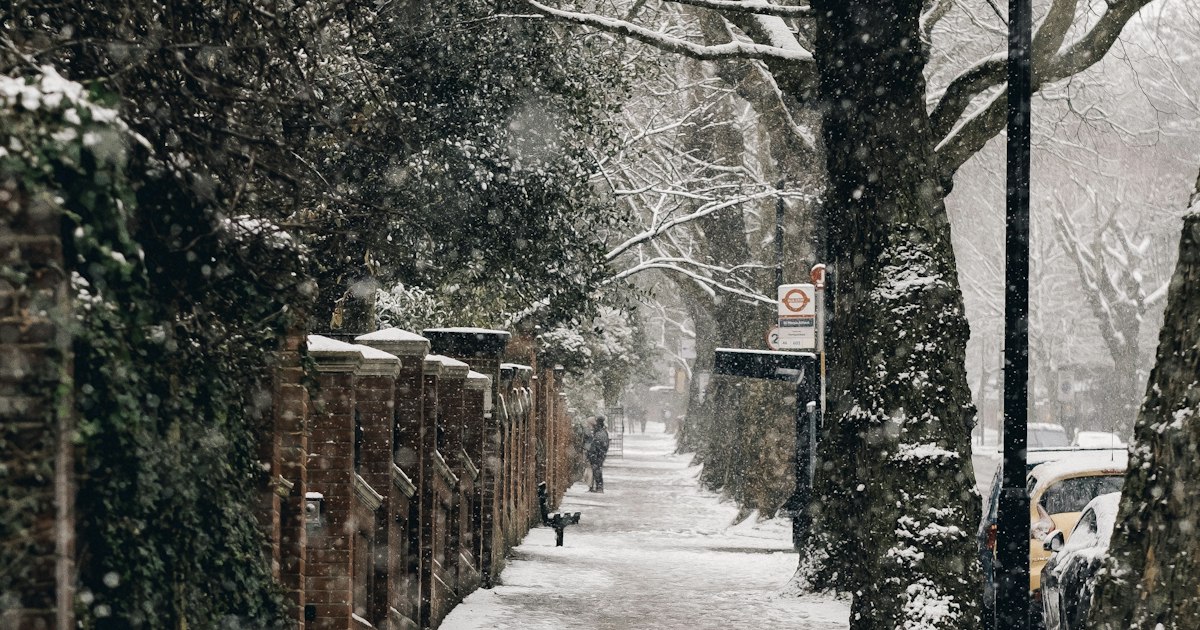

The first hard freeze of the season settled over Northeast Ohio in mid October 2026, and anyone who walked to the car that morning felt it. Forecasters issued the year's first freeze alerts from Lakewood to Shaker Heights, and the lake effect machine off Lake Erie is already spinning up for another long Cleveland winter. For most of us, that means scraping windshields and salting the steps. For thousands of Ohioans each year, it means a sudden fall on an icy sidewalk, a slick store entrance, or an unsalted parking lot, and the broken wrist, fractured hip, or head injury that follows.
If you were hurt in a winter fall, you may wonder whether anyone is responsible besides the weather. Ohio slip and fall law is more complicated than most people expect where ice and snow are involved. This guide from Ryan Injury Attorneys explains when a property owner can be held accountable, the hurdles unique to winter cases, and the steps that protect your right to recover.
Why Winter Falls Spike Across Cleveland
Falls are one of the most common reasons people end up in local emergency rooms, and the numbers climb once the temperature drops. Lake effect snow can bury the east side suburbs while downtown stays clear, then refreeze overnight into a glaze that is nearly invisible at dawn. Add early sunsets and crowded holiday parking lots, and the Cleveland Clinic, University Hospitals, and MetroHealth emergency rooms fill with fracture and head injury patients from December through March.
Older adults face the greatest danger. A fall that leaves a younger person bruised can cause a hip fracture or a traumatic brain injury in a senior, injuries that can change a life permanently. In the most tragic cases, a winter fall leads to a wrongful death, and families are left searching for answers.
When a Property Owner Is Legally Responsible in Ohio
Ohio premises liability law starts with a simple idea: people who own or control property owe a duty of care to those they invite onto it, and how much care depends on why you were there. Customers, tenants, and business guests are usually invitees, and the owner owes them the highest duty, to use ordinary care to keep the property reasonably safe and to warn of hidden dangers it knows about. Social guests and trespassers are owed less.
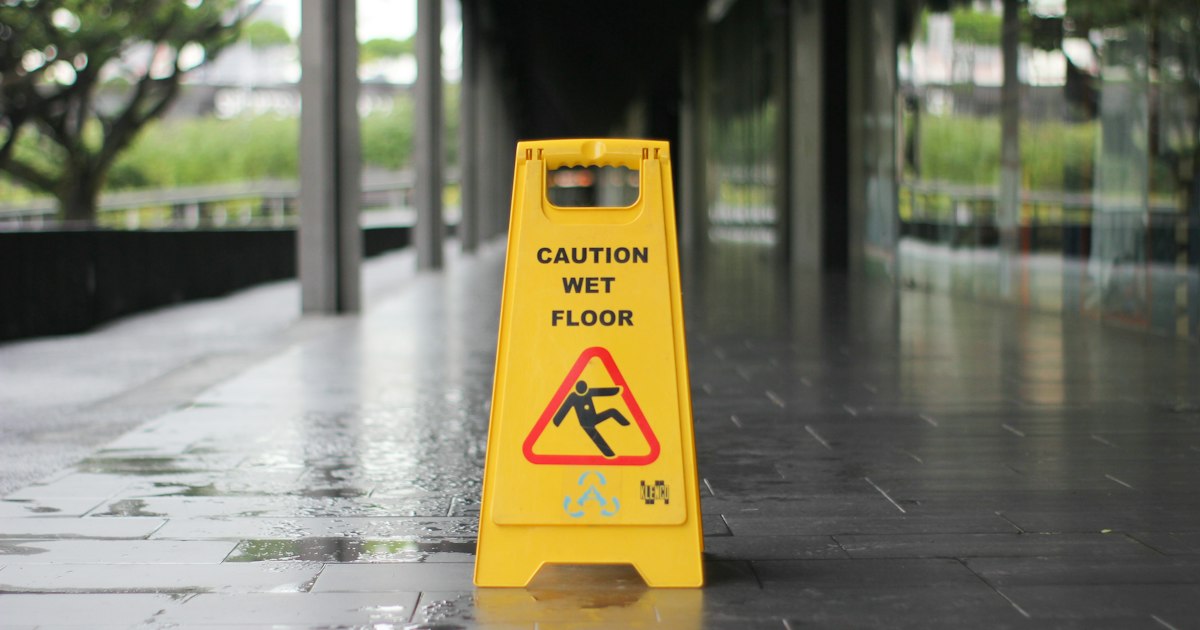
Being an invitee does not make the owner automatically liable. You generally must show that a dangerous condition existed, that the owner created it or knew or should have known about it, that the owner failed to fix it or warn you, and that the condition caused your injury. Timing matters: a spill thirty seconds before you walked through is treated differently than a puddle left unattended for an hour.
The Natural Accumulation Rule: Ohio's Biggest Winter Hurdle
Here is where winter cases become difficult. Ohio courts have long followed what is often called the natural accumulation rule, sometimes described as a no duty winter rule. Because everyone in Ohio is presumed to understand the dangers of ice and snow, a property owner generally owes no duty to remove a natural accumulation of winter precipitation, and no duty to warn you about it. The danger of a snowy walkway is treated as open and obvious.
That rule is a real obstacle, but it is not the end of the story. Ohio recognizes important exceptions, and strong winter cases usually turn on one of them. First, an owner can be liable for an unnatural accumulation, meaning ice or snow created or worsened by human activity rather than left by nature, such as water from a broken downspout that refreezes across a walkway, snow plowed into a pile that melts and runs back over an entrance, or a poorly graded surface that funnels meltwater into a sheet of ice by the door. Second, an owner may be liable where it had superior knowledge of a condition substantially more dangerous than a normal winter surface and did nothing. Third, a contract or a statute can create a duty to remove snow, as with some landlord obligations.
Proving an unnatural accumulation takes evidence, and that evidence melts. Photographs of the drainage pattern, the plow piles, and the ice itself, taken before anyone clears the scene, can make or break a claim.
Indoor Falls Follow Different Rules
Not every winter fall happens outside. Once snow and slush get tracked through the front door, store and building floors turn slick, and indoor falls are judged under ordinary premises liability rather than the natural accumulation rule. A business that fails to put down mats, mop up melting slush, place a caution sign, or keep entry areas lit and dry can be held responsible, as can one that ignores broken handrails or dim stairwells. When a resident is hurt because a care facility ignored a known hazard, that can rise to nursing home neglect.
What to Do After a Winter Slip and Fall
What you do in the first hours and days has an outsized effect on any claim, because winter evidence disappears so quickly. The steps below are worth following even if you are not yet sure you want to pursue anything.
In short: report the fall in writing, photograph the hazard and the exact spot before it is treated, get medical care the same day so there is no gap for an insurer to exploit, keep the shoes you wore, and gather witness names. Be careful about giving a recorded statement to an insurer before you have spoken with a lawyer.
Deadlines and the Government Property Trap
Ohio generally gives injured people two years from the date of the fall to file suit under R.C. 2305.10. That sounds like plenty of time, but it passes quickly while families focus on recovery, and a missed deadline usually ends a claim for good. If the injured person is a minor, R.C. 2305.16 can pause the clock, but never assume tolling applies without legal advice.
Falls on public property are their own category. When you are hurt on a city sidewalk, at a county building, or on other government land, your claim runs into governmental immunity under R.C. Chapter 2744. That immunity is broad, the exceptions are narrow, and shorter notice deadlines can apply, which is exactly why getting advice early matters.
How Comparative Negligence Affects Your Recovery
Insurers defending a winter fall almost always argue that you should have watched your step. Ohio answers that argument through comparative negligence under R.C. 2315.33. You can still recover as long as you were not more than 50 percent responsible, but your award is reduced by your share of the fault. If a jury finds your damages are 100,000 dollars and that you were 20 percent at fault, you receive 80,000 dollars. Clear evidence that the hazard was unnatural or hidden helps keep the blame where it belongs.
Damages You May Be Able to Recover
A successful claim can compensate you for emergency and ongoing medical treatment, surgery and rehabilitation, future care, lost wages and earning capacity, and the pain and loss of enjoyment that a serious fracture or head injury brings. When a fall proves fatal, Ohio's wrongful death statute, R.C. 2125.02, allows surviving family members to seek compensation for their loss. Every case is different, and no honest lawyer can promise a number.
Talk With a Cleveland Slip and Fall Lawyer
Winter slip and fall cases reward fast, careful work, because the ice that caused your injury may be gone by tomorrow. The team at Ryan Injury Attorneys knows how to investigate these claims, document an unnatural accumulation before it melts, and stand up to insurers that treat every winter fall as the victim's own fault. If you or someone you love was hurt in a fall this season, reach out for a free, no pressure consultation. Call (216) 777-RYAN or contact us online. There is no fee unless we win.
Frequently Asked Questions
Can I sue if I slipped on ice or snow in Ohio?
How long do I have to file a slip and fall claim in Ohio?
What if I fell on a public sidewalk owned by the City of Cleveland?
What happens if the fall was partly my own fault?
How much is a slip and fall case worth in Ohio?
Do I really need a lawyer for a winter slip and fall?
This article is provided by Ryan Injury Attorneys for general educational purposes and is not legal advice. Outcomes depend on the specific facts of each case.