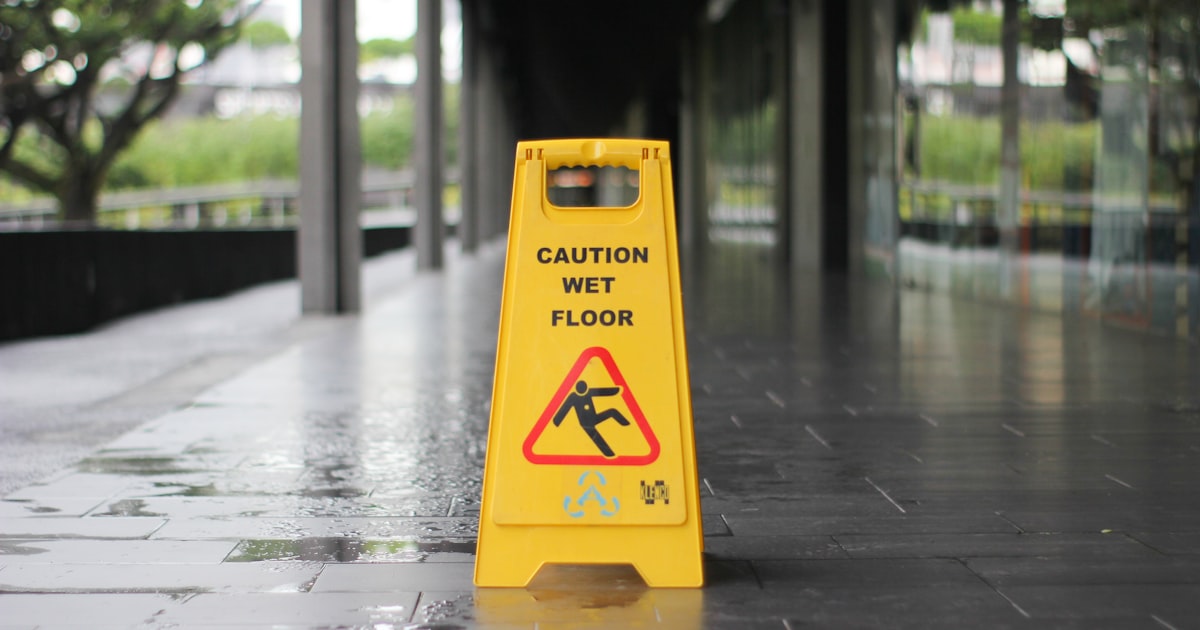

Most people picture ice and snow when they think of a slip and fall, but summer is one of the busiest seasons for these injuries across Greater Cleveland. Sudden lake effect downpours track rainwater across store entrances, produce misters leave grocery aisles slick, freshly mopped restaurant floors go unmarked, and pool decks, patios, and festival walkways invite a hard landing. When a fall happens because a property owner ignored a hazard, Ohio law may allow you to recover for your medical bills, lost wages, and pain. This guide explains how those claims work in 2026 and the deadlines that protect them.
Why Summer Brings a Surprising Spike in Slip and Fall Injuries
Cleveland summers combine heavy foot traffic with weather that changes by the hour. A dry sidewalk on Euclid Avenue can turn treacherous within minutes when a storm rolls in off Lake Erie. Businesses that stay busy through festival season, ballgames at Progressive Field, and weekend crowds at the West Side Market do not always keep pace with the water, spills, and debris that build up during a rush. Older adults face the greatest danger, because a fall that a younger person might shrug off can cause a broken hip, a head injury, or worse.
The injuries are rarely minor. Falls are a leading cause of traumatic brain injury and of serious fractures that send people to MetroHealth, University Hospitals, and Cleveland Clinic emergency rooms every week. When a fall results from a hazard the property owner could have prevented, the financial burden should not rest on the injured person alone.
Where Cleveland Slip and Falls Happen Most
These cases arise almost anywhere the public is invited. Grocery and big box stores account for a large share, thanks to spills, leaking coolers, and slick entryways after rain. Restaurants and bars see falls on wet tile and unmarked steps. Apartment complexes and hotels generate claims from broken stairs, loose handrails, and poorly lit walkways. Parking lots and garages, with their potholes, cracked pavement, and oil slicks, are another frequent source. When a fall happens on a public sidewalk or in a municipal building, a different set of rules and much shorter deadlines can apply.
What Ohio Law Requires of Property Owners
Ohio premises liability law sorts visitors into three categories, and the category shapes the duty owed. A business invitee, meaning a customer or anyone on the property for the owner's benefit, is owed the highest duty: the owner must use ordinary care to keep the premises reasonably safe and must warn of hidden dangers it knows about or should discover through reasonable inspection. A licensee, such as a social guest, is owed a lesser duty. A trespasser is generally owed only a duty not to be injured by willful or wanton conduct.
For most slip and fall victims, the invitee standard controls. To hold the owner responsible, you typically must show that the owner created the hazard, knew about it, or should have known about it in time to correct it or warn you, and that the hazard caused your fall and injuries. A puddle that a manager walked past for an hour is very different, in the eyes of the law, from a spill that occurred seconds before you rounded the corner.
The Open and Obvious Doctrine and Its Exceptions
Ohio recognizes what is called the open and obvious doctrine. If a hazard is so plainly visible that a reasonable person would notice it and take care, the owner generally owes no duty to warn, because the condition serves as its own warning. Property owners raise this defense often, and it can be a real hurdle. It is not the end of the road, though. Ohio courts recognize attendant circumstances that can keep a duty in place, such as poor lighting, a distraction the owner created, a crowded display that drew your eyes upward, or a hazard you could not reasonably avoid even with care. Whether a danger was truly open and obvious is usually a fact question, which is one reason preserving evidence early is so valuable.
The Deadlines That Can Make or Break Your Claim
Timing is where many strong claims quietly fall apart. Under R.C. Section 2305.10, you generally have two years from the date of your fall to file a personal injury lawsuit in Ohio. Miss that window and the court will almost always dismiss the case no matter how clear the fault. If your fall happened on property owned by a city, county, park district, or other political subdivision, R.C. Chapter 2744 governs, and it can require formal written notice and impose deadlines well short of two years. For an injured minor, R.C. Section 2305.16 can pause, or toll, the clock, but families should never assume extra time exists without confirming it.
The timeline below shows the steps that protect a Cleveland slip and fall claim from the day of the fall through the filing deadline.
Proving Your Case, and the Comparative Fault Rule
Evidence in these cases has a short shelf life. Surveillance video is frequently recorded over within days or weeks, spills get cleaned, and hazards get repaired. That is why the most useful things you can do happen right away: report the fall to a manager and ask for a written incident report, photograph the hazard and the surrounding area, get the names of any witnesses, and keep every medical record and receipt. A lawyer can send a preservation letter demanding that the business hold its video and maintenance logs before they vanish.
Ohio also applies a comparative fault rule under R.C. Section 2315.33. You can still recover as long as you were not more than fifty percent responsible for your own fall, but your compensation is reduced by your percentage of fault. If a jury finds you fifty one percent or more at fault, you recover nothing. Property owners and their insurers know this rule well and often try to shift blame onto the injured person, which makes careful, early documentation all the more important.
What to Do After a Fall in Cleveland
After a fall, focus on your health first, but do not ignore your claim. Seek medical evaluation even if you feel only bruised, because head and spine injuries can surface later. Report the incident and request a copy of any report. Preserve your shoes and clothing as they were. Avoid giving a recorded statement to an insurance adjuster before speaking with a lawyer, and never sign a release or accept a quick settlement without understanding what your claim is worth. These simple steps can be the difference between a denied claim and a fair recovery.
Talk With a Cleveland Slip and Fall Attorney
If you were hurt in a fall that a property owner could have prevented, you do not have to sort out Ohio's premises liability rules alone. Elizabeth FitzGerald and the team at Ryan Injury Attorneys help injured people across Cuyahoga County understand their rights, preserve the evidence that matters, and hold negligent owners accountable. You can learn more about our work on serious brain injury cases, our premises and dog bite claims, and about Elizabeth FitzGerald. Call (216) 777-RYAN for a free consultation, or reach us through our contact page. There is no fee unless we win.