

What Exactly Is Black Ice? 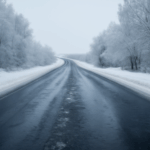
Black ice, also known as invisible ice, forms when rain, melting snow, or fog freezes on the road surface. Unlike regular ice, black ice takes on the appearance of the road underneath it, making it appear as though the pavement is simply wet rather than covered in ice. This makes it almost impossible to detect until a vehicle starts to slip. The most dangerous thing about black ice is that it can form without warning, particularly in shaded areas, overpasses, bridges, or regions where the road is colder than the surrounding area. As a result, drivers often fail to take necessary precautions when black ice is present, leading to accidents that could have been prevented.
It can occur at any time during the winter months when the temperature dips below freezing, but it is most common during early morning hours when the pavement is cooler, and temperatures are dropping overnight. Many people assume that if the road looks clear, it must be safe to drive, but that assumption can quickly prove to be deadly when black ice is involved.

Dan Ryan
Attorney


Elizabeth Fitzgerald
Attorney
Our objectives remain clear in every case we pursue: To give every client, without delay, excuse or equivocation, our full attention, sound advice and forceful representation.
About Our FirmHow Black Ice Contributes to Car Accidents
The danger posed by black ice cannot be overstated. Since it is invisible, drivers are often unaware that they are driving on hazardous terrain until it’s too late. Here are some ways black ice can cause accidents:- Sudden Loss of Traction: When vehicles drive over black ice, they lose their grip on the road. The tires can’t grip the ice, causing the vehicle to slide uncontrollably. This is especially true when the vehicle is traveling at higher speeds or trying to make a sharp turn.
- Increased Risk of Skidding: Even if drivers are aware of icy conditions, black ice can cause a sudden skid, especially if drivers attempt to break or steer too aggressively. Black ice can make it difficult to maintain control of the vehicle, and a slight turn of the wheel could send the car into a dangerous spin.
- Unexpected Speed Loss: When driving on black ice, a driver may not realize that the vehicle is losing speed because the traction is slipping. Without immediate correction, this can lead to dangerous rear-end collisions or swerving into oncoming traffic.
- Braking and Stopping Challenges: Applying the brakes on black ice can often make the vehicle slide rather than stop. This can result in a vehicle continuing to travel at a dangerous speed even when the driver is attempting to slow down or stop, making rear-end accidents and other crashes more likely.
- Poor Visibility: The very nature of black ice, being clear and often blending with the road, means it’s hard to spot. If the road is wet and there’s a layer of black ice on top, drivers may not be aware until they have already lost control. This causes a delayed reaction time for the driver and increases the chances of accidents, especially on highways.

The attorneys at Ryan Injury Lawyers treat you like family. They are extremely professional, kind, respectful and intelligently know the law. Highly recommend. They are well above par.
- Zora S.

Great service and very professional. They actually make themselves available when you call. I will be referring Ryan to all of my friends and colleagues.
- Lashawn H.
Key Conditions That Contribute to Black Ice Formation
Certain conditions are more likely to foster the development of black ice. Understanding these can help drivers prepare for the dangers it poses:- Temperature: Black ice typically forms when temperatures are at or below freezing. If there is moisture on the road due to rain or melting snow, the water will freeze quickly when temperatures dip, creating the thin, transparent ice layer.
- Shaded Areas and Overpasses: Bridges, overpasses, and areas that are shaded by trees or buildings are more likely to experience black ice formation. These areas cool faster than roads exposed to the sun, allowing ice to form even if the surrounding roads are clear.
- Rain and Freezing Conditions: Rain that falls in temperatures just above freezing can quickly freeze on contact with cold pavement. This creates a thin layer of ice that is difficult to see, making driving hazardous, even on roads that seem dry.
- Frost or Light Snowfall: Even a light dusting of snow can create black ice, especially when followed by a drop in temperature. In these conditions, it’s difficult to know where the road has frozen and where it remains clear.
What to Do If You’re Involved in a Crash Due to Black Ice
Being involved in a car accident caused by black ice can be both a physically and emotionally draining experience. However, there are critical steps to take to ensure that you protect your rights and receive fair compensation for any damages or injuries. Here’s what victims should know:- Seek Immediate Medical Attention: Even if you feel fine, it’s crucial to see a doctor. Injuries caused by black ice accidents, like whiplash, back, neck, and head injuries, can appear much later. A medical evaluation will also document any injuries, which can be useful in any claims or lawsuits.
- Gather Evidence from the Scene: Take photos of the accident scene, including the surrounding road conditions and weather. If possible, capture the state of the road to demonstrate that black ice was a factor. Additionally, gather contact information from witnesses who can verify that black ice contributed to the crash.
- Report the Accident to the Authorities: Always report an accident to the police, even if it seems minor. A police report provides valuable documentation for your insurance claim and potential legal action. The police can also assess the road conditions and determine whether black ice was a contributing factor.
- Consult a Personal Injury Lawyer: An experienced lawyer specializing in car accidents can help you navigate the legal complexities of filing a claim. Black ice accidents can involve complex liability issues, particularly if road maintenance or lack of warning signs is a factor. A lawyer can help you determine fault and secure compensation for medical expenses, lost wages, and other damages.
- File Your Insurance Claim: Contact your insurance company promptly to report the accident. Be prepared to provide details about the conditions at the time of the crash, including the presence of black ice. Your insurer may also send an adjuster to inspect the accident scene to determine the cause of the crash.
Preventing Accidents Caused by Black Ice
Although black ice can be tricky to avoid, there are several steps you can take to minimize the risk:- Slow Down: Always reduce your speed when driving in cold weather or when precipitation is expected. Slower speeds allow more time for you to react to sudden changes in road conditions.
- Increase Following Distance: Leave extra space between your vehicle and the one in front of you. This gives you more time to react if the vehicle ahead suddenly loses control due to black ice.
- Be Cautious at Night and Early Morning: These are the times when black ice is most likely to form. The colder temperatures overnight create the perfect conditions for black ice to develop, especially on bridges and overpasses.
- Monitor Weather and Road Conditions: Always check the weather forecast before heading out, especially during the winter months. Pay attention to alerts about freezing temperatures and road conditions that may be prone to black ice formation.