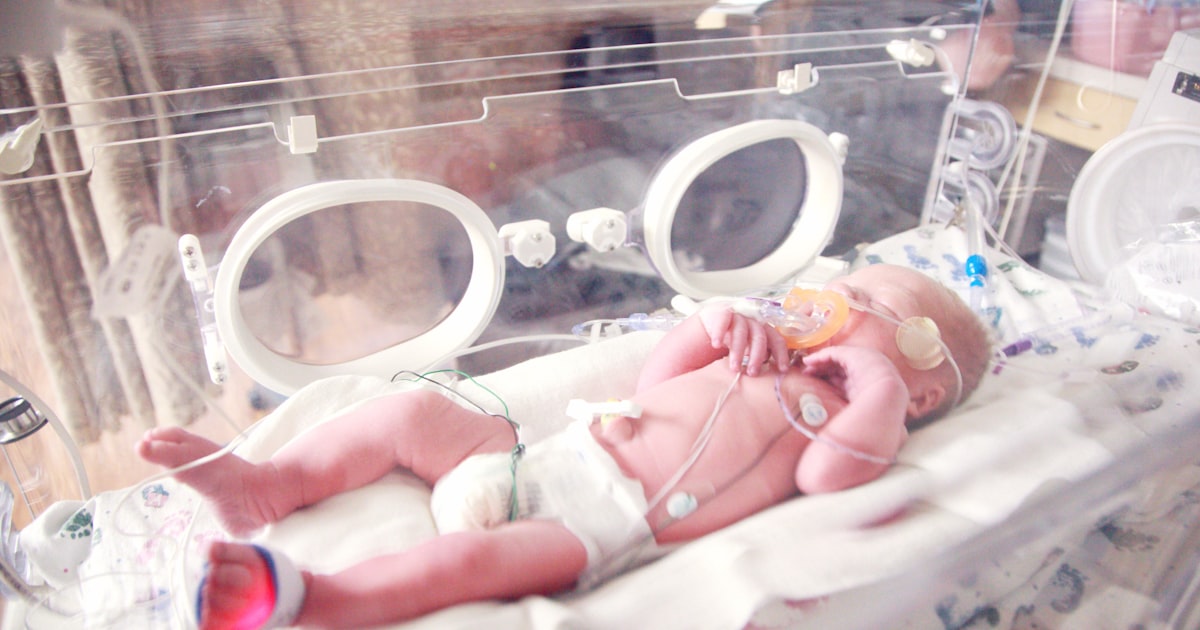

Few moments carry more hope than the birth of a child. When something goes wrong during pregnancy, labor, or delivery at a Cleveland hospital, that hope can turn into fear and a long list of unanswered questions. If your baby suffered a serious injury and you believe a doctor, nurse, or hospital may have been negligent, Ohio law gives your family important rights. This guide explains how birth injury claims work under Ohio medical malpractice law, the deadlines that apply, and the compensation that may be available.
Cerebral palsy, one of the conditions most often linked to birth-related negligence, affects roughly 1.5 to 4 children per 1,000 births nationally, according to the CDC. Not every case is caused by malpractice. Many are not. But when a preventable error during delivery causes lasting harm, families deserve answers, and they deserve a clear path to the resources their child will need for a lifetime.
What Counts as a Birth Injury in Ohio
A birth injury is harm to a baby (or sometimes the mother) that results from the care provided before, during, or shortly after delivery. These claims fall under Ohio medical malpractice law, also called a "medical claim," because they involve the conduct of healthcare providers. Cleveland is home to nationally respected hospitals, including the Cleveland Clinic, University Hospitals Rainbow Babies and Children's Hospital, and MetroHealth Medical Center, and most deliveries go smoothly. When they do not, the question is whether the care met the accepted medical standard.
Common birth injuries linked to negligence
Some injuries are temporary, while others are permanent and life altering. Conditions families ask us about include: oxygen deprivation (hypoxic-ischemic encephalopathy) leading to brain damage; cerebral palsy; Erb's palsy and other brachial plexus injuries affecting the arm; skull fractures or bleeding from improper use of forceps or a vacuum extractor; and untreated maternal infections or preeclampsia that harm the baby. A delay in ordering a medically necessary cesarean section is one of the most common issues we see.
Proving Negligence: The Standard of Care
Not every poor outcome is malpractice. To bring a successful claim in Ohio, your family generally must show four things: that the provider owed a duty of care, that the provider breached the accepted standard of care, that the breach caused the injury, and that the injury produced real damages. The standard of care is what a reasonably careful provider in the same specialty would have done under similar circumstances.
Because these questions are medical, Ohio law requires expert support. Under Ohio Civil Rule 10(D)(2), a medical malpractice complaint must be filed with an affidavit of merit. That is a sworn statement from a qualified healthcare professional confirming that the records were reviewed and that there appears to be a breach of the standard of care that caused injury. Without it, a birth injury case can be dismissed. This is one reason that experienced counsel and the right medical experts matter so much from the very beginning.
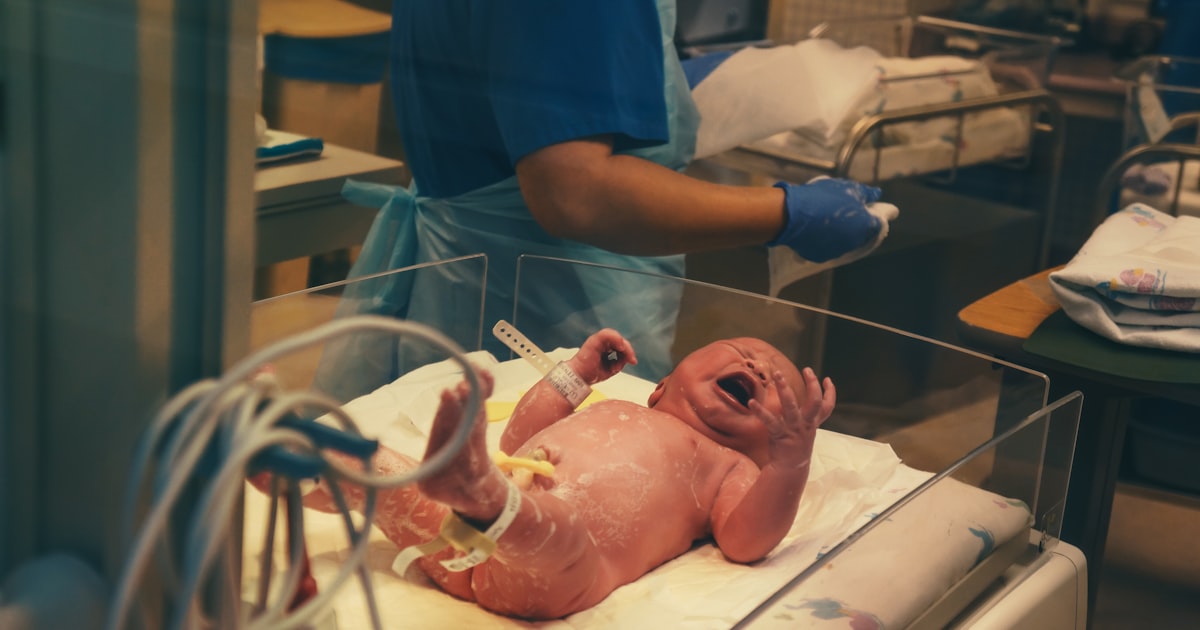
Deadlines: Ohio's Statute of Limitations and Repose
Timing is one of the most confusing and most important parts of any birth injury case. Ohio's medical claim statute of limitations, found at R.C. 2305.113, generally gives an adult one year from the date the claim arises or is discovered to file suit. A written pre-suit notice sent to the provider can extend that period by 180 days under R.C. 2305.113(B). There is also a statute of repose that generally bars most medical claims four years after the act or omission, regardless of when the harm is discovered.
How the rules change for a child
Children are treated differently. Under Ohio's minority tolling statute, R.C. 2305.16, a child is considered to be under a legal disability, which can pause the clock until the child reaches adulthood. In many cases, that means the one-year period does not begin until the child turns 18, giving the young adult until roughly their nineteenth birthday to file. There is an additional wrinkle for very young children: when the negligent act occurs before a child turns six, the four-year repose period can extend to the child's sixth birthday if that date falls later. The diagram below shows the general shape of this timeline.
Please read these dates as a starting point, not a guarantee. The interaction between minority tolling and the statute of repose has been the subject of significant litigation in Ohio, and the outcome can depend on the specific facts of your case. The safest course is simple: speak with a lawyer as soon as you suspect something went wrong. Waiting can cost a family the right to recover anything at all.
Compensation Available to Ohio Families
A birth injury can reshape a family's entire future. Ohio law allows recovery for economic damages, which include lifelong medical care, therapy, assistive equipment, home modifications, special education, and lost earning capacity. Families may also recover noneconomic damages for pain, suffering, and loss of the life the child should have had.
Ohio caps many noneconomic damages under R.C. 2315.18, generally at the greater of 250,000 dollars or three times the economic damages, up to 350,000 dollars per plaintiff and 500,000 dollars per occurrence. Importantly, that cap does not apply to catastrophic injuries. R.C. 2315.18(B)(3) removes the cap when the harm involves permanent and substantial physical deformity, loss of use of a limb, loss of a bodily organ system, or a permanent physical functional injury that prevents a person from caring for themselves independently. Many severe birth injuries, including significant cerebral palsy, fall within these categories, which is why a careful, well-supported damages analysis is so important.

What to Do If You Suspect a Birth Injury
If you believe your child was harmed by negligent care at a Cleveland-area hospital, a few early steps can protect your family. Request complete copies of the medical records for the mother and baby, including fetal monitoring strips. Write down your memory of what happened while it is fresh. Keep a file of every provider, bill, and diagnosis. Avoid signing documents from a hospital or insurer before you understand them. And reach out to an attorney who handles birth injury cases, because these claims require medical experts and a thorough review of the records to evaluate.
You do not need to have all the answers before you call. A good birth injury lawyer will help you gather the records, arrange the expert review, and explain honestly whether the facts support a claim. The goal is never to second-guess every hard delivery. It is to find out whether a preventable error caused your child's injury, and if it did, to secure the lifetime of support your child deserves.
Related reading: Cleveland medical malpractice lawyers, Cleveland brain injury lawyers, and Cleveland wrongful death lawyers.
Frequently Asked Questions
How long do I have to file a birth injury claim in Ohio?
Is every birth complication considered medical malpractice?
What is an affidavit of merit and why does it matter?
Are damages in a birth injury case capped in Ohio?
How much does it cost to hire a Cleveland birth injury lawyer?
What records should I gather if I suspect a birth injury?
Talk With a Cleveland Birth Injury Lawyer
If your family is facing the aftermath of a birth injury, you do not have to navigate it alone. Our founding attorney, Daniel J. Ryan, and the team at Ryan Injury Attorneys offer a free, no-pressure consultation to review what happened and explain your options under Ohio law. There is no fee unless we recover for you. Call (216) 777-RYAN or contact us online today. To learn more about how we handle these claims, visit our Cleveland medical malpractice team or read about Daniel J. Ryan.