
The Importance of Witness Statements in Car Accident Claims 
After a car accident, multiple factors come into play when determining the outcome of a claim. While physical evidence such as photos, medical records, and police reports help establish the facts, witness statements provide an external perspective that can often make or break your case. These statements are crucial because they offer an objective viewpoint that could either confirm your version of the accident or contradict it. At Ryan Injury Attorneys, we understand how important witness testimony can be in proving your case and securing the compensation you deserve.
Witnesses often provide the clearest recollections of events that can seem confusing or contradictory to the people involved in the accident. They give voice to what happened when you or the other driver might have conflicting stories. This is why witness statements are often one of the most valuable assets in determining who is at fault in a car accident.
Why Witness Testimonies Are So Valuable
- Unbiased Account: Unlike the drivers or passengers involved in the accident, witnesses have no personal stake in the outcome of the case. Their accounts are usually more objective, making them more credible in the eyes of the court or insurance companies.
- Support for Your Version of Events: If you’re involved in a car accident and there is any dispute over the facts—such as who had the right of way or how the accident occurred—witness statements can corroborate your story and help clarify the details.
- Legal Credibility: Courts and insurance adjusters tend to give significant weight to witness testimonies, especially if the witness is independent, credible, and provides a consistent statement. Having someone who can support your claim strengthens your position.
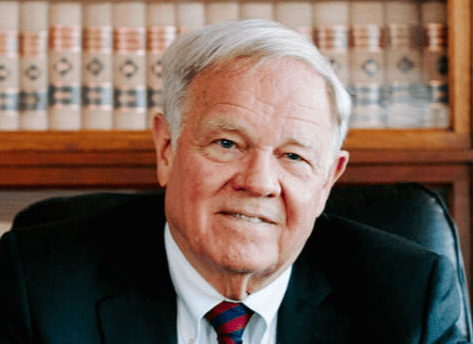
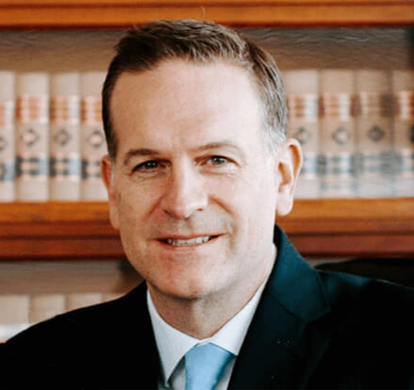
Dan Ryan
Attorney

Elizabeth Fitzgerald
Attorney
Our objectives remain clear in every case we pursue: To give every client, without delay, excuse or equivocation, our full attention, sound advice and forceful representation.
About Our FirmWhat Makes a Strong Witness Statement?
While not all witness statements are created equal, the strongest ones contain certain elements that make them more credible and impactful in your case. Here’s what you should look for:- Clarity and Detail: The witness statement should be clear and detailed, including specific facts about the accident. Vague statements will not hold up as well as precise accounts that give a clear picture of the events.
- Consistency: A strong witness statement will remain consistent over time. If a witness gives multiple accounts, it is important that they stay the same, even if they are asked to recall details months later. Inconsistent statements can undermine the credibility of the witness.
- Specifics: Strong witness statements often mention important details such as the location of the accident, the weather conditions, the time of day, and even the behavior of the drivers before the accident. These specifics can often help clarify critical issues like whether the driver was speeding, distracted, or under the influence.

The attorneys at Ryan Injury Lawyers treat you like family. They are extremely professional, kind, respectful and intelligently know the law. Highly recommend. They are well above par.
- Zora S.

Great service and very professional. They actually make themselves available when you call. I will be referring Ryan to all of my friends and colleagues.
- Lashawn H.
How a Weak Witness Statement Can Hurt Your Case
While witness statements can be invaluable, a weak or unreliable statement can hurt your claim. Here are a few things that can weaken the credibility of a witness:- Lack of Detail: A witness who only provides vague information—such as “I saw a car hit another car” without specifics about the conditions or actions leading up to the collision—offers little support for your case.
- Inconsistent Statements: If a witness changes their story or gives conflicting accounts, it can raise doubts about their reliability. This is especially problematic if the witness is asked to testify in court and their story doesn’t match what they previously stated.
- Bias or Relationship with the Parties Involved: If the witness has a personal connection to one of the involved parties, their testimony may be seen as biased. This could be a family member, close friend, or even a coworker.
How to Make the Most of a Witness Statement
Once you have a reliable witness, it’s crucial to take steps to ensure their statement has the most impact possible on your case. Here’s how to maximize its potential:- Get Information Quickly: Witnesses’ memories fade over time. That’s why it’s important to collect witness statements as soon as possible after the accident. The sooner you speak to them, the more accurate their recollection will be.
- Gather Contact Details: Always ask for the witness’s full name, address, phone number, and any other relevant contact information. This ensures you can reach out to them if necessary for follow-up or if they are needed in court.
- Consult an Attorney: A lawyer can help you assess the value of a witness’s statement. They can also guide you on how to use that statement in your case, whether it’s through settlement negotiations or by preparing the witness for trial.
Challenges with Witnesses and How to Overcome Them
It’s not always easy to rely on witness statements in car accident claims. In many cases, witnesses may be hard to track down or may become unavailable as time passes. Here are some common challenges and how to overcome them:- Witness Unavailability: People move, change phone numbers, or lose interest in your case. If you suspect a witness may not be available later, try to get their statement on the record quickly, even before you file a formal claim.
- Witness Refusing to Testify: Sometimes, witnesses simply don’t want to get involved. While you can’t force someone to testify, you can encourage them by explaining how important their testimony is to ensuring a fair outcome.
- Witnesses Changing Their Statements: It’s possible for a witness to change their story after some time has passed. A lawyer can help mitigate this by gathering recorded statements early on and working to get a consistent narrative.