
The Purpose of Road Shoulders 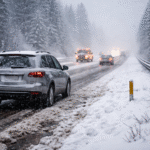
Road shoulders serve an essential purpose for drivers. When you’re driving on highways, especially in fast-moving traffic, a shoulder is often your first line of defense in an emergency. Shoulders are designed to offer a space for vehicles to pull over safely when something goes wrong. Whether it’s a breakdown, a flat tire, or a sudden medical emergency, these zones help minimize the risk of further accidents by providing a safe, designated area for drivers to stop.
In most cases, these pull-off areas act as a refuge, allowing you to get your vehicle off the main road while keeping traffic flow uninterrupted. Ideally, these spaces are also used for emergency vehicles and services to pull over when assisting drivers in distress. However, despite their design and purpose, road shoulders, particularly in winter conditions, can quickly become a zone of danger.
Why Road Shoulders Become Hazardous in Winter
During the winter months, several environmental factors contribute to the transformation of road shoulders from safe spaces into potential crash zones:- Snow and Ice Build-Up Winter weather creates one of the most significant hazards for road shoulders. As snow and ice accumulate on the side of the road, it becomes challenging to differentiate between the shoulder and the actual lane. This leads to drivers misjudging their space and accidentally driving onto a snow-covered shoulder that could be much narrower than expected. Ice buildup makes it even more difficult for drivers to get traction when they need to stop.
- Limited Visibility Heavy snowfall or even fog can significantly reduce visibility. When snow piles up along the shoulder or in a storm, it’s hard for drivers to spot a safe area to pull over. In addition, even if a shoulder is visible, the reduced visibility in snowy or icy conditions increases the chances that a driver might miss it entirely. If they are forced to stop, they could be at risk of being struck by other vehicles.
- Unpredictable Surfaces The road shoulder is not always as well-maintained as the road itself. Winter conditions can cause shoulders to become icy or have uneven surfaces due to snowmelt runoff, potholes, or patches of gravel. These unpredictable surfaces make stopping on the shoulder much more dangerous. While drivers may think they are pulling off into a safe area, the shoulder can quickly become slippery, especially if it hasn’t been plowed or salted.

Dan Ryan
Attorney


Elizabeth Fitzgerald
Attorney
Our objectives remain clear in every case we pursue: To give every client, without delay, excuse or equivocation, our full attention, sound advice and forceful representation.
About Our FirmTypes of Accidents on Winter Road Shoulders
When winter conditions affect road shoulders, a variety of accidents are more likely to occur:- Rear-End Collisions A common accident scenario in winter is when a vehicle slows down or pulls over to the shoulder to avoid an obstacle or to rest. Other drivers may not anticipate such maneuvers and may not slow down in time, leading to rear-end collisions. In icy conditions, this risk is amplified, as vehicles are less able to stop quickly or safely.
- Stranded Vehicles Winter storms and freezing temperatures often result in vehicles breaking down unexpectedly. This is especially true when roads are icy or snow-covered. A driver might pull off to the shoulder for safety, but the vehicle may get stuck in snow or ice. Unfortunately, other drivers may not see the hazard until it’s too late, especially if there is poor visibility, leading to collisions.
- Improperly Parked Vehicles In an attempt to avoid traffic or take a quick break, some drivers may pull off onto the shoulder, but they fail to park properly. Vehicles that are parked too far into the shoulder or positioned awkwardly can cause serious problems for other drivers, particularly when visibility is low or the shoulder is narrow. If another vehicle swerves to avoid a parked car, it can lead to dangerous accidents.

The attorneys at Ryan Injury Lawyers treat you like family. They are extremely professional, kind, respectful and intelligently know the law. Highly recommend. They are well above par.
- Zora S.

Great service and very professional. They actually make themselves available when you call. I will be referring Ryan to all of my friends and colleagues.
- Lashawn H.
The Role of Road Design in Winter Safety
While road shoulders are designed to provide safety, poor maintenance, and lack of proper design in some areas can exacerbate winter dangers. For instance, some highways have narrow shoulders with steep embankments, which are already risky enough in normal conditions. During winter, these shoulders may not be adequately cleared of snow or salt, rendering them hazardous. In many rural areas, road shoulders may not be plowed as quickly or frequently as the roads themselves. In these cases, snowdrifts can easily block off the shoulder, and vehicles attempting to pull over may get stuck. Road authorities need to prioritize shoulder maintenance during the winter months to prevent these hazards. Without timely snow and ice removal, the road shoulders can become more dangerous than the main roads themselves.How to Stay Safe When Driving Near Road Shoulders
Although driving near road shoulders during winter conditions can be risky, there are ways to minimize the potential danger:- Reduce Speed One of the best ways to stay safe when traveling in winter conditions is to slow down. Lower speeds give you more time to react if you need to pull over or if an obstacle appears. When approaching a road shoulder, especially on icy or snowy roads, reducing your speed can prevent accidents caused by sudden stopping or swerving.
- Use Hazard Lights If you need to pull off to the shoulder, turn on your hazard lights well before you move over. This lets other drivers know you’re stopping and gives them ample time to adjust their speed. Hazard lights are particularly crucial when visibility is low, such as in snow or fog.
- Avoid Stopping in High-Traffic Areas While it’s essential to use the shoulder in an emergency, if possible, try to avoid stopping in areas where other drivers may be close behind you. Ideally, try to pull over in less trafficked areas. If the shoulder is too narrow or unsafe, consider finding a nearby exit to pull off the highway entirely.
- Stay in Your Vehicle if Stuck
If your vehicle gets stuck in snow or ice, stay inside until help arrives. Don’t try to walk along the icy shoulder, as it could put you at risk of getting struck by other vehicles or slipping on the icy surface.